Cover Letter Essentials for Business Success
In today’s competitive job market, a well-crafted cover letter is more critical than ever. It serves as your initial introduction to a potential employer, providing an opportunity to showcase your personality, skills, and enthusiasm beyond what’s listed on your resume. A strong cover letter can significantly increase your chances of landing an interview and ultimately, your dream job. This guide will walk you through the essential elements of writing a cover letter that grabs attention and makes you stand out from the competition. Mastering this skill is a key component of your business success.
Understanding the Purpose of a Cover Letter
The primary goal of a cover letter is to persuade the hiring manager to read your resume and consider you for the position. It’s your chance to tell a story, explain why you’re a perfect fit for the role, and highlight your relevant experience and skills. Think of it as a personalized sales pitch, where you’re selling yourself to the employer. A cover letter should demonstrate your understanding of the company, the job requirements, and how you can contribute to their success. It’s also an opportunity to show your communication skills, attention to detail, and professionalism.
Why Cover Letters Are Still Important

Despite the rise of online applications, cover letters remain a vital part of the job application process. They provide context to your resume, allowing you to elaborate on your accomplishments and connect them to the specific job requirements. Cover letters also give you a platform to demonstrate your writing skills, which is especially important for roles that involve communication. A well-written cover letter shows that you’ve put in the effort to understand the company and the position, making a strong impression on the hiring manager. Cover letters are an essential component in getting your foot in the door.
Key Components of a Winning Cover Letter
A winning cover letter consists of several key components that work together to create a compelling narrative. Each section plays a crucial role in conveying your qualifications and enthusiasm. From the opening to the closing, every word should be carefully chosen to leave a lasting impression. Remember to keep it concise, professional, and tailored to the specific job you’re applying for. Focus on what the employer is looking for and how you can help them achieve their goals. A good cover letter is the difference between a simple application and a chance to succeed in the business world.
Contact Information and Salutation
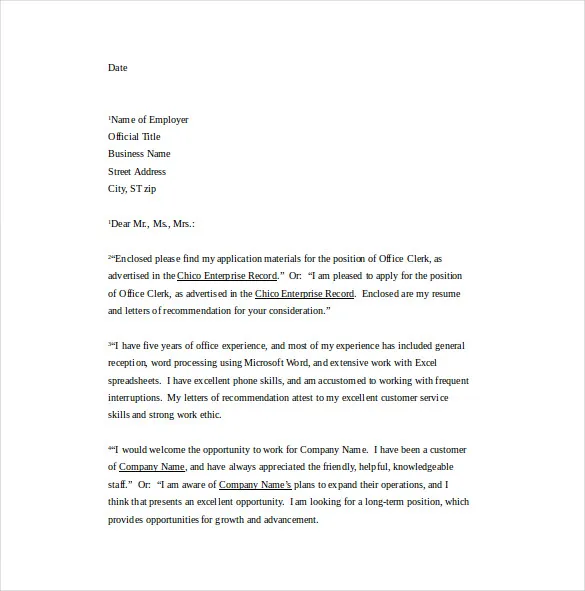
Start with your contact information (name, phone number, email, and LinkedIn profile URL) at the top. Then, address the hiring manager or the specific person listed in the job posting. If you can’t find a name, use a professional salutation like “Dear Hiring Manager.” Avoid generic greetings like “To Whom It May Concern.” This shows you’ve done your research and shows attention to detail. Make sure your contact information is accurate and professional. Double-check the spelling of the recipient’s name and company name.
Crafting a Compelling Opening Paragraph

Your opening paragraph is your first chance to grab the reader’s attention. Start with a strong hook that clearly states the position you’re applying for and where you saw it. Then, immediately highlight your key skills or a significant achievement that aligns with the job requirements. Show your enthusiasm and make it clear why you’re interested in the company and the role. This sets the tone for the rest of your letter. Make the first few lines of the cover letter count to have a good start. An intriguing beginning will make the reader want to learn more about you.
Highlighting Relevant Skills and Experience
The main body of your cover letter is where you demonstrate how your skills and experience match the job requirements. Read the job description carefully and identify the key qualifications the employer is seeking. Then, select relevant experiences from your resume and elaborate on them, providing specific examples of how you’ve used those skills and achieved results. Use action verbs to describe your accomplishments and quantify your achievements whenever possible. Tailor your content to fit the specific company and position.
Quantifying Your Achievements
Whenever possible, quantify your achievements to demonstrate your impact. Instead of saying “Improved sales,” say “Increased sales by 15% in six months.” Using numbers and metrics makes your accomplishments more concrete and credible. Provide specific examples of your achievements. This allows the hiring manager to assess your contribution to your previous company. This information is often critical in determining your success at this company.
Tailoring Your Cover Letter to the Job

Customize each cover letter for the specific job you’re applying for. Research the company and the role to understand their needs and priorities. Avoid using a generic cover letter; it’s crucial to show the employer that you’ve taken the time to understand their requirements and how you can contribute. Refer to the job description and highlight the skills and experiences that are most relevant. By adapting your cover letter, you will leave a much stronger impression.
Expressing Your Enthusiasm and Fit
Show your genuine enthusiasm for the company and the position. Explain why you’re interested in working there and what excites you about the opportunity. Research the company’s mission, values, and recent projects, and mention something that resonates with you. Demonstrate your understanding of the company culture and how you believe you would fit in. Express your desire to contribute to their success. Your passion can be a significant factor in landing a job.
Closing the Letter and Call to Action
In your closing paragraph, reiterate your interest in the position and express your confidence that you’re a good fit. Thank the hiring manager for their time and consideration. Include a clear call to action, such as “I look forward to the opportunity to discuss my qualifications in an interview” or “I am eager to learn more about this exciting opportunity.” Provide your contact information again. End with a professional closing such as “Sincerely” or “Best regards,” followed by your name.
Formatting and Presentation for Maximum Impact

The appearance of your cover letter is just as important as its content. It should be clean, professional, and easy to read. Use a standard font, such as Times New Roman, Arial, or Calibri, and ensure the font size is between 10 and 12 points. Use consistent spacing and formatting throughout the document. Keep your paragraphs concise, with short sentences and avoid using jargon. A well-formatted cover letter shows attention to detail and professionalism. Good formatting can make the letter appear much more polished.
Choosing the Right Font and Layout
Select a professional and readable font, and use a clear, organized layout. Avoid using overly decorative fonts or a cluttered design. Use white space effectively to separate sections and make the content easier to digest. Keep the margins at a standard size (1 inch is usually recommended). The layout should be clean and balanced, with appropriate spacing between paragraphs and sections. A well-formatted document reflects your professionalism. Always keep in mind who the audience is.
Proofreading and Editing Your Cover Letter
Proofread your cover letter carefully for any grammatical errors, spelling mistakes, or typos. A single error can undermine your credibility. Read your cover letter aloud to catch any awkward phrasing or inconsistencies. Ask a friend or family member to review it as a second pair of eyes to provide feedback. Ensure that your cover letter is free of errors and has a professional tone. Double-check all names, dates, and contact information. Proofreading is an extremely crucial step in the cover letter writing process.
Avoiding Common Cover Letter Mistakes

There are several common mistakes to avoid when writing a cover letter. These errors can significantly reduce your chances of getting an interview. By knowing what to avoid, you can ensure your cover letter is effective. Always check for these mistakes to make a great first impression.
Generic and Uninspired Content
Avoid using a generic cover letter template. Instead, customize your letter to each specific job. A generic cover letter shows a lack of interest and effort. Make sure your letter reflects your unique skills, experiences, and passion. Be specific and provide examples to support your claims. A personalized cover letter demonstrates your initiative and genuine interest in the position.
Focusing on Yourself Instead of the Employer
While it’s important to highlight your skills and experience, don’t make your cover letter all about yourself. Instead, focus on how you can contribute to the employer’s needs and goals. Show them what you can do for them. Frame your achievements in terms of the benefits you brought to previous employers. Explain how you can solve their problems or help them achieve their objectives. A cover letter should demonstrate how your skills and experience align with the needs of the employer.
Ignoring the Job Description

Carefully read the job description and tailor your cover letter to address the specific requirements listed. Failing to do so shows that you haven’t taken the time to understand the role. Identify the key skills and experiences the employer is seeking, and highlight them in your letter. Use the same keywords and phrases that are used in the job description. Address all the requirements. Show how your skills and experiences are a perfect match for the role.
Cover Letter Template Examples
Reviewing various cover letter template examples can provide you with valuable insights. You can understand the structure, format, and language used in effective cover letters. You can learn how to highlight your skills and experiences effectively and how to tailor your letter to the specific job requirements. You can also identify different types of cover letters based on the job level and company. The right template can help you get a job interview.
Business Cover Letter Template
A business cover letter should be concise, professional, and tailored to the specific job. It should include the company’s contact information, your contact information, a professional salutation, a clear opening paragraph, a summary of your skills and experience, a closing paragraph that expresses your interest, and a professional closing. Make sure that you highlight your accomplishments and skills, and provide relevant details about how your skills align with the job requirements. Using a business cover letter template will simplify the writing process.
Cover Letter for Entry-Level Positions

When writing a cover letter for entry-level positions, focus on your relevant skills, education, and any relevant experiences. Highlight your transferable skills, like communication, teamwork, and problem-solving. Even if you don’t have much work experience, you can highlight your academic achievements, volunteer work, or internships. Show your enthusiasm and eagerness to learn. Make sure you address the hiring manager correctly. Also, write a strong closing paragraph. This cover letter type aims to demonstrate your potential and fit within the company.
Cover Letter for Management Roles
A cover letter for management roles should highlight your leadership skills, accomplishments, and experience. Demonstrate your ability to lead a team, manage projects, and achieve results. Include specific examples of your leadership experience. Highlight your successes in previous management roles. Use action verbs to describe your accomplishments. Make sure that you customize your cover letter to the specific job requirements. This type of cover letter will show the hiring manager that you have leadership qualities.
Writing a winning cover letter is an essential skill for anyone seeking a job. By following the guidelines outlined in this guide, you can create a compelling cover letter that grabs attention, highlights your qualifications, and increases your chances of landing an interview. Remember to tailor your cover letter to each job, proofread carefully, and showcase your enthusiasm. Good luck with your job search!