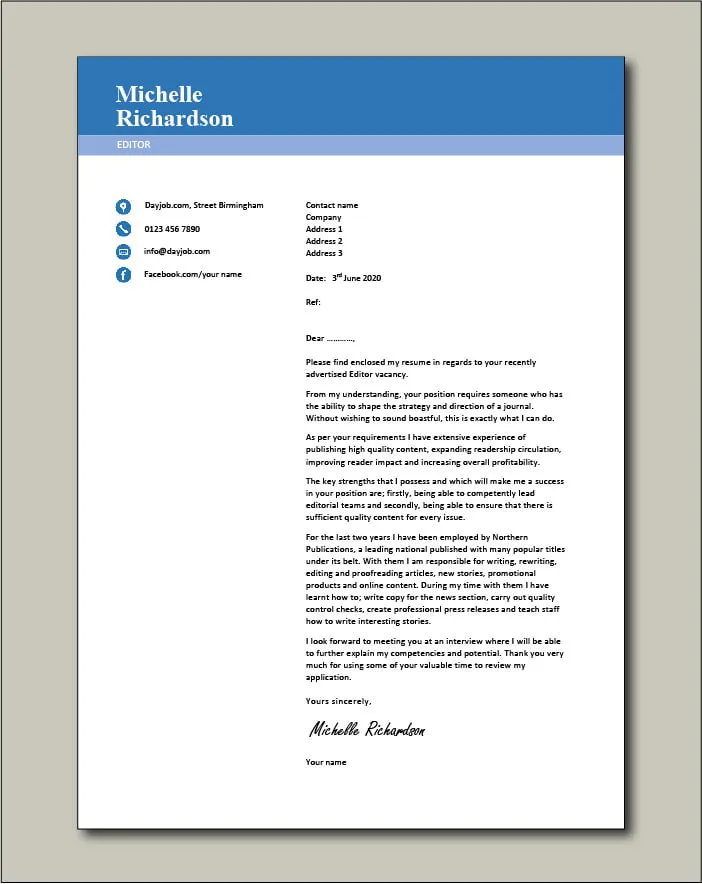
Crafting a compelling cover letter is your first step towards landing your dream editorial role. It’s more than just a formality; it’s your opportunity to make a lasting impression, showcase your unique skills, and demonstrate your passion for the publication. This guide offers top tips to help you write a cover letter that not only gets noticed but also wins you an interview.
Cover Letter Essentials Know the Basics
Before diving into the specifics, it’s crucial to grasp the fundamentals. A cover letter is a formal document that accompanies your resume, introducing you to the hiring manager. It’s a chance to elaborate on your qualifications, articulate your interest in the position, and explain why you’re the ideal candidate. It should always be tailored to the specific role and publication.
Understanding the Purpose of a Cover Letter
The primary purpose of a cover letter is to provide context to your resume. It allows you to tell your story, connecting your skills and experience to the needs of the publication. It’s your chance to express your enthusiasm, demonstrate your knowledge, and make a personal connection with the editor. It showcases your writing ability, personality, and understanding of the editorial landscape. It should immediately highlight your interest and your qualifications for the role you are applying for.
Why Cover Letters Matter in Editorial Applications

In the editorial world, where clear and concise communication is paramount, a well-written cover letter is essential. It demonstrates your writing skills, attention to detail, and ability to tailor your message. Editors often use cover letters to assess your understanding of their publication, your ability to articulate your ideas, and your overall suitability for the role. It is a critical first step to make sure you stand out from the competition.
Key Components of a Winning Cover Letter
A winning cover letter typically includes a compelling opening, a well-structured middle section highlighting your relevant experience and skills, and a powerful closing. You should also provide your contact information and express your enthusiasm for the opportunity. Remember to tailor each component to the specific publication and the role you’re applying for. Consider the specific requirements mentioned in the job description and adjust your letter accordingly.
Crafting a Compelling Opening Paragraph
Your opening paragraph is your first chance to capture the editor’s attention. It should immediately state the position you’re applying for and briefly explain why you’re interested. Consider mentioning how you discovered the opportunity and what specifically drew you to the publication. The opening needs to convey genuine enthusiasm and create a sense of intrigue, encouraging the reader to continue reading.
Highlighting Your Relevant Experience and Skills

The middle section is where you showcase your skills and experience. Focus on what makes you a good fit for the role. Describe your relevant experiences, emphasizing accomplishments and results. Tailor this section to the specific requirements of the job, highlighting skills and experiences that align with the publication’s needs. Avoid simply restating your resume; provide further context and elaborate on your contributions.
Showcasing Your Passion for the Publication
Editors seek individuals who are passionate about their publication. Show that you’ve read the publication, understand its mission, and appreciate its content. Mention specific articles or features that resonated with you, and explain how your skills and experience align with the publication’s goals. Demonstrating genuine enthusiasm can set you apart from other applicants.
Demonstrating Your Understanding of the Publication
Editors want to know that you understand their publication’s voice, audience, and editorial style. Show that you’ve done your research. Analyze the publication’s content, identify its target audience, and understand its unique selling points. Demonstrate your knowledge of the publication’s trends and topics, and explain how your skills can contribute to its success.
Tailoring Your Cover Letter to the Editor
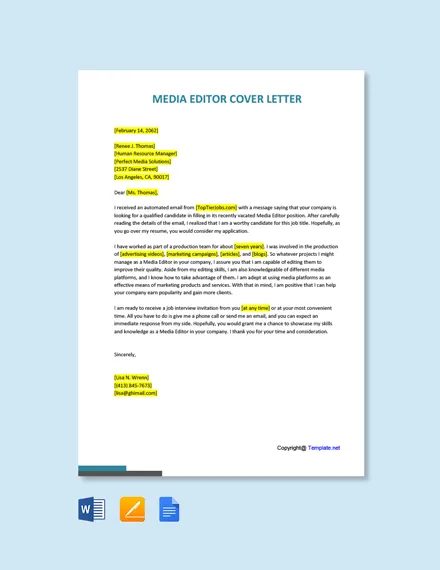
Personalization is key. If possible, address your letter to a specific editor or hiring manager. Research their name and title. Avoid generic greetings like “Dear Sir/Madam.” Referencing the editor by name shows that you’ve taken the time to research them and the publication. This level of detail demonstrates your commitment and attention to detail.
Researching the Editor and the Publication
Before you begin writing, take the time to thoroughly research both the editor and the publication. Explore the publication’s website, read recent articles, and analyze its content. Look up the editor’s background, social media profiles, and any published works. Understanding the editor’s interests and the publication’s priorities can inform your cover letter and make it more relevant and compelling.
Personalizing Your Cover Letter
Personalize your cover letter to stand out. Mention something specific that caught your eye about the publication or the editor. Refer to specific articles, projects, or initiatives that align with your skills and experience. This demonstrates that you’re not just sending a generic application; you’ve taken the time to understand the publication and its needs.
Structuring Your Cover Letter for Impact

Organize your cover letter with a clear and logical structure. Use headings and subheadings to break up the text and make it easy to read. Start with a strong opening, followed by a concise middle section highlighting your skills and experience, and conclude with a compelling closing. This structure guides the reader and helps you present your qualifications effectively.
Creating a Strong Middle Section
The middle section is the heart of your cover letter. Organize it logically, using paragraphs to highlight your most relevant skills and experiences. Connect your skills to the job requirements. Use specific examples to illustrate your accomplishments and the value you can bring to the publication. Demonstrate how your experience aligns with the publication’s needs.
Structuring Your Body Paragraphs Effectively
Each body paragraph should focus on a specific skill or experience. Start with a clear topic sentence that introduces the main point. Provide concrete examples to support your claims, and quantify your accomplishments whenever possible. Use action verbs to describe your responsibilities and contributions. Keep paragraphs concise and focused.
Using Action Verbs to Showcase Achievements

Action verbs bring your accomplishments to life. Use strong, active verbs to describe your responsibilities and contributions. Instead of saying “Responsible for writing articles,” say “Wrote compelling articles.” Action verbs demonstrate your capabilities and make your cover letter more dynamic and engaging. Examples are: managed, created, implemented, led, and achieved.
Quantifying Your Accomplishments
Whenever possible, quantify your achievements. Use numbers and data to demonstrate the impact of your work. Instead of saying “Improved website traffic,” say “Increased website traffic by 30%.” Quantifiable results provide concrete evidence of your skills and experience. Use metrics to showcase your successes.
Writing a Powerful Closing Paragraph
Your closing paragraph should reiterate your enthusiasm and summarize your key qualifications. Thank the editor for their time and consideration, and express your eagerness for an interview. Clearly state how you can be reached, and provide a call to action. Make it easy for the editor to contact you.
Expressing Your Enthusiasm and Next Steps

Conclude your cover letter by expressing your enthusiasm for the opportunity and reiterating your interest. Clearly state your availability for an interview and your preferred method of contact. Demonstrate your commitment to the role and the publication. Make it easy for the editor to take the next step.
Providing Contact Information and Call to Action
Include your contact information, including your phone number, email address, and any relevant social media profiles or portfolio links. Provide a clear call to action. State that you’re available for an interview and are excited to discuss how your skills and experience can contribute to the publication’s success.
Formatting and Proofreading Your Cover Letter
Before submitting your cover letter, ensure that it is well-formatted and free of errors. Poor formatting and grammatical errors can undermine your credibility and professionalism. Pay attention to the font, layout, and overall presentation of your letter.
Choosing a Professional Font and Layout

Select a professional font, such as Times New Roman, Arial, or Calibri. Ensure that the font size is easy to read (typically 11 or 12 points). Use a clean and uncluttered layout with clear margins and spacing. A well-formatted cover letter is easier to read and more visually appealing.
Proofreading for Errors in Grammar and Spelling
Proofread your cover letter carefully for any errors in grammar, spelling, and punctuation. Use a grammar checker, but also read your letter aloud to catch any mistakes. A flawless cover letter demonstrates your attention to detail and professionalism. A single error can create a bad impression.
Seeking Feedback and Refining Your Letter
Before submitting your cover letter, seek feedback from a trusted friend, mentor, or career counselor. Ask them to review your letter for clarity, conciseness, and impact. Incorporate their feedback to refine your letter and make it as compelling as possible. A second pair of eyes can help catch errors you might have missed.
Writing a winning cover letter is an art that requires careful planning, meticulous execution, and a genuine passion for the editorial world. By following these top tips, you can craft a cover letter that captures attention, highlights your unique skills, and helps you land that dream editorial role. Good luck!