Cover Letter Heading The Essentials
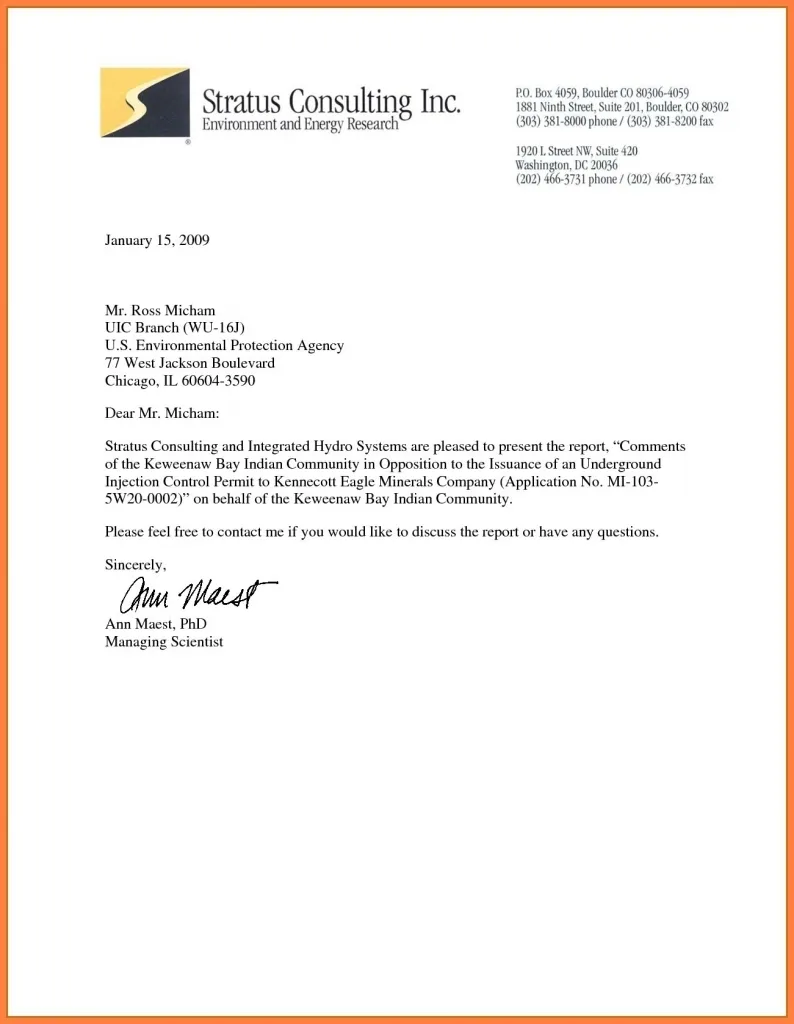
The cover letter heading is more than just an introduction; it’s your first impression, the initial handshake with a potential employer. A well-crafted heading sets the tone for the entire document, demonstrating professionalism, attention to detail, and respect for the recipient. It’s the foundation upon which you build your case for why you’re the ideal candidate. Neglecting this critical component can undermine your chances before the hiring manager even reads the first line of your letter. The heading is a compact summary of who you are, how to reach you, and to whom you’re addressing the letter. This section must be concise, accurate, and easy to find, helping recruiters quickly understand the context of your application. Your goal is to show that you care about the small things.
Your Contact Information
Start with your own contact details. This should include your full name, address, phone number, and email address. This information should be placed at the very top, usually left-aligned. Ensure all details are current and accurate. A misplaced digit or an outdated email can mean your application is ignored. Your name should stand out, perhaps slightly larger or in a bolder font than the rest of the text in this section. This immediately identifies the sender. Remember, clarity and professionalism are key. It’s important to make it easy for a recruiter to quickly reach you if they are interested.
Formatting Your Contact Information

Use a clean, legible font, such as Times New Roman, Arial, or Calibri, and a font size between 10 and 12 points. The format should be consistent, and the layout should be visually appealing. Avoid cluttering the space. The most common format is to place your name on the first line, followed by your address, phone number, and email address, each on a separate line. Ensure the information is properly aligned, either left or right, but be consistent throughout the entire document. Check for typos; a simple error here can lead to your application being discarded, as attention to detail is a crucial quality. Make sure the information is correctly formatted.
Date and Time Formatting
Below your contact information, include the date. Use a formal date format, such as Month Day, Year (e.g., July 20, 2024). Avoid using numerical formats like 07/20/2024 as these can be interpreted differently depending on the country. Place the date either left-aligned or right-aligned, depending on the overall layout of your cover letter. There is no need to include the time, as it is an unnecessary detail. If you are sending your cover letter electronically, it’s fine to use the current date. This helps the recruiter understand the context of your application. This shows the recruiter when the cover letter was written.
Recipient’s Contact Information
Next, include the recipient’s contact information. This should be the name of the hiring manager (if known), their title, the company name, and the company address. Place this information below the date, usually on the left-hand side, aligned with your contact information. If you don’t know the hiring manager’s name, research it or address the letter to the hiring committee or the relevant department. Always try to personalize your cover letter by addressing it to a specific person; this shows initiative and effort. If you’re uncertain about the exact address, finding this information on the company website or a job posting can set you apart. This demonstrates you have done your research.
Proper Salutation and Formatting

The salutation sets the tone for your letter and is the bridge between your heading and the main body of your cover letter. It’s the greeting that acknowledges the recipient. A well-chosen and formatted salutation conveys respect, professionalism, and a clear understanding of business etiquette. It’s a key element in creating a positive first impression. The choice of salutation depends on your level of familiarity with the hiring manager. You should choose one that is appropriate and shows that you are respectful, and you should be ready to adjust the greeting accordingly, showing that you are considerate.
Professional Salutations
The most common and professional salutation is ‘Dear [Mr./Ms./Mx. Last Name]’. Use Mr. for men, Ms. for women (unless you know they prefer another title), and Mx. for those who don’t identify with either gender. If you know the hiring manager’s name, use this personalized approach. If you’re unsure of the recipient’s gender, it’s often best to use their full name. If you’re addressing a committee, using a title like ‘Dear Hiring Committee’ is appropriate. Avoid overly casual greetings like ‘Hi [Name]’ or ‘Hello’. Maintain a professional tone throughout your cover letter, and ensure that the salutation reflects this.
When to Use ‘To Whom It May Concern’
While it’s always preferable to address your cover letter to a specific person, there are times when this isn’t possible. In those cases, ‘To Whom It May Concern’ is an acceptable, though less personal, alternative. However, it should be your last resort. Always attempt to find a specific contact. Research the company’s website, LinkedIn profiles, or contact the company directly to identify the hiring manager. If you still can’t find a name, then use ‘To Whom It May Concern’. Ensure that you use the correct format and that it’s not misspelled.
Formatting the Salutation

The salutation should be left-aligned and followed by a colon (:) not a comma. Use a blank line between the salutation and the first paragraph of your cover letter. This spacing improves readability and separates the greeting from the main body of your letter. Ensure that the font, size, and style match the rest of your document to maintain consistency. Proper formatting of the salutation and spacing contribute significantly to the overall professional appearance of your cover letter and your attention to detail.
Importance of a Strong Heading
A strong heading is essential as it’s the first thing a hiring manager sees. It provides the necessary context and immediately identifies you and how to reach you. A well-formatted heading signals your attention to detail and professionalism, setting a positive tone for the rest of your application. If the heading is poorly formatted, it can create a negative first impression. A strong heading helps recruiters quickly identify your application and ensures they can contact you easily. The goal is to show the recruiters that you are serious about your job.
Why a Strong Heading Matters
It is a first impression. It sets the tone, it shows you are professional, and it is easy to read. The heading provides essential contact information, enabling recruiters to quickly reach you if they are interested in your application. A strong heading also helps your cover letter look professional. It immediately signals to the hiring manager that you are organized and detail-oriented, qualities that are highly valued in any workplace. Make sure that all the information is correct.
How to Tailor the Heading
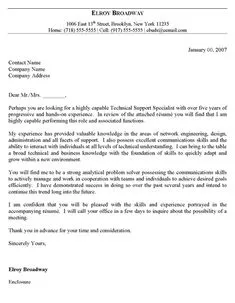
Tailor the heading of your cover letter to the specific job and company you are applying to. Customize the recipient’s name and title. If you are unsure about the specific contact, do your research, or address the letter to the hiring committee or the relevant department. Always ensure the heading matches the company’s brand and overall tone. While maintaining professionalism, you can subtly adjust the wording to resonate better with the company’s culture. You should tailor the heading to ensure you demonstrate your attention to detail and suitability for the role.