Why a Strong Cover Letter Matters to Professors
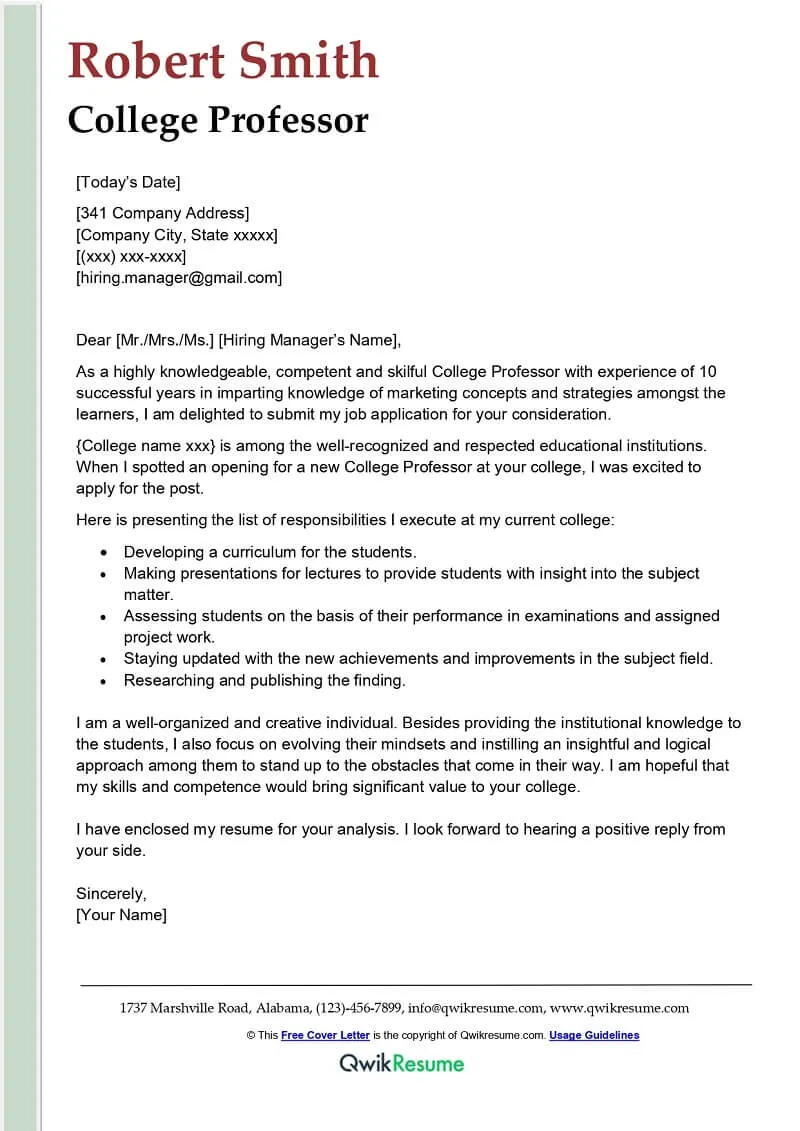
A cover letter is your first opportunity to make a strong impression on a professor. It’s more than just a formality; it’s a crucial tool that can significantly impact your chances of landing an interview or securing a position. Professors often receive numerous applications, and a well-crafted cover letter can set you apart from the competition. It allows you to showcase your personality, passion, and suitability for the role in a way that a resume alone cannot. A compelling cover letter demonstrates your genuine interest in the specific opportunity and highlights how your skills and experiences align with the professor’s research interests and the department’s needs. It provides context to your resume, allowing the professor to understand the ‘why’ behind your qualifications and achievements. Failing to include a thoughtful cover letter, or submitting a generic one, can be a missed opportunity to make a lasting impression and get a foot in the door. It also shows your communication skills.
Highlighting Your Relevant Skills and Experience
Your cover letter is the ideal space to emphasize the skills and experiences that are most relevant to the position and the professor’s research. Don’t simply reiterate your resume; instead, elaborate on your qualifications and provide specific examples that demonstrate your abilities. Identify the key skills that the professor is looking for, such as research methodologies, data analysis techniques, or specific software proficiency, and then provide evidence of your mastery of these skills. If you are applying for a research position, describe your past research projects, your role in those projects, and the outcomes you achieved. If you are applying for a teaching position, highlight your teaching experience, your pedagogical approach, and your ability to engage students. Whenever possible, quantify your achievements to make them more impactful, such as the number of publications you’ve contributed to, the grants you’ve helped secure, or the positive feedback you’ve received from students or supervisors. Use action verbs and clear, concise language to convey your expertise and make your skills stand out.
Tailoring Your Letter to the Professor’s Research
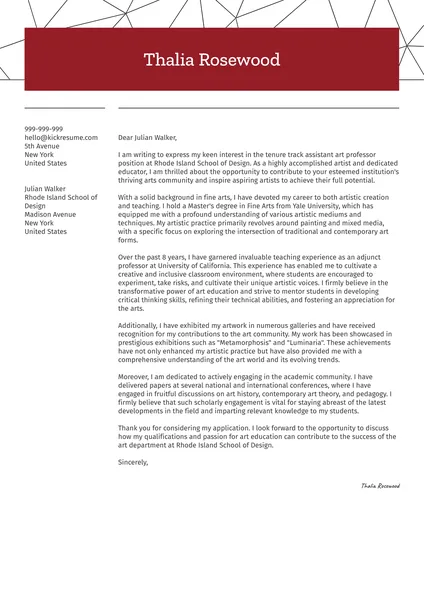
One of the most critical elements of a successful cover letter is demonstrating that you have thoroughly researched the professor and their work. Generic cover letters are easily spotted and often discarded. Tailoring your letter shows that you understand the professor’s research interests, the specific projects they are working on, and how your skills and experiences align with their goals. It is essential to go beyond a cursory glance at the professor’s website or publications. Dive deep into their research, read their recent papers, and understand their contributions to the field. Show that you understand the nuances of their work and can contribute meaningfully to their projects. In your cover letter, mention specific publications, projects, or methodologies that resonate with you. Explain why you are interested in their work and how your skills and experiences can contribute to their research. By demonstrating a genuine interest in the professor’s research, you not only increase your chances of getting their attention but also position yourself as a valuable asset to their team.
Researching the Professor and Department
Before you begin writing, dedicate time to thorough research. Visit the professor’s personal website, departmental pages, and academic databases. Read their most recent publications to understand their current research focus. Explore the department’s mission, values, and ongoing projects to assess how your goals align. Look for areas of synergy between your expertise and the professor’s work. Note specific projects, publications, or methodologies that resonate with you. This detailed preparation is critical for a cover letter that resonates.
Demonstrating Your Enthusiasm for the Role
Professors seek candidates who are genuinely passionate about their field. Express your enthusiasm by clearly articulating your interest in the specific position and the professor’s research. Explain why their work excites you, how it aligns with your academic and career aspirations, and what you hope to achieve if you are given the opportunity. Be specific and avoid generic statements. Instead of simply saying you are interested in their work, explain the specific aspects that intrigue you. Mention any specific projects or methodologies you find particularly interesting and why. If possible, connect your enthusiasm to your own research interests and career goals, demonstrating how the role fits into your broader academic journey. Showing genuine excitement can make a significant positive impression, making you a more memorable candidate.
Structuring Your Cover Letter for Maximum Impact

A well-structured cover letter is easy to read and immediately conveys the key information about your qualifications and suitability for the position. Divide your letter into distinct sections with clear headings and logical transitions. This makes it easier for the professor to quickly grasp your key strengths and assess your fit. Start with a compelling introduction that grabs the reader’s attention and clearly states the purpose of your letter. Follow this with a body that highlights your relevant skills, experiences, and accomplishments, relating them directly to the professor’s research interests and the requirements of the position. Conclude with a strong closing paragraph that reiterates your interest, summarizes your key qualifications, and includes a call to action. By following a clear structure, you will ensure your cover letter is informative, persuasive, and easy to read.
The Opening Paragraph Make a Great First Impression
The opening paragraph of your cover letter sets the tone for the entire application. It’s your first chance to grab the professor’s attention and encourage them to continue reading. Begin by clearly stating the position you are applying for and where you found the advertisement. Then, provide a brief, compelling overview of your key qualifications and why you are a good fit for the role. Avoid generic phrases like ‘I am writing to express my interest.’ Instead, use a strong, engaging opening that immediately highlights your most relevant skills or experiences. For instance, you might begin by mentioning a specific project you worked on that aligns with the professor’s research, or by stating a key skill that is essential for the position. The goal is to create an immediate connection and encourage the professor to learn more.
Crafting Compelling Body Paragraphs
The body paragraphs are the core of your cover letter, where you elaborate on your qualifications, experiences, and interests. Each paragraph should focus on a specific aspect of your suitability for the role, providing detailed examples and evidence to support your claims. Use clear, concise language and avoid jargon that the professor may not be familiar with. Focus on demonstrating how your skills and experiences align with the requirements of the position and the professor’s research interests. When discussing your achievements, quantify them whenever possible. For example, instead of saying you have experience in data analysis, specify the number of datasets you have worked with, the techniques you have used, and the results you have achieved. Structure your body paragraphs logically, starting with your most impressive qualifications and gradually building a picture of your overall suitability. Use a combination of storytelling, highlighting skills, and emphasizing your achievements to craft persuasive and engaging paragraphs.
Highlighting Achievements and Quantifiable Results

Professors are often impressed by candidates who can demonstrate a history of success and measurable achievements. In your cover letter, focus on quantifying your accomplishments and providing specific examples of how you have made a positive impact in your previous roles or research projects. Instead of simply stating your responsibilities, explain what you achieved. For example, if you are applying for a research position, mention the number of publications you have contributed to, the grants you have helped secure, or any awards or recognition you have received. If you are applying for a teaching position, provide data on student evaluations, the number of students you have taught, or any innovative teaching methods you have implemented. Use numbers, percentages, and specific details to make your achievements more compelling and memorable. This will help the professor quickly assess your value and potential contribution to their team or department.
The Closing Paragraph Reinforce Your Interest
Your closing paragraph is your last opportunity to reinforce your interest and leave a lasting impression on the professor. Restate your enthusiasm for the position and reiterate why you are a good fit. Summarize your key qualifications and how they align with the professor’s research interests and the department’s needs. Include a clear call to action, such as expressing your availability for an interview and providing your contact information. Avoid generic closing phrases like ‘Thank you for your time and consideration.’ Instead, use a strong, confident statement that conveys your genuine interest and eagerness to learn more. You might express your excitement about the possibility of contributing to their research or working with their team. Always proofread the closing paragraph carefully to ensure it is error-free and reflects your professionalism and attention to detail.
Proofreading and Editing for Perfection
Typos and grammatical errors can undermine your credibility and create a negative impression. Before submitting your cover letter, meticulously proofread it for any mistakes. Use a grammar and spell checker, but don’t rely on it completely. Read the letter aloud to catch any awkward phrasing or unclear sentences. Ask a friend, mentor, or career advisor to review your letter and provide feedback. They can identify any errors you may have missed and suggest ways to improve your writing. Pay close attention to the formatting of your letter. Ensure the font is professional, the margins are consistent, and the spacing is appropriate. Ensure your contact information is accurate and easy to find. A polished and error-free cover letter demonstrates your professionalism and attention to detail, signaling to the professor that you are serious about the opportunity.
Common Cover Letter Mistakes to Avoid

Several common mistakes can diminish the impact of your cover letter and decrease your chances of getting an interview. Avoid using generic, mass-produced templates. Tailor your letter to each specific position and professor. Do not simply restate your resume; provide additional context and elaborate on your qualifications. Avoid errors, such as typos, grammatical errors, and incorrect formatting. Always proofread carefully. Do not be too wordy; keep your letter concise and focused. Avoid using jargon or overly complex language that the professor may not understand. Refrain from using clichés and generic phrases. Write in a clear, engaging, and professional tone. Failing to research the professor or department thoroughly is a major mistake. Always demonstrate that you understand their work and are genuinely interested in their research. By avoiding these common pitfalls, you can create a cover letter that will grab the professor’s attention and increase your chances of landing your desired position.