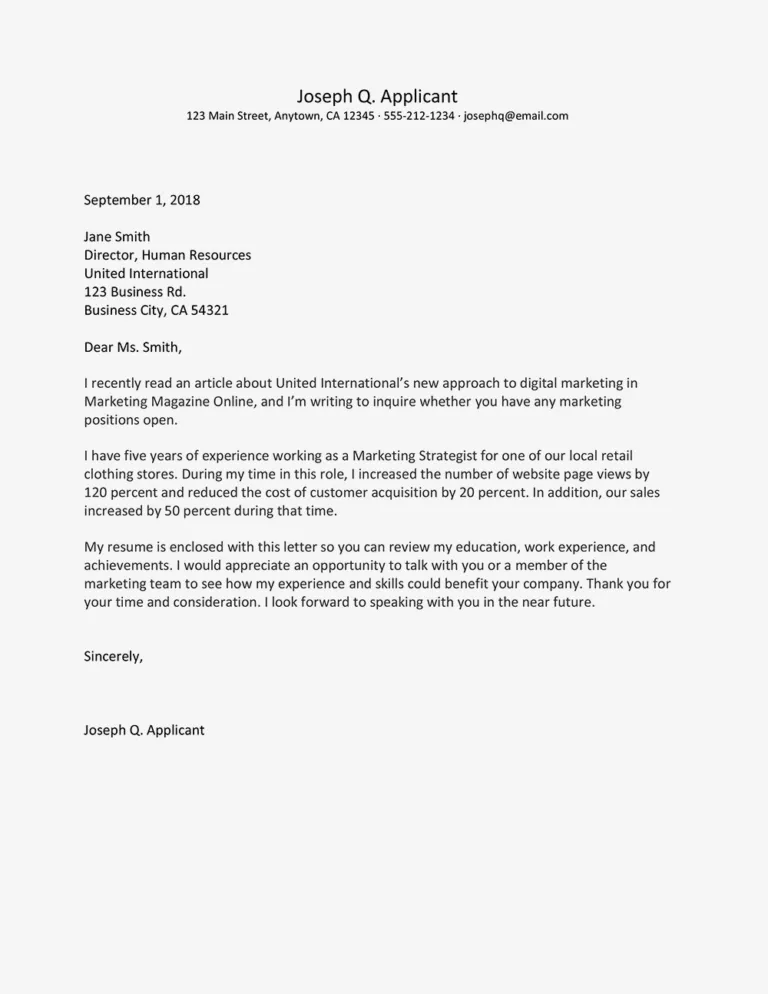
What is a Cover Letter and Why Do You Need One?
A cover letter is a crucial document that accompanies your resume when you apply for a job. It serves as your first introduction to a potential employer and provides you with an opportunity to showcase your personality, skills, and enthusiasm for the position. Unlike a resume, which offers a brief overview of your experience and qualifications, a cover letter allows you to elaborate on why you’re the perfect fit for the job, expressing your interest in a personalized way. It is an essential tool for job seekers aiming to make a strong first impression.
Understanding the Purpose of a Cover Letter
The primary purpose of a cover letter is to capture the hiring manager’s attention and convince them to read your resume. It allows you to highlight specific achievements, explain career transitions, and demonstrate your understanding of the company and the role. A well-crafted cover letter expresses your interest in the specific job and company, making it clear why you’re applying and what unique value you bring. It goes beyond a simple summary of your qualifications, adding a layer of context and personality that can significantly increase your chances of landing an interview. Showing your genuine enthusiasm through a tailored cover letter is key.
Key Components of a Cover Letter

A standard cover letter typically consists of several key components. It begins with a header that includes your contact information and the date. Next comes the salutation, which should be addressed to a specific person whenever possible. The body of the letter is where you express your interest, highlight relevant skills and experiences, and explain why you are a good fit for the role. Finally, you conclude with a professional closing and a call to action, such as requesting an interview. A well-structured cover letter makes it easier for the hiring manager to quickly understand your qualifications and interest.
Header Section Essentials
The header of your cover letter is the first thing the hiring manager sees, so it is essential to get it right. Include your full name, phone number, email address, and optionally, your LinkedIn profile URL. Make sure your contact information is accurate and professional. Following your contact information, include the date and the hiring manager’s name and title, and the company address, if available. A clean and professional header sets the tone for the rest of your letter and ensures the recruiter can easily contact you. Use a font and format that match your resume for consistency.
Personalizing Your Cover Letter
Generic cover letters rarely make a strong impact. Personalization is key to grabbing the reader’s attention. Tailor each cover letter to the specific job you are applying for and the company’s culture. Research the company and the role to understand their needs and expectations. Reference the job description and highlight how your skills and experiences align with their requirements. Mention specific projects or achievements that demonstrate your ability to excel in the role. Personalizing your letter shows that you have taken the time to understand the position and are genuinely interested in the opportunity.
Crafting a Compelling Opening

The opening paragraph is your chance to make a strong first impression. Start with a captivating hook that grabs the reader’s attention. State the specific position you are applying for and where you found the job posting. Briefly explain why you are interested in the role and the company. You might mention a recent company achievement that you admire or explain your unique skill or experience that makes you a good candidate. Avoid generic opening statements. Make it clear that you are the right fit and are excited about the prospect of working for them. Showing your enthusiasm is key.
How to Express Your Interest
Clearly stating your interest is crucial. Explicitly mention your enthusiasm for the role and the company in your cover letter. Explain what aspects of the job or the company appeal to you. Whether it is a specific project, the company culture, or the opportunity for career growth, show that you have done your research and are genuinely motivated. Convey your passion through your writing, and let the reader know why you are enthusiastic about the prospect of contributing to their organization. Demonstrating your interest sets you apart from other applicants.
Highlighting Relevant Skills and Experiences
This is the core of your cover letter, where you showcase your relevant skills and experiences. Review the job description and identify the key skills and qualifications the employer is seeking. Provide specific examples of how your skills and experiences align with the job requirements. Use action verbs to describe your accomplishments and responsibilities. For example, instead of saying “responsible for project management,” say “Managed and successfully delivered three projects on time and under budget.” Provide supporting evidence of your abilities. This helps the employer understand your potential and value.
Quantifying Your Achievements

Whenever possible, quantify your achievements to make them more impactful. Use numbers and data to demonstrate the results you have achieved in previous roles. Instead of saying “Improved customer satisfaction,” say “Increased customer satisfaction scores by 15% within six months.” Quantifying your achievements provides concrete evidence of your abilities and shows the value you can bring to the company. Be specific about your accomplishments and provide verifiable data. This approach will make your achievements more compelling and memorable.
Tailoring Your Letter to the Job Description
Carefully tailor your cover letter to match the job description. Analyze the job description for keywords, required skills, and desired qualifications. Use these keywords in your cover letter to demonstrate that you meet the job requirements. Highlight your relevant skills and experiences and provide examples that align with the job description. This shows that you have taken the time to understand the role and are a good fit for the position. Customize your cover letter to show the hiring manager that you understand their specific needs.
Writing a Strong Closing and Call to Action
End your cover letter with a strong closing paragraph and a clear call to action. Summarize your key qualifications and reiterate your interest in the position. Express your enthusiasm for the opportunity to discuss your qualifications further. Include a call to action, such as “I am eager to discuss my qualifications further in an interview.” or “Thank you for your time and consideration. I look forward to hearing from you soon.” Finish with a professional closing, such as “Sincerely,” or “Respectfully,” followed by your typed name. This reinforces your interest and prompts the hiring manager to take the next step.
Proofreading and Formatting Your Cover Letter

Proofreading and formatting are essential for a professional cover letter. Carefully proofread your letter for any grammatical errors, spelling mistakes, or typos. Ensure your writing is clear, concise, and easy to read. Use a professional font, such as Times New Roman, Arial, or Calibri, and maintain consistent formatting throughout the document. Check the alignment, spacing, and margins to make sure your letter looks polished and professional. Consider having someone else proofread your letter to catch any errors you may have missed. A well-formatted and error-free cover letter shows attention to detail.
Formatting Guidelines for Cover Letters
Follow these formatting guidelines to ensure your cover letter is professional. Use a standard font size (11 or 12 points) and a readable font style. Use 1-inch margins on all sides. Single-space the body of your letter and double-space between paragraphs. Use left-aligned text, except for your contact information, which can be left-aligned or centered. Keep your letter to one page. Avoid using excessive bolding, underlining, or italics. Ensure your cover letter is visually appealing and easy to read. A well-formatted cover letter makes a positive impression.
Common Cover Letter Mistakes to Avoid
Avoid these common cover letter mistakes to make sure you make a good impression. Do not simply rehash your resume. Avoid using generic templates without personalization. Do not include irrelevant information. Avoid grammatical errors and typos. Do not be negative or unprofessional. Do not send the wrong cover letter. Don’t exceed one page. Avoid using jargon or overly complex language. By avoiding these pitfalls, you increase your chances of getting noticed.