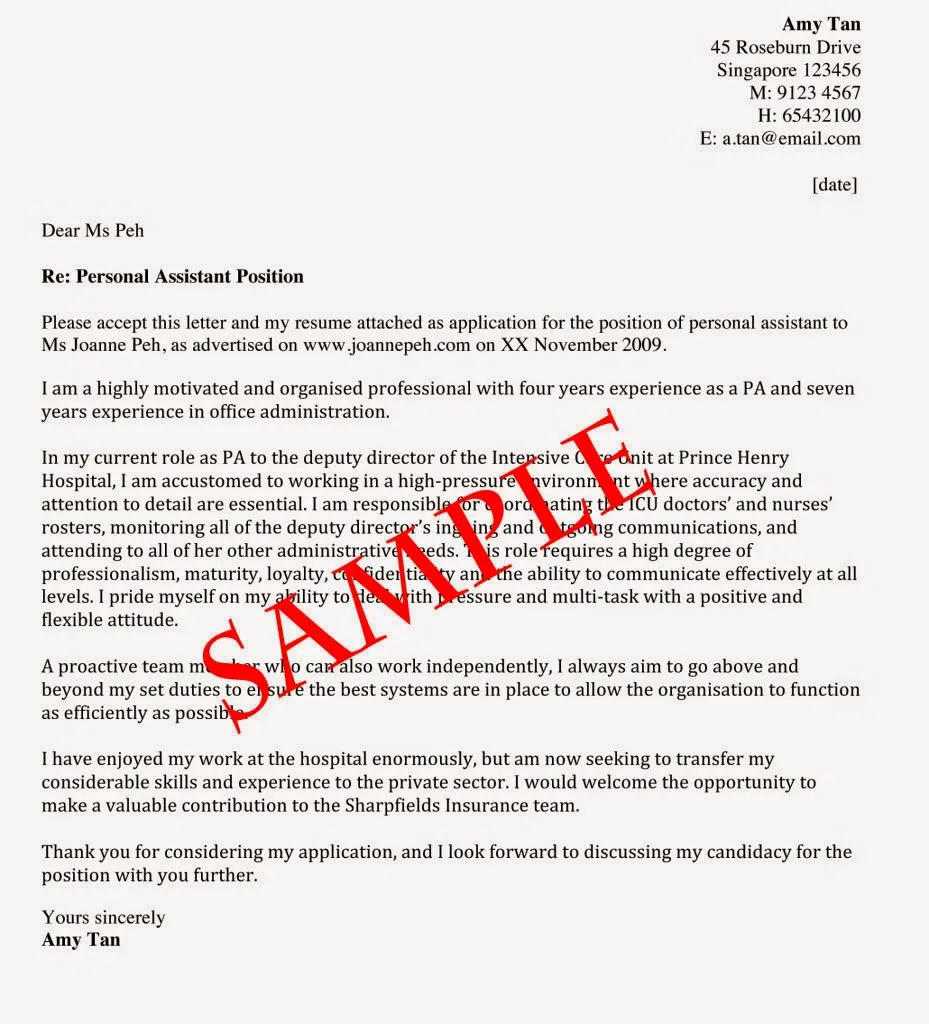
What is a Cover Letter
A cover letter is a one-page document that you send with your resume when applying for a job. It serves as an introduction to your qualifications and an opportunity to express your interest in the specific position and company. Unlike your resume, which provides a factual summary of your experience and skills, a cover letter allows you to showcase your personality, explain your career goals, and highlight why you are a perfect fit for the role. It’s your chance to make a strong first impression and persuade the hiring manager to read your resume and consider you for an interview.
Why Cover Letters Matter
In today’s competitive job market, a well-crafted cover letter can significantly increase your chances of landing an interview. Many hiring managers consider a cover letter a crucial part of the application process. It provides context to your resume and allows you to demonstrate your communication skills, enthusiasm, and understanding of the company’s needs. A cover letter shows that you’ve taken the time to research the position and tailor your application, which signals genuine interest. It helps you differentiate yourself from other applicants and gives you an opportunity to address any potential gaps in your resume or explain your career transition.
Key Elements of a Powerful Cover Letter

A powerful cover letter comprises several key elements that work together to create a compelling narrative. These elements include a professional header, a personalized greeting, a captivating opening paragraph, a body that highlights your relevant skills and achievements, a tailored approach that demonstrates your understanding of the role and company, and a strong closing paragraph with a clear call to action. Each element should be crafted with precision and attention to detail to make a lasting impression on the hiring manager.
Header and Contact Information
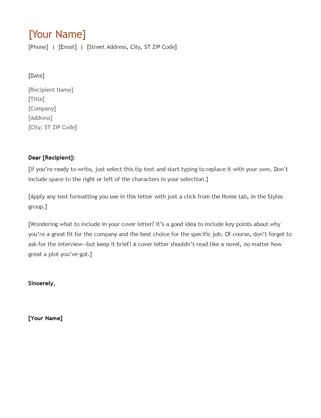
The header of your cover letter should be clean, professional, and easy to read. It should include your full name, address, phone number, and professional email address. Consider using a simple font and a consistent format that matches your resume. Make sure your contact information is accurate and up-to-date. Including the date and the hiring manager’s name and title (if known) adds a personal touch and shows you’ve done your research. Ensuring the header is correctly formatted sets a professional tone from the outset.
Greeting the Hiring Manager
Addressing the hiring manager by name is a crucial step in making your cover letter stand out. If possible, find the name of the hiring manager through the company website, LinkedIn, or by calling the company. Use a formal greeting such as “Dear Mr./Ms./Mx. [Last Name]”. If you can’t find a specific name, use a general greeting like “Dear Hiring Manager” or “Dear [Department] Team.” Avoid generic greetings like “To Whom It May Concern,” which can make your letter feel impersonal. A personalized greeting shows that you have taken the time to research the company and the role.
Opening Paragraph

The opening paragraph is your opportunity to grab the hiring manager’s attention. Start by stating the position you are applying for and how you found the job posting. Briefly mention what makes you excited about the role and the company. You might also include a concise statement about your relevant experience or a key skill that aligns with the job requirements. Avoid generic opening lines; instead, make it clear why you are interested in this specific opportunity. The opening paragraph should set the tone for the rest of your letter and entice the reader to learn more about you.
Highlight Your Relevant Skills and Experience
In the body of your cover letter, focus on highlighting your skills and experience that are most relevant to the job requirements. Review the job description carefully and identify the key skills and qualifications the employer is seeking. Provide specific examples of how you have demonstrated these skills in your previous roles. Use the STAR method (Situation, Task, Action, Result) to structure your examples, making them clear, concise, and impactful. Quantify your achievements whenever possible by using numbers and data to show the impact of your work. This demonstrates your value and ability to contribute to the company’s success.
Showcase Your Achievements
Instead of simply listing your job responsibilities, showcase your achievements. What did you accomplish in your previous roles? How did you exceed expectations or contribute to the success of your previous employers? Use the STAR method to describe your accomplishments in detail. Focus on the results you achieved, such as increased sales, improved efficiency, or successful project completion. Quantify your achievements with numbers, percentages, or other measurable metrics to demonstrate the impact of your work. Highlighting your accomplishments helps you stand out from other candidates and shows that you can deliver results.
Tailoring Your Cover Letter

One of the most critical aspects of writing a powerful cover letter is tailoring it to each job application. Avoid sending a generic cover letter to multiple companies. Instead, customize your letter for each specific role and company. Research the company, understand its values, and demonstrate how your skills and experience align with its needs. Show that you understand the company’s mission, culture, and industry. Tailoring your cover letter shows that you are genuinely interested in the opportunity and have taken the time to learn about the company and the role, increasing your chances of getting noticed.
Researching the Company and Role
Before writing your cover letter, thoroughly research the company and the role you are applying for. Visit the company’s website, read their “About Us” page, and check out their social media profiles. Understand their mission, values, and recent initiatives. Review the job description carefully and identify the key requirements, skills, and qualifications. Use this information to tailor your cover letter and demonstrate how your experience and skills align with the company’s needs. Showing that you have done your research and understand the company’s goals makes you a more appealing candidate.
Using Keywords Effectively
Many companies use Applicant Tracking Systems (ATS) to screen resumes and cover letters. To increase your chances of getting noticed, incorporate keywords from the job description into your cover letter. Identify the essential skills and qualifications mentioned in the job posting and use these keywords naturally throughout your letter. However, avoid keyword stuffing, which can make your letter sound unnatural and detract from its readability. Focus on incorporating keywords in a way that highlights your skills and experience in context. This helps the ATS recognize your application and increases your chances of getting your cover letter read by a human.
Formatting and Design Tips

The formatting and design of your cover letter are crucial for making a good first impression. Use a professional and easy-to-read font, such as Arial, Calibri, or Times New Roman. Choose a font size between 10 and 12 points to ensure readability. Use clear headings, bullet points, and ample white space to break up the text and make it easier to scan. Maintain consistent margins and alignment throughout your letter. Use a professional and simple design that is not distracting from the content. A well-formatted cover letter shows that you pay attention to detail and take pride in your work.
Font and Readability
Choose a font that is easy to read and looks professional. Avoid using overly fancy or decorative fonts, which can distract from the content. Stick to standard fonts like Arial, Calibri, or Times New Roman. Ensure your font size is between 10 and 12 points to make the text legible. Proper font selection and size contribute to the overall readability of your cover letter. It shows that you understand the importance of presenting your application in a clear and accessible format.
Length and Structure
Keep your cover letter concise and focused. Aim for a one-page document, as hiring managers often have limited time to review applications. Structure your letter logically with clear paragraphs and headings. Start with an engaging opening, followed by a body that highlights your relevant skills and achievements, and end with a strong closing. Use the right structure will help you stay focused and deliver a compelling message. Make sure your letter is easy to read and navigate.
Closing Paragraph

Your closing paragraph should summarize your interest in the role and company and express your enthusiasm for the opportunity. Reiterate why you are a good fit for the position and what you can bring to the company. Include a call to action by stating your willingness to discuss your qualifications further and inviting the hiring manager to contact you for an interview. Express your gratitude for their time and consideration. A strong closing paragraph reinforces your message and leaves a positive final impression.
Call to Action
Include a clear call to action in your closing paragraph. This tells the hiring manager what you want them to do next, such as contacting you for an interview. State your availability for an interview and provide your contact information again if needed. Avoid being passive or leaving it to the hiring manager to initiate contact. A well-defined call to action shows that you are proactive and eager to move forward in the application process. This increases the likelihood of a positive response.
Expressing Gratitude
Always express gratitude to the hiring manager for their time and consideration. Thank them for reviewing your application and acknowledge their efforts in the hiring process. Showing gratitude demonstrates professionalism and respect, leaving a positive impression. A simple “Thank you for your time and consideration” or “I appreciate your time” can go a long way in showing your appreciation. It reflects your positive attitude and makes you more memorable.
Proofreading and Editing
Before submitting your cover letter, proofread it carefully for any typos, grammatical errors, or formatting issues. Ask a friend, family member, or career counselor to review your letter for a fresh perspective. Ensure that your letter is clear, concise, and error-free. A polished cover letter demonstrates attention to detail and professionalism. Spelling and grammar mistakes can create a negative impression. Proofreading and editing are essential steps in ensuring that your cover letter is flawless.
Common Cover Letter Mistakes to Avoid
Avoid these common mistakes to increase your chances of success.
Generic and Vague Statements
Avoid using generic and vague statements that could apply to any job or company. Tailor your letter to the specific role and company, demonstrating a clear understanding of their needs and how your skills and experience align. Instead of saying “I am a hard worker,” provide specific examples of your achievements and how you have contributed to previous employers. Be specific about your contributions, skills and accomplishments.
Typos and Grammatical Errors
Typos and grammatical errors can make your cover letter look unprofessional and can damage your credibility. Always proofread your cover letter carefully before submitting it. Use a grammar checker tool and ask someone else to review your letter. Errors can be distracting and can indicate a lack of attention to detail, so thorough proofreading is essential. Correct grammar ensures that you convey a professional image.
Ignoring the Job Description
Failing to address the requirements outlined in the job description is a common mistake. Review the job description carefully and tailor your cover letter to highlight the skills and experience that match the employer’s needs. Explain how your skills and experience align with the job requirements. Demonstrate your understanding of the role by using relevant keywords and providing specific examples of how you have met similar challenges. Ignoring the job description shows a lack of attention to detail and may result in your application being overlooked.
Cover Letter Examples
Reviewing cover letter examples can help you understand how to structure your letter and highlight your qualifications. Search for examples online or consult with a career counselor to get feedback. Adapting examples to your own skills and experience is useful to create an effective letter. Use examples as inspiration. Remember to customize the example to your personal information and match the job requirements. You can find a number of free templates to get you started.