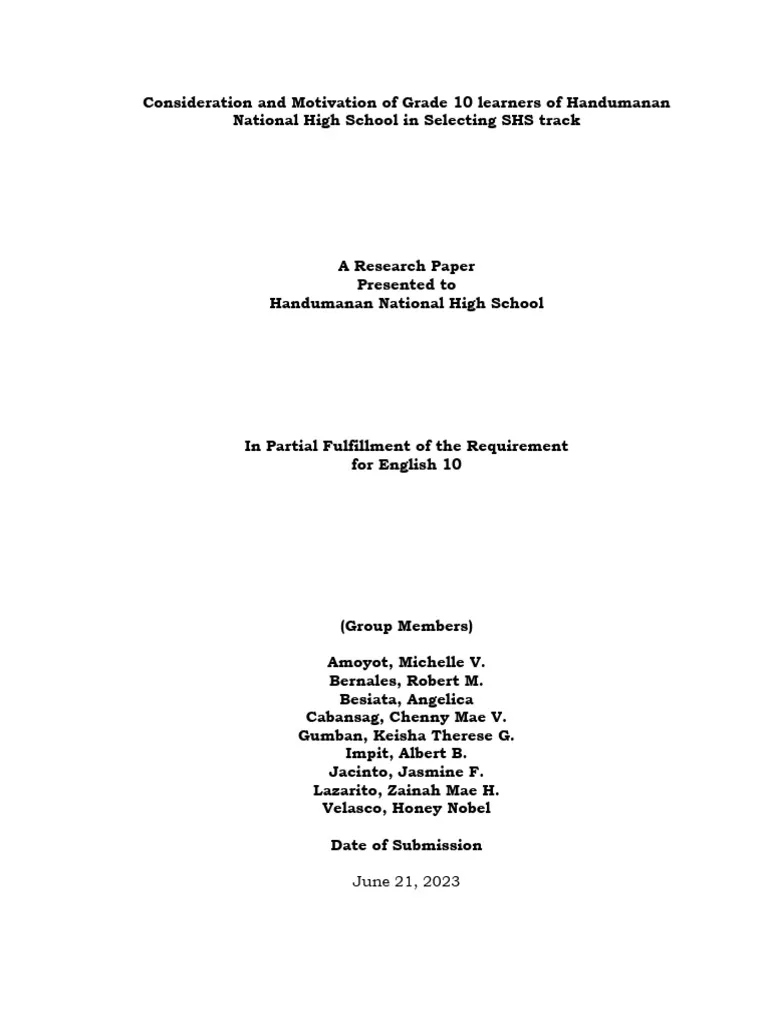
Understanding the Research Paper Cover Letter
A research paper cover letter is a crucial document that accompanies your manuscript when you submit it to a journal. It serves as an introduction to your work, providing editors with essential information about your research and its suitability for their publication. Unlike a standard cover letter for a job application, this letter focuses on the academic and scientific aspects of your paper. It’s an opportunity to succinctly explain your research, highlight its significance, and persuade the editor that your work merits consideration for publication. A well-crafted cover letter can significantly increase the chances of your paper being accepted, making it an indispensable part of the publication process.
Why is a Cover Letter Important for Your Research Paper?
The cover letter plays several vital roles in the publication process. First, it provides context for your research, allowing the editor to quickly grasp the paper’s focus and scope. It allows you to clearly and concisely communicate the main objectives, methodologies, and results of your study. Second, it establishes a professional tone and demonstrates your understanding of the journal’s guidelines. A well-written letter shows that you have considered the journal’s scope and audience, increasing the likelihood that your submission will be taken seriously. Third, the cover letter gives you an opportunity to address any potential issues, such as conflicts of interest or deviations from the journal’s preferred format. Finally, a strong cover letter can leave a positive first impression, potentially influencing the editor’s initial assessment of your manuscript.
Key Components of a Research Paper Cover Letter

A standard research paper cover letter follows a specific format that includes several key components. These components work together to present your research effectively and professionally. Adhering to the correct structure not only shows your respect for the journal’s processes but also helps editors quickly identify the most important information about your submission. Ignoring these key elements can lead to rejection, thus it is important to carefully consider each element.
Header Information
The header of your cover letter should contain essential contact information. This part ensures that the editor knows who is submitting the paper, and how to contact them. It demonstrates attention to detail and professionalism.
Author’s Contact Information
Include your full name, affiliation (university, institution), mailing address, email address, and phone number. Ensure that the information is accurate and up to date, as this is the primary means of contact.
Date

The date of submission is essential for record-keeping. It is typically placed below the author’s contact information.
Editor or Journal Information
Address the letter to the editor of the journal. If you know their name, include it, along with the journal’s name and address. If the journal uses a specific editor or contact, be sure to include them, as well.
Opening and Salutation
Begin with a professional salutation, such as “Dear Dr. [Editor’s Last Name]” or “Dear Editor.” Avoid generic greetings. This sets the tone for the letter and shows respect for the editor.
Stating the Purpose and Scope

Clearly state that you are submitting a manuscript for consideration for publication. Include the full title of your paper. Briefly mention the type of article (research article, review, etc.) and the journal you are submitting to. This establishes the intent of the communication and provides context for the editor.
Highlighting the Research
Provide a concise summary of your research. This section allows you to highlight the most important aspects of your study. Keeping this short and to the point is key. Your cover letter shouldn’t replace the abstract.
Summarizing Key Findings
Briefly describe the main results and conclusions of your research. Use clear, non-technical language to communicate the significance of your work. Emphasize what new information your study contributes.
Emphasizing Significance

Explain the importance of your findings, the potential impact on the field, and why the journal’s audience would be interested. Link your research to the journal’s scope and readership. Make it clear why your work is a good fit for the publication.
Declaring Originality and Conflicts of Interest
Affirm that the work is original and has not been published elsewhere. Disclose any potential conflicts of interest (financial, personal, or other) that could influence the interpretation of your results. Transparency builds trust with the editor and demonstrates your commitment to ethical research practices.
Acknowledging Contributions and Funding
Acknowledge the contributions of any co-authors and the source of funding for your research. This section credits everyone involved and helps maintain the integrity of your study. Clearly state who contributed to the research.
Closing and Formalities

Conclude your cover letter with a professional closing and signature. This reinforces the professional tone and completes the letter.
Complimentary Close
Use a professional closing, such as “Sincerely,” “Yours sincerely,” or “Respectfully.” Avoid informal closings like “Best regards” or “Thank you.” The choice should align with the overall tone of your letter.
Signature
Type your full name below the closing. If submitting a hard copy, include your handwritten signature above your typed name.
Formatting and Submission Guidelines

Adhering to the specific formatting and submission guidelines of the target journal is crucial. This attention to detail shows respect for the publication process and ensures that your manuscript is considered seriously.
Adhering to Journal Specific Instructions
Carefully review the journal’s instructions for authors. Pay close attention to their formatting requirements, including font, margins, and the number of words. Adhere to the specified word limits for the cover letter. Submit the cover letter as per the journal’s guidelines, usually as a separate file or within the online submission system.
Proofreading and Editing
Proofread your cover letter carefully for any grammatical errors, typos, or inconsistencies. Consider having a colleague or a professional editor review your letter to ensure clarity and accuracy. A polished cover letter reflects your professionalism and increases the chances of a favorable response. Make sure the language is clear, concise, and free of errors. Make sure to check for spelling and grammatical errors, and for correct formatting.
Writing a strong research paper cover letter requires careful attention to detail and a clear understanding of the journal’s requirements. By following the guidelines and incorporating the key components, you can significantly increase the likelihood of your manuscript being accepted for publication. A well-crafted cover letter will present your research professionally and increase the impact of your hard work.