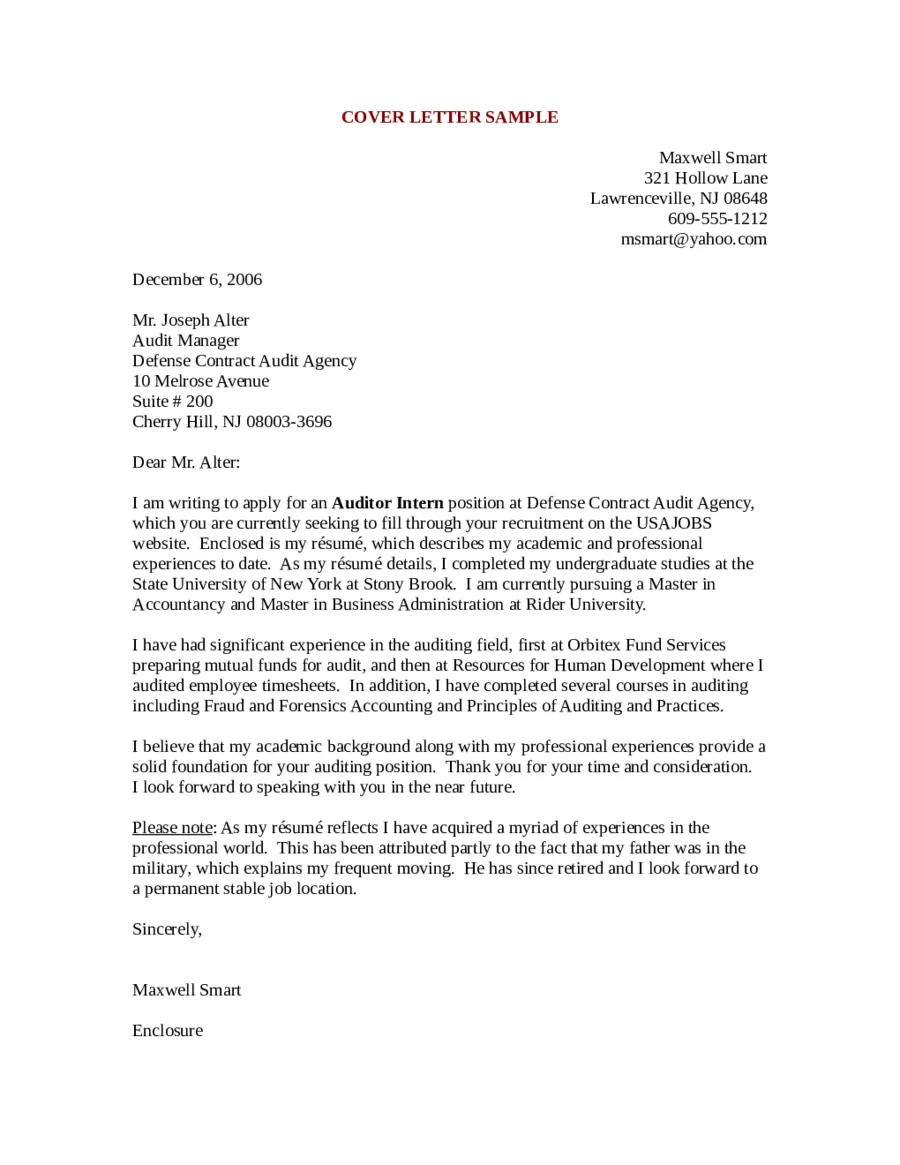
What is a Cover Letter?
A cover letter is a crucial document accompanying your resume when applying for a job. It serves as your introduction to the hiring manager, providing a personalized overview of your skills, experience, and why you’re a great fit for the specific position. Unlike your resume, which offers a concise summary of your qualifications, a cover letter allows you to elaborate on your key achievements, demonstrate your enthusiasm for the role, and showcase your writing and communication skills. A well-crafted cover letter is not simply a reiteration of your resume; it’s an opportunity to tell a compelling story about yourself and how you can contribute to the company’s success. Think of it as your chance to make a strong first impression and persuade the employer to read your resume more closely and consider you for an interview. Without a cover letter, your application may be overlooked, especially in competitive job markets.
Why is a Cover Letter Important?
In today’s competitive job market, a cover letter is more than just an optional addition to your application; it is a vital tool that can significantly increase your chances of landing an interview. It gives you the space to showcase your personality, passion, and genuine interest in the role and the company. A cover letter allows you to go beyond the bullet points of your resume and tell a narrative that highlights how your skills and experiences align with the job’s requirements. It allows you to address any potential gaps in your resume or provide context for your career choices. Furthermore, a cover letter demonstrates your attention to detail and commitment to the application process. It also provides an opportunity to highlight specific achievements and quantify your contributions, making a stronger case for why you should be considered for the position. Employers use cover letters to assess your communication skills, writing proficiency, and the level of effort you put into the application. Failing to include a cover letter, or submitting a generic one, can make you seem less interested in the job or the company compared to candidates who have taken the time to craft a personalized and compelling letter.
Key Components of a Cover Letter

A well-structured cover letter is composed of several essential parts, each playing a crucial role in making a positive impression. Understanding these components and how to integrate them is key to crafting a winning application. The key components include clear contact information, a professional greeting, a captivating opening paragraph, compelling body paragraphs that highlight your skills and experiences, a tailored approach, a concise call to action, and a professional closing. The layout should be clean, easy to read, and free of errors. The content should be tailored to the specific job and demonstrate your understanding of the company and its needs. By paying attention to these elements, you can ensure your cover letter effectively communicates your qualifications and increases your chances of getting an interview.
Contact Information
At the top of your cover letter, include your full name, address, phone number, and email address. Ensure your email address is professional. The format should be easy to read and clearly displayed. This information allows the hiring manager to quickly identify you and contact you if they’re interested in your application. It’s also a standard practice that reflects professionalism and attention to detail. Make sure your contact information is up-to-date and accurate to prevent any potential issues. Consistency with the information on your resume is crucial for a cohesive application. If you are applying for a job online, you can also include a link to your LinkedIn profile, if you have one and it is up-to-date.
Greeting the Hiring Manager
The greeting sets the tone for your cover letter, so it’s important to get it right. Ideally, address the hiring manager by name. Research the company’s website or use LinkedIn to find out the name of the person in charge of hiring. If you cannot find a specific name, use a professional greeting such as ‘Dear Hiring Manager’ or ‘Dear [Department Name] Hiring Team.’ Avoid generic greetings like ‘To Whom It May Concern,’ which can make your letter feel impersonal. A personalized greeting demonstrates that you’ve taken the time to research the company and shows a level of interest that generic greetings often fail to achieve. It signals that you are proactive and attentive to details, which are important qualities in a job candidate.
Opening Paragraph Crafting a Strong Hook

The opening paragraph is your opportunity to grab the reader’s attention. Start with a compelling statement that highlights your enthusiasm for the position and the company. You can mention where you saw the job posting, express your interest in the role, and briefly state why you are a good fit. Avoid generic opening lines. Instead, aim for a hook that immediately captures the reader’s interest. You could mention a specific project or achievement, relate it to the company’s mission, or reference a recent company accomplishment that resonated with you. A well-crafted opening sets the stage for the rest of your letter, encouraging the hiring manager to continue reading. It’s also where you can quickly show off your writing skills and set yourself apart from other applicants.
Body Paragraphs Highlighting Your Skills
The body paragraphs are where you showcase how your skills and experience align with the job requirements. Carefully read the job description and identify the key skills and qualifications the employer is seeking. Then, provide specific examples from your work history to illustrate how you possess these skills. Use the STAR method (Situation, Task, Action, Result) to describe your accomplishments, providing a clear and concise narrative of your experience. Quantify your achievements whenever possible to demonstrate the impact you made in previous roles. Structure your body paragraphs in a logical manner, connecting each skill or experience to the job’s needs. This will help the hiring manager quickly understand the value you bring to the table. The goal is to convince the reader that you possess the required skills and competencies needed for the role, and your track record reflects it. Make sure that your body paragraphs provide concrete examples to make your case. Avoid merely listing your responsibilities.
Showcasing Relevant Experience
Use your cover letter to highlight relevant experience that directly matches the job requirements. Choose examples that demonstrate your ability to perform the tasks outlined in the job description. Structure each example by detailing the situation, the tasks you undertook, the actions you took, and the results you achieved. This method provides a clear and concise way to showcase your accomplishments. When highlighting your experience, focus on the skills and achievements that are most relevant to the role. Even if you have a wide range of experiences, prioritize the ones that align with the employer’s needs. Don’t just list your duties; describe how you made a difference in your previous roles. Showing how you’ve solved problems, exceeded expectations, or improved processes gives you a better chance of landing the job.
Quantifying Achievements

Quantifying your achievements is one of the most effective ways to demonstrate your value to a potential employer. Instead of simply saying you increased sales, for example, state by how much – ‘Increased sales by 15% within one quarter.’ Use numbers, percentages, and metrics to show the impact of your work. This provides tangible evidence of your accomplishments and makes your claims more credible. Use data to show how you have improved efficiency, reduced costs, or increased revenue. This helps the hiring manager understand your contributions more clearly. When possible, link your achievements to the company’s goals and demonstrate how your performance contributed to the overall success of the organization. Quantifiable results demonstrate the direct impact you made in your previous roles and provide a clear picture of your potential value.
Tailoring Your Cover Letter to the Job
Customizing your cover letter for each job application is vital. Generic cover letters rarely make a strong impression. Tailor your letter to the specific job description and the company’s values and needs. Carefully review the job requirements and use the keywords from the description to highlight your relevant skills and experiences. Show that you understand the company’s mission, values, and the challenges it faces, and explain how you can help address those challenges. Research the company and its culture to show you are genuinely interested in the role. This personalization demonstrates your attention to detail and commitment to the application. The more you tailor your letter to each job, the more likely you are to stand out and capture the hiring manager’s attention.
Formatting and Design for Impact
The formatting and design of your cover letter play a critical role in making a positive impression. Use a clean, professional font like Arial, Calibri, or Times New Roman in a readable size (11 or 12 points). Ensure consistent formatting throughout the document. Maintain a professional and well-organized layout. Use clear headings, ample white space, and bullet points (if appropriate) to make your letter easy to read. Avoid excessive use of bolding, italics, or unusual formatting choices. The goal is to present your information in a clear, concise, and visually appealing manner. A well-formatted cover letter indicates professionalism and attention to detail, demonstrating to the hiring manager that you take your application seriously.
Proofreading and Editing

Proofreading and editing your cover letter is absolutely crucial. Errors, typos, and grammatical mistakes can significantly undermine your credibility. Before submitting your letter, carefully review it for any errors in spelling, grammar, and punctuation. Read the letter aloud to catch any awkward phrasing or unclear sentences. Consider having a friend, family member, or career advisor review your letter. Fresh eyes can often spot mistakes that you might miss. Ensure that the tone of your letter is professional and appropriate for the role and the company. Pay close attention to the language, style, and structure of your letter to make sure it is clear, concise, and error-free. Proofreading demonstrates your attention to detail and commitment to presenting yourself in the best possible light. It’s a critical step in ensuring that your cover letter makes a positive impression.
Call to Action Requesting an Interview
The closing paragraph of your cover letter should include a clear call to action. Express your interest in the position and state that you are available for an interview. Thank the hiring manager for their time and consideration. Reiterate your enthusiasm for the role and the company, and make it easy for the employer to contact you by restating your contact information. This action encourages the hiring manager to take the next step. Avoid generic phrases and instead, write a specific, confident statement about your interest. Be proactive in showing your enthusiasm to move forward in the hiring process. A strong closing paragraph can leave a lasting positive impression, signaling your genuine interest and initiative.