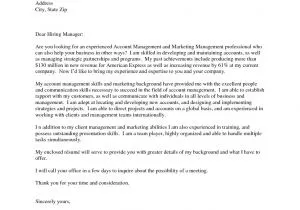
What is a Cover Letter
A cover letter is a formal document that accompanies your resume when you apply for a job. It serves as an introduction, allowing you to highlight your skills, experience, and enthusiasm for the position. Think of it as your personal sales pitch, where you make a case for why you are the ideal candidate. Unlike a resume, which lists your qualifications, a cover letter allows you to explain why you are interested in the specific role and company. It provides an opportunity to connect your skills and experience with the job requirements and demonstrate your understanding of the company’s needs.
The Importance of a Cover Letter
In today’s competitive job market, a well-crafted cover letter can significantly increase your chances of landing an interview. It’s an opportunity to make a strong first impression and set yourself apart from other applicants. Many hiring managers consider cover letters essential, as they provide valuable insights into your personality, communication skills, and genuine interest in the role. It allows you to personalize your application, demonstrating that you’ve taken the time to research the company and understand the specific requirements of the job. This shows initiative and a proactive approach, which are highly valued by employers.
Essential Components of a Cover Letter

A compelling cover letter should include several key components to effectively communicate your qualifications and enthusiasm. These components work together to create a cohesive and persuasive argument for why you are the right fit for the job. Each part plays a crucial role in conveying your message and capturing the reader’s attention. Failing to include any of these essential elements can weaken your application and decrease your chances of success.
Contact Information
At the top of your cover letter, include your contact information. This typically includes your full name, phone number, email address, and optionally, your LinkedIn profile URL or personal website. Ensure that your contact information is accurate and up-to-date, so the hiring manager can easily reach you. Using a professional email address is crucial. Avoid using nicknames or unprofessional language in your email address. This ensures that you present a professional image from the very beginning of the application process. Your contact details should be clearly visible and easy to read.
Date
Below your contact information, include the date on which you are writing the cover letter. This helps the employer know when you submitted your application. The date should be formatted consistently with other formal documents. This is a simple detail, but it contributes to the overall professional appearance of your cover letter. The date is usually placed on the left-hand side of the document, just below your contact details, providing context for when the application was submitted.
Recipient’s Information

Always address your cover letter to the hiring manager or the specific person mentioned in the job posting. Research the company’s website or LinkedIn to find the name of the hiring manager or recruiter. Addressing the letter to a specific person shows initiative and attention to detail. If you cannot find a specific name, use a general greeting, such as ‘Dear Hiring Manager’. Avoid generic greetings like ‘To Whom It May Concern,’ as they can make your application seem less personal. Researching the recipient’s name demonstrates your interest in the role and attention to detail.
The Salutation
Start your cover letter with a professional salutation. If you know the hiring manager’s name, use ‘Dear Mr./Ms./Mx. [Last Name]’. If you don’t know the name, use ‘Dear Hiring Manager’ or ‘Dear [Company Name] Hiring Team.’ The salutation sets the tone for your letter and should be respectful and appropriate. Ensure that you use the correct title (Mr., Ms., or Mx.) and spelling of the name. This is the first impression you make in your writing, so it is crucial to make it a positive one. A well-chosen salutation shows that you have taken the time to personalize your application.
The Body of the Cover Letter
The body of your cover letter is the main part of your application. It’s where you showcase your skills, experience, and enthusiasm for the role. The body should be concise, well-organized, and tailored to the specific job you’re applying for. This section should explain why you are interested in the position, how your skills and experience align with the job requirements, and what value you can bring to the company. It is crucial to write a compelling introduction, provide relevant examples, and effectively close your letter.
Opening Paragraph

Start your cover letter with a strong opening paragraph that grabs the reader’s attention. State the position you are applying for and where you found the job posting. Briefly mention why you are interested in the role and the company. This paragraph should make a positive first impression and encourage the reader to continue reading. Make your opening unique and memorable. Avoid generic phrases and instead focus on conveying your genuine interest in the opportunity. This sets the tone for the rest of your letter and demonstrates your enthusiasm for the position.
Highlight Your Skills and Experience
In the body of your letter, highlight the skills and experience that are most relevant to the job. Use specific examples from your previous roles to demonstrate your abilities. Quantify your achievements whenever possible to show the impact you made in your previous positions. Focus on the requirements of the job description and how your qualifications align with those needs. Instead of simply listing your responsibilities, explain how you used your skills to achieve specific results. This shows the employer that you are a results-oriented candidate who can make a difference.
Showcase Your Enthusiasm
Express your enthusiasm for the company and the role throughout your cover letter. Research the company and mention specific aspects that appeal to you. Explain why you are interested in the company’s mission, values, or products. This shows that you have taken the time to learn about the organization and that you are genuinely interested in being a part of it. Conveying your enthusiasm demonstrates your passion and commitment, making you a more attractive candidate. It also shows that you have a long-term interest in the position and the company.
Closing Paragraph

Conclude your cover letter with a strong closing paragraph. Summarize your interest in the position and reiterate your qualifications. Thank the hiring manager for their time and consideration. Express your eagerness for an interview and provide your contact information again. Keep your closing concise and professional. The closing paragraph reinforces your interest in the position and encourages the hiring manager to contact you. This final paragraph should leave a positive impression and encourage them to consider your application.
The Complimentary Close
Choose a professional complimentary close, such as ‘Sincerely,’ ‘Best regards,’ or ‘Thank you.’ Avoid casual closings like ‘Cheers’ or ‘Best.’ The complimentary close should match the tone of your cover letter. It formally ends your letter and should be appropriate for the level of formality of the application. The complimentary close sets the right tone for the concluding paragraph and shows respect for the recipient. The choice of closing should be in line with the level of formality you have maintained throughout the cover letter.
Your Typed Name
Below the complimentary close, type your full name. This provides a clear indication of who the cover letter is from. Your typed name serves as your signature. It should be neatly and clearly displayed, making it easy for the reader to identify the author of the cover letter. Ensure your name is clearly visible and easy to read. Make sure it’s professional and matches the name on your resume.
Formatting and Design

The format and design of your cover letter are important for making a good impression. A well-formatted cover letter is easy to read and demonstrates your attention to detail. Poor formatting can detract from the content of your letter and give the impression that you are not detail-oriented. A clean, professional format enhances readability and makes your cover letter more appealing to the hiring manager. The visual layout of your cover letter is just as important as the content. The formatting creates a polished and professional look.
Font Choice
Choose a professional and readable font for your cover letter, such as Times New Roman, Arial, or Calibri. The font should be easy on the eyes and consistent throughout the document. Avoid using overly decorative or unusual fonts. A standard font gives a clean, professional look that allows the reader to focus on the content. Select a font size between 10 and 12 points to make your text readable without being too large or small. Consistent use of the same font throughout the entire document enhances readability.
Margins and Spacing
Use standard one-inch margins on all sides of your cover letter. Double-space between paragraphs to improve readability. Proper margins and spacing make your cover letter more visually appealing and easier to read. Make sure that your cover letter doesn’t look cluttered or cramped. Adequate spacing gives the reader a chance to digest each section. Correct formatting ensures a professional look and enhances the clarity of your message.
Proofreading and Editing

Proofread your cover letter carefully for any errors in grammar, spelling, and punctuation. Ask a friend or family member to review your letter as well. Even minor errors can create a negative impression. Proofreading ensures that your cover letter is polished and professional. Errors can undermine your credibility. Ensuring your document is error-free shows attention to detail. Reviewing the letter multiple times will ensure all errors are caught before you submit your application.
Tailoring Your Cover Letter
Customize your cover letter for each job you apply for. Do not use a generic cover letter for multiple applications. Tailoring your letter to each job demonstrates that you have read the job description and understand the specific requirements. This personalization shows that you are genuinely interested in the role and the company. Customize your cover letter to reflect the specific needs and requirements of each job, demonstrating that you have considered how your skills and experience align with the role.
Researching the Company
Before writing your cover letter, research the company. Understand their mission, values, and products or services. Mentioning these details in your letter shows that you are interested in the company and that you have taken the time to learn about their work. Tailoring your cover letter to the company’s specific needs, demonstrates a genuine interest in working for the organization. This preparation gives you an edge over other applicants by demonstrating that you are well-informed and prepared for the opportunity.
Matching Skills to Job Requirements
Carefully review the job description and identify the key skills and requirements. Then, highlight your relevant skills and experience in your cover letter. Use specific examples to demonstrate how you have used these skills in the past. Aligning your skills with the job requirements ensures that the hiring manager sees you as a good fit for the position. This shows that you understand what the company is looking for. This alignment makes your application more compelling.
Common Mistakes to Avoid
Avoiding common mistakes can significantly improve your chances of getting your cover letter noticed. These mistakes can damage your credibility and make a negative impression. Many errors are easily avoidable. Addressing these issues helps you to improve the overall quality of your application. This section will outline common pitfalls to avoid when writing a cover letter.
Generic Cover Letters
Avoid using generic cover letters. These letters do not resonate with the reader because they lack personalization. They fail to address the specific needs of the company or job. Tailor your cover letter to each job. Use the job description to show your interest and what you specifically bring to the table. Writing personalized cover letters shows genuine interest and increases your chances of securing an interview. Generic cover letters are often easily recognized by recruiters, and they rarely make a positive impression.
Typos and Grammatical Errors
Always proofread your cover letter for typos and grammatical errors. These errors make you appear unprofessional and careless. Correct grammar and spelling is crucial for effective communication. Typos undermine your credibility. Errors are a major turn-off for recruiters, as they show a lack of attention to detail. Proofreading carefully before submitting your application is extremely important to avoid these errors and to make a professional impression. Always review your cover letter multiple times.
Ignoring Instructions
Read and follow all instructions in the job posting. Some employers may have specific requirements for cover letters. Failing to follow instructions shows that you are not detail-oriented and may not be a good fit for the role. Instructions may include specific content or formatting guidelines. Ignoring instructions shows a lack of attention to detail, a key quality employers look for. Pay close attention to everything specified in the job posting. Your willingness to follow instructions reflects your ability to follow instructions on the job.
Cover Letter Examples and Templates
To help you get started, review examples and use templates. These resources can guide you in structuring your cover letter and highlighting the key elements. Use cover letter examples and templates to learn from successful applications. These examples can provide inspiration and guidance, demonstrating how to create a professional and effective cover letter. Templates are designed to streamline the process and give you a great starting point. Always tailor the template to your specific needs and the job requirements.
Cover Letter Template
Use a template to structure your cover letter. A standard cover letter template includes all essential components, such as contact information, a salutation, an introductory paragraph, a body, a closing paragraph, and a complimentary close. A template simplifies the writing process and ensures that you include all the necessary information. Start with a template and customize it to fit your individual needs and the specific job requirements. This helps you organize your thoughts. This approach ensures you include all important details.
Cover Letter Example 1
Review example cover letters for various positions. Analyze the structure, language, and tone of the examples. These examples give you a clear idea of how to communicate your qualifications and interests effectively. Analyzing successful examples helps you to better understand how to create an effective cover letter. You will learn to tailor your letter to the job requirements. You can see how others have successfully communicated their value.
Cover Letter Example 2
Another example, look at a different format and style. Each cover letter is unique, so reviewing multiple examples exposes you to different approaches. This allows you to understand the flexibility and options that are available when writing a cover letter. Analyze how the writer highlights their skills and experience in these examples. Understanding different styles will enhance your own cover letter. Comparing various examples makes writing your cover letter less challenging.
Final Thoughts and Next Steps
Writing a compelling cover letter is essential for any job application. By following the tips and guidelines outlined in this guide, you can create a cover letter that grabs the attention of hiring managers and increases your chances of landing an interview. Take the time to tailor your cover letter to each job, highlight your relevant skills and experience, and showcase your enthusiasm for the role. Remember to proofread your letter carefully and avoid common mistakes. Your cover letter is your opportunity to make a great first impression and take the first step towards your dream job. Good luck with your job search!