Why You Need an HR Assistant Cover Letter
In the competitive job market, a compelling HR Assistant cover letter is your key to standing out from the crowd. It’s your first opportunity to make a positive impression on a hiring manager and demonstrate why you are the perfect fit for the role. A well-crafted cover letter allows you to personalize your application, showcasing your unique skills, experience, and enthusiasm for the position. It’s more than just a formality; it’s a crucial tool for highlighting your qualifications and securing an interview. By using a cover letter, you can emphasize your passion for human resources and your understanding of the company’s values. This is your chance to show that you’re not just sending a resume; you’re actively interested in this specific opportunity, making you a more attractive candidate.
Understanding the Purpose of a Cover Letter
The primary purpose of an HR Assistant cover letter is to introduce yourself and your qualifications, providing context to your resume. It’s where you tell your story and connect your skills and experience to the specific requirements of the HR Assistant role. This is where you can explain your career goals and why you’re drawn to the company. A well-written cover letter can also help you overcome any potential weaknesses in your resume, such as a gap in employment or a career change. Moreover, it demonstrates your communication skills and professionalism, which are essential qualities in any HR role. Your goal is to persuade the hiring manager that you are worth interviewing, and the cover letter is your most important tool for achieving that goal.
Key Components of a Strong HR Assistant Cover Letter

A strong HR Assistant cover letter is composed of several key elements that, when combined, create a compelling narrative. Each section plays a critical role in conveying your suitability for the position. This guide breaks down each component, providing insights and examples to help you craft a cover letter that impresses. Begin by making a strong first impression, highlighting your understanding of the company’s needs, and tailoring each point to the specific job description. Make sure to proofread your letter and tailor it to the specific job description. A well-structured cover letter is easy to read and demonstrates your attention to detail, an important skill in HR.
Contact Information
Start with your contact information at the top of the letter, including your name, phone number, email address, and optionally, your LinkedIn profile URL. This makes it easy for the hiring manager to reach you. Ensure the email address is professional. Double-check that all information is accurate, as even a small error can prevent you from being contacted for an interview. Place your contact information on the top left or right side of the page. It is also a good idea to include the date and the recipient’s contact information (hiring manager’s name, title, company name, and address), if known. This attention to detail sets a professional tone from the beginning.
The Opening Paragraph
The opening paragraph should immediately grab the reader’s attention. State the specific HR Assistant position you’re applying for and where you found the job posting. Briefly mention why you’re interested in the role and the company. This is your chance to create a great first impression. Keep it concise and enthusiastic, and avoid generic opening lines. Tailor your opening to the specific job and show that you’ve researched the company. This sets a positive tone for the rest of your letter and encourages the hiring manager to read on. Make sure to convey your excitement to join the company.
Highlighting Your Skills and Experience

The body of your cover letter is where you showcase your relevant skills and experience. Focus on the most critical requirements outlined in the job description. Provide specific examples of how you’ve used those skills to achieve results in previous roles. Quantify your accomplishments whenever possible. Use action verbs to describe your responsibilities and achievements. Link your skills back to the company’s needs and demonstrate how you can add value. This is your opportunity to show, not just tell, what you can do. Mention any relevant certifications or training you have completed and how they benefit the HR Assistant position. This demonstrates your proactive approach to professional development.
Relevant HR Skills to Showcase
Highlighting the right skills is crucial. Focus on those most relevant to the HR Assistant role. This may include strong communication, organizational skills, attention to detail, and proficiency in HR software (like HRIS). Demonstrate your ability to handle confidential information with discretion. Showcase your knowledge of HR best practices and employment laws. Include skills in recruitment, onboarding, employee relations, and benefits administration. If you have experience with payroll processing or performance management systems, mention them as well. Make sure these skills align with the job description, and emphasize them with concrete examples.
Experience in HR Functions
Detail your experience in HR functions. Describe your responsibilities in previous roles. Highlight any projects you’ve managed or contributed to. Be specific about the tasks you performed, such as assisting with recruitment, onboarding new employees, managing employee records, or coordinating training programs. Mention any experience with HR systems or software. Show that you understand the full spectrum of HR duties. Provide insights into how you handled various tasks and the results you achieved. Your experience is a direct reflection of your qualifications for the role. Focus on demonstrating your ability to handle different HR functions and your understanding of how these areas work.
Quantifying Achievements

Whenever possible, quantify your achievements. Instead of saying you “improved” a process, state by how much. For example, say you “reduced the onboarding time by 20%” or “processed payroll accurately for over 100 employees.” Use numbers to show your impact. Quantifiable results make your achievements more compelling and provide concrete evidence of your skills and capabilities. Use numbers to illustrate your success and highlight the value you can bring to the company. Including these details makes your letter more persuasive, showcasing your contributions.
Demonstrating Soft Skills
Soft skills are critical in HR. Demonstrate your communication, interpersonal, problem-solving, and organizational skills. Provide examples of how you’ve used these skills in previous roles. Share how you handled sensitive situations, resolved conflicts, or worked collaboratively with others. Show that you’re a team player and can build positive relationships. Describe your ability to communicate effectively with employees at all levels of an organization. Mention any leadership experience or instances where you took initiative. Showing soft skills is a key factor in landing an HR Assistant role. They are just as important as technical skills.
Expressing Enthusiasm and Interest
Throughout your cover letter, express genuine enthusiasm for the position and the company. Explain why you’re interested in the specific role and what attracts you to the company’s mission, values, or culture. Show that you’ve researched the company and understand its business. Personalize your letter to demonstrate that you care about the role and the company. Mention anything that excites you about the company’s work, making it clear why you want to work there. Your enthusiasm will make you stand out.
The Closing Paragraph

The closing paragraph should summarize your interest in the position and reiterate your qualifications. Thank the hiring manager for their time and consideration. Express your eagerness for an interview and provide a clear call to action. End with a professional closing, such as “Sincerely” or “Respectfully,” followed by your typed name. Reiterate your interest in the role and your willingness to discuss your qualifications further. This paragraph reinforces your professional demeanor and leaves a lasting positive impression.
Call to Action
Include a clear call to action in your closing paragraph. Indicate your availability for an interview and how you can be reached. Make it easy for the hiring manager to move forward with your application. For example, state, “I am eager to discuss how my skills and experience can benefit your team and am available for an interview at your earliest convenience. You can reach me at [phone number] or [email address].” A clear call to action demonstrates your initiative and enthusiasm. It encourages the hiring manager to take the next step and helps to advance your application.
Formatting and Design Tips
Formatting and design significantly impact the readability and professionalism of your cover letter. A well-formatted letter is easy to read and presents you in a positive light. The right layout and design enhance your message and increase your chances of making a good first impression. Your cover letter should be visually appealing and easy to read. Proper formatting is important. Ensure your cover letter has a polished appearance. The goal is to present yourself professionally.
Font and Layout

Choose a professional and easy-to-read font, such as Arial, Calibri, or Times New Roman. Use a font size between 10 and 12 points for the body of your letter. Maintain consistent formatting throughout the document. Use clear headings and bullet points to break up text and make the letter more digestible. Use white space effectively to avoid a cluttered appearance. Keep your letter concise, ideally one page long. A clean and organized layout makes your letter more accessible and readable. A well-formatted letter is more inviting to the hiring manager. Make sure to create a good visual experience.
Proofreading and Editing
Proofread your cover letter carefully for any typos, grammatical errors, or inconsistencies. Errors can undermine your credibility and detract from your qualifications. Check for spelling mistakes, punctuation errors, and awkward phrasing. Ask a friend or family member to review your letter for a fresh perspective. Make sure your letter is free of any errors. Proofreading is an essential step in ensuring your cover letter is professional and polished. A flawless cover letter shows attention to detail. Make sure to have someone else review your letter to catch errors you might have missed.
Common Mistakes to Avoid
Avoid common mistakes that can hurt your chances of getting an interview. These errors can easily be avoided with careful planning and attention to detail. These mistakes will often lead to your resume being tossed aside. By understanding these potential pitfalls, you can ensure your cover letter is as effective as possible. The aim is to make a great first impression, and avoiding these errors is key.
Generic Letters
Avoid sending a generic cover letter. Tailor each letter to the specific job and company. Show that you’ve researched the company and understand its needs. Generic letters appear impersonal and demonstrate a lack of genuine interest. Use the job description as a guide. Customize your letter to the specific requirements and demonstrate your understanding of what the company is looking for. This shows the hiring manager that you care about the position.
Typos and Grammatical Errors
Typos and grammatical errors are a major turnoff. Proofread your letter carefully to eliminate any errors. These mistakes reflect poorly on your attention to detail and professionalism. Use spell-check and grammar-check tools, but also read your letter aloud to catch any errors. Have a friend or colleague proofread it as well. A polished letter shows you care about the position and makes a positive impression. Errors often suggest a lack of care and attention.
Overly Formal Language
While professionalism is important, avoid using overly formal language that can make your letter sound stiff and impersonal. Use a professional tone that is also friendly and engaging. Write in a clear, concise, and enthusiastic manner. Make your letter easy to read and understand. Balance your tone to convey your genuine interest in the role. An engaging tone will resonate more with the reader. Make sure the tone of your letter matches your personality.
HR Assistant Cover Letter Examples
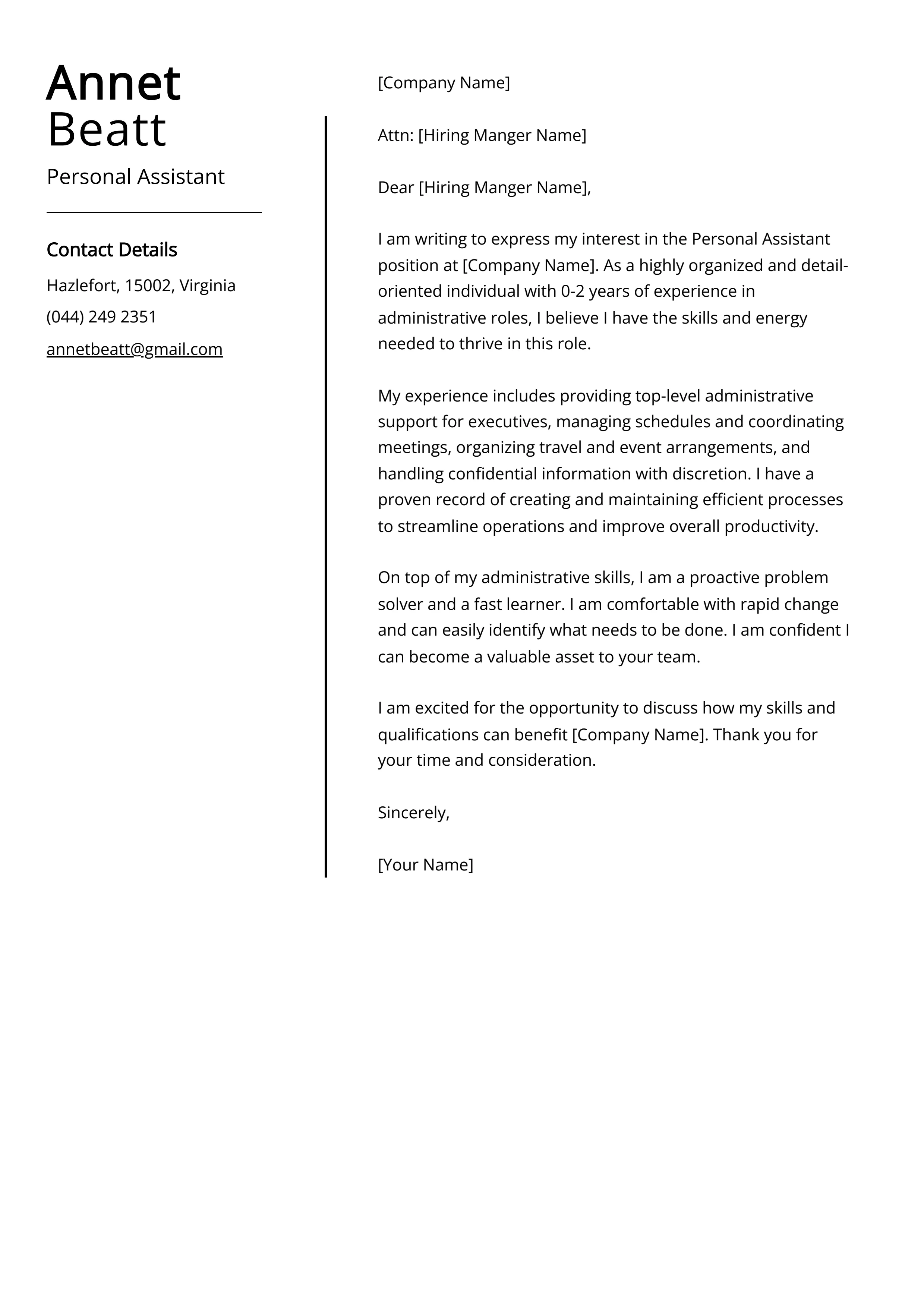
Reviewing HR Assistant cover letter examples can provide inspiration and guidance for crafting your own. Examining examples will help you understand how to structure your letter, what content to include, and how to effectively highlight your skills and experience. You can get a sense of how to present your qualifications effectively. You can adapt the examples to reflect your unique skills and experiences. Use them as a framework. Tailor your cover letter based on the samples you find online. By studying existing examples, you can develop a cover letter that successfully grabs attention and secures an interview.