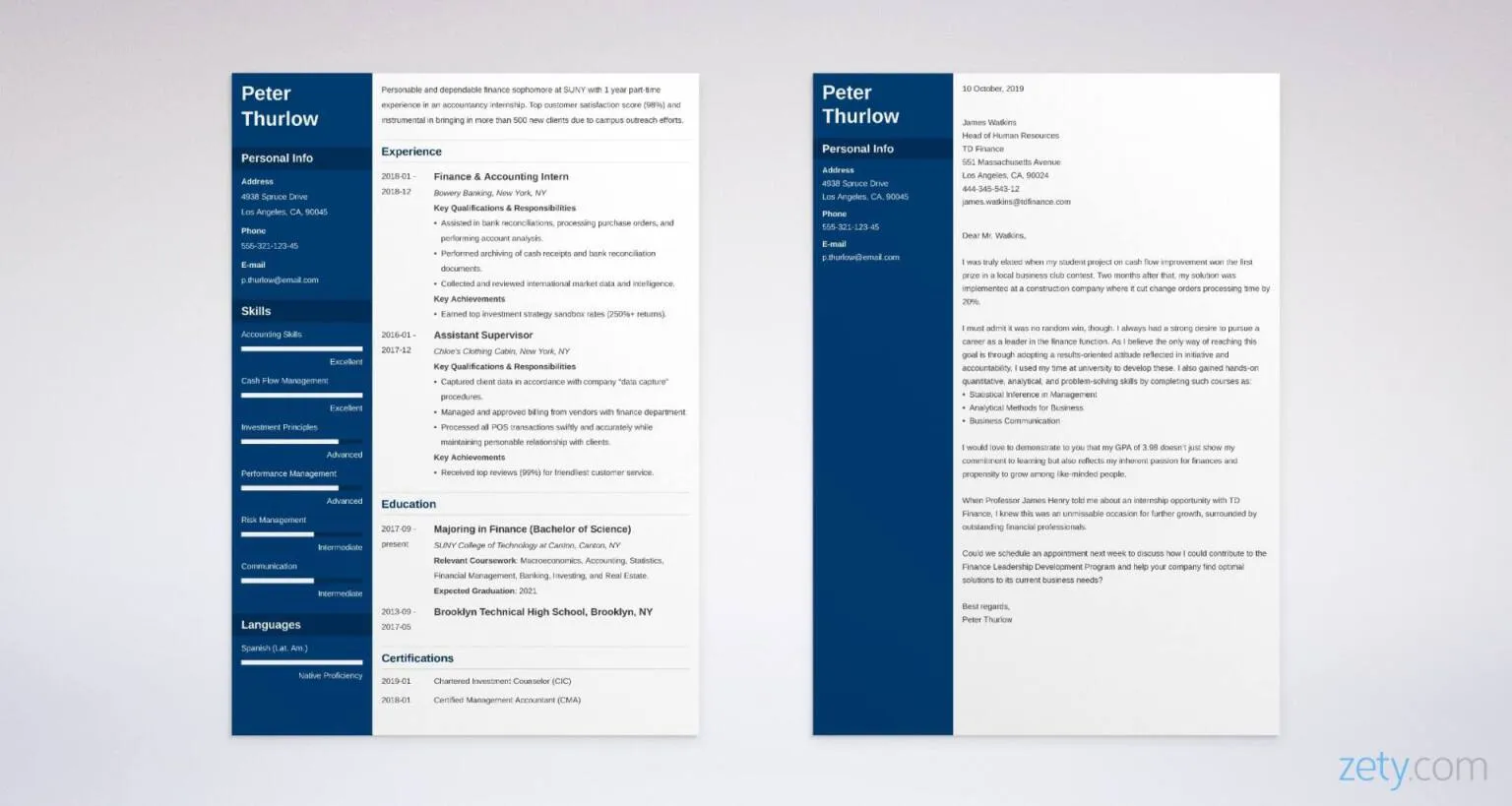
What is an Internship Cover Letter
An internship cover letter is a crucial document that accompanies your resume when applying for an internship position. It serves as your introduction to the hiring manager, providing a personalized overview of your qualifications, skills, and aspirations. Unlike a resume, which is a factual summary of your experience, a cover letter allows you to express your personality, enthusiasm, and specific interest in the role and the company. It’s your chance to make a strong first impression and persuade the reader to learn more about you. A well-crafted cover letter can significantly increase your chances of landing an interview.
Why is an Internship Cover Letter Important
The importance of an internship cover letter cannot be overstated. First impressions matter, and the cover letter is often the first thing a hiring manager sees. It demonstrates your communication skills, attention to detail, and genuine interest in the specific opportunity. A cover letter allows you to connect your skills and experiences directly to the internship’s requirements, showcasing how you can contribute to the company’s goals. Furthermore, it offers a chance to elaborate on your resume entries, providing context and depth that a resume alone cannot convey. By highlighting your personality, enthusiasm, and career goals, the cover letter helps you stand out from other applicants and makes you more memorable.
Key Components of a Winning Internship Cover Letter

Contact Information and Date
Begin your cover letter with your contact information at the top. Include your full name, phone number, email address, and optionally, your LinkedIn profile URL. Below this, include the date you are writing the letter. This ensures the hiring manager can easily reach you and provides a professional touch. Make sure your email address is professional and appropriate.
Hiring Manager’s Name and Title
Address your cover letter to a specific person whenever possible. Research the company’s website or use LinkedIn to find the name and title of the hiring manager or the person responsible for internships. If you cannot find a specific name, use a general title such as “Hiring Manager” or “Recruiting Team.” Addressing the letter to a specific person shows that you’ve taken the time to learn about the company and demonstrates your attention to detail.
Professional Salutation

Use a professional salutation, such as “Dear Mr./Ms./Mx. [Last Name],” if you know the hiring manager’s name. If you are unsure of the name, use “Dear Hiring Manager” or “Dear Recruiting Team.” Avoid informal greetings like “Hi” or “Hello.” The salutation sets the tone for the entire letter, so it’s important to be respectful and professional from the start.
Opening Paragraph
The opening paragraph is your first opportunity to grab the reader’s attention. State the specific internship you are applying for and where you found the job posting. Show your enthusiasm for the position and the company. Make your introduction concise, compelling, and clearly state your intention. A strong opening paragraph can immediately distinguish you from other applicants and motivate the hiring manager to read the rest of your letter.
Highlighting Your Interest and Enthusiasm
Express your genuine interest in the internship and the company. Explain what specifically attracts you to the role or organization. This can be through mentioning specific projects, values, or aspects of their work that resonate with you. Demonstrating your enthusiasm from the outset sets a positive tone and shows the hiring manager that you’re genuinely interested in the opportunity. This passion should be clear and reflect your excitement about the possibility of contributing.
Mentioning the Specific Internship

Clearly state the specific internship you are applying for. Mention the job title and, if possible, the reference number to ensure there is no confusion. This shows the hiring manager that you have carefully reviewed the job description and are targeting your application to the right opportunity. Including these details in your opening paragraph demonstrates your attention to detail and understanding of the role.
Body Paragraphs
The body paragraphs should elaborate on your skills, experience, and qualifications that align with the internship’s requirements. This is where you connect your experiences to the job description, showcasing your ability to succeed in the role. Use specific examples and quantifiable results to support your claims. This section is crucial for demonstrating your value and explaining why you are a strong candidate for the internship.
Showcasing Relevant Skills and Experience
Highlight the skills and experiences most relevant to the internship. Review the job description and identify the key skills and qualifications the employer is seeking. Then, explain how your past experiences have equipped you with these skills. Provide specific examples from your coursework, projects, volunteer work, or previous employment to illustrate your abilities. This helps the hiring manager understand how you will contribute to the company.
Quantifying Achievements and Results

Whenever possible, quantify your achievements and results. Instead of saying you “managed projects,” state how many projects you managed, the outcomes achieved, and any metrics that demonstrate success. For example, “Managed a team of five in a project that increased sales by 15%.” Numbers and specific results provide concrete evidence of your capabilities and make your claims more credible. It also shows the value you bring to the internship.
Aligning Skills with Internship Requirements
Carefully align your skills and experiences with the requirements listed in the internship job description. This shows that you understand the needs of the role and are prepared to meet them. Tailor your examples to match the specific requirements, highlighting the skills that the employer prioritizes. This targeted approach makes your cover letter more compelling and demonstrates your suitability for the position.
Closing Paragraph
The closing paragraph should reiterate your interest in the internship, express gratitude for the opportunity, and include a clear call to action. This final section is your last chance to make a positive impression and encourage the hiring manager to take the next step. Be concise, professional, and focused on your desire to contribute to the company.
Expressing Gratitude and Next Steps

Thank the hiring manager for their time and consideration. Show your appreciation for the opportunity to apply and express your enthusiasm for the internship. This shows respect and a positive attitude. Also, indicate your willingness to provide any additional information or to participate in an interview. Making it easy for the hiring manager to take the next step improves your chances.
Call to Action
Conclude with a clear call to action. This could be a statement such as, “I am eager to discuss my qualifications further in an interview.” Or, “I look forward to hearing from you soon.” Providing a call to action prompts the hiring manager to take the next step in the hiring process. This is the final message and should summarize your main intent.
Formal Closing and Signature
Use a formal closing such as “Sincerely,” “Respectfully,” or “Best regards.” Follow this with a space for your signature, if submitting a physical copy, and then type your full name below the signature space. If you are submitting an electronic cover letter, your typed name is sufficient.
Proofreading and Formatting

Proofreading and formatting are crucial aspects of your cover letter. Carefully proofread your letter for any grammatical errors, typos, or inconsistencies. Use a clear and easy-to-read font, such as Times New Roman or Arial, and maintain consistent formatting throughout the document. Ensure the letter is well-organized, with clear paragraphs and spacing. A polished cover letter reflects your attention to detail and professionalism. It also demonstrates your ability to communicate effectively, which is important for any internship.
Tips for Customizing Your Cover Letter
A generic cover letter is unlikely to impress a hiring manager. Customizing your cover letter for each internship application is essential. Tailoring your letter shows that you have taken the time to understand the specific requirements of the role and the company’s culture. This personalization increases your chances of standing out from other applicants and showcasing your genuine interest.
Researching the Company and Internship
Before writing your cover letter, research the company and the specific internship. Visit the company’s website, read about their mission and values, and learn about their recent projects. This research helps you tailor your letter to their specific needs and shows that you are genuinely interested in joining their team. Understanding the company’s culture and goals will allow you to align your skills and experiences with their priorities.
Tailoring the Letter to the Job Description

Carefully review the internship job description and identify the key requirements and qualifications. Use the keywords and phrases from the job description in your cover letter, and provide specific examples of how your skills and experiences meet those requirements. This targeted approach demonstrates that you are a good fit for the role. Highlighting how your skills align with their needs makes your letter more relevant and compelling to the hiring manager.
Using Action Verbs
Use strong action verbs to describe your skills and experiences. Verbs such as “managed,” “developed,” “implemented,” and “achieved” make your cover letter more dynamic and engaging. They help to paint a clear picture of your capabilities and accomplishments. Avoid passive language and instead use verbs that showcase your initiative and drive. Action verbs will help you to highlight your accomplishments and make your cover letter more persuasive.