What is a Marketing Internship Cover Letter?
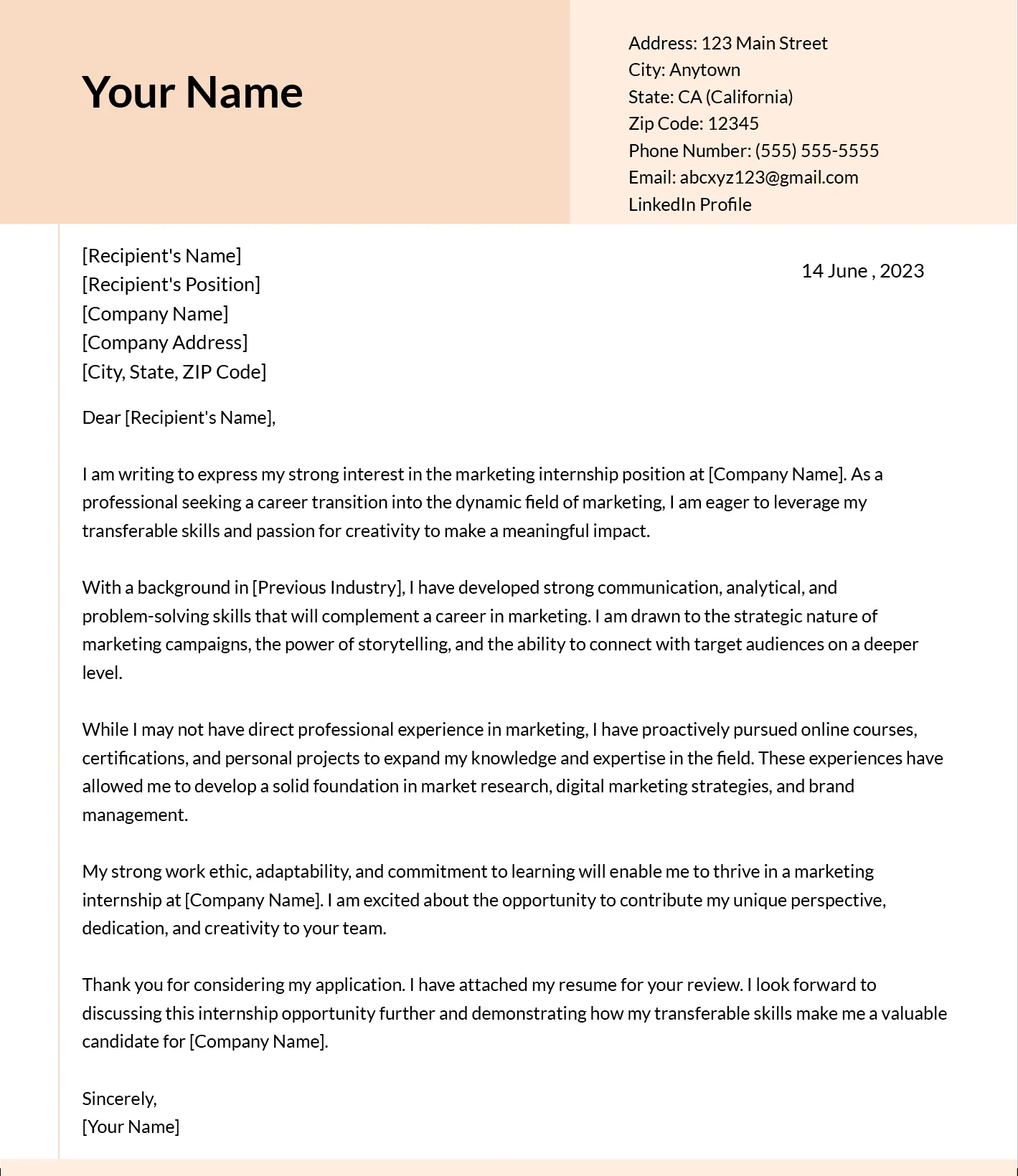
A marketing internship cover letter is a crucial document that accompanies your resume when applying for marketing internships. It serves as your first introduction to a potential employer, giving you the opportunity to showcase your skills, experiences, and enthusiasm for the role. Unlike your resume, which provides a summary of your qualifications, a cover letter allows you to express your personality, explain your motivations, and demonstrate how your unique skills align with the specific requirements of the internship. A well-crafted cover letter can significantly increase your chances of landing an interview and ultimately securing the internship.
Purpose of a Marketing Internship Cover Letter
The primary purpose of a marketing internship cover letter is to persuade the hiring manager that you are a strong candidate for the position. It goes beyond simply listing your qualifications; it provides context and shows how your skills and experiences can benefit the company. Your cover letter should highlight your passion for marketing, your understanding of the company’s goals, and your ability to contribute to their success. It should also demonstrate your communication skills and your ability to articulate your thoughts clearly and concisely. A strong cover letter can set you apart from other applicants and make a positive first impression.
Key Elements of a Marketing Cover Letter

A well-structured marketing internship cover letter includes several key elements that help you effectively communicate your qualifications and enthusiasm. These elements ensure that your cover letter is professional, informative, and persuasive. Properly formatted cover letters make a strong impression.
Your Contact Information
Begin your cover letter with your contact information at the top. This includes your full name, address, phone number, and email address. Make sure your email address is professional. Avoid using nicknames or unprofessional handles. This ensures the recruiter can easily reach you.
The Date
Below your contact information, include the date you are writing the letter. This helps the employer keep track of the application’s timeliness and provides context.
The Employer’s Contact Information

Next, include the employer’s contact information. This typically includes the name of the hiring manager (if known), their title, the company’s name, and the company’s address. Researching the hiring manager’s name shows initiative and attention to detail. If the name is not available, use a general greeting like “Dear Hiring Manager.”
Salutation
Start your letter with a professional salutation. If you know the hiring manager’s name, use “Dear Mr./Ms./Mx. [Last Name].” If you are unsure, use a general greeting such as “Dear Hiring Manager.” Avoid informal greetings like “Hi” or “Hello.”
The Introduction Paragraph
The introduction paragraph is your opportunity to make a strong first impression. It should immediately capture the reader’s attention and set the tone for the rest of your letter. This is where you hook the reader. Briefly introduce yourself and state the specific marketing internship you are applying for.
Express Your Interest and Enthusiasm

Clearly state your interest in the internship and express your enthusiasm for the company. Explain why you are excited about the opportunity and what specifically attracts you to the role or the organization. Show genuine excitement to make a great impression.
State Your Objective
Briefly state your objective for applying for the internship. Highlight what you hope to achieve and what you expect to gain from the experience. Mention how the internship aligns with your career goals. Frame your objective to benefit both you and the company.
The Body Paragraphs
The body paragraphs form the core of your cover letter. They should provide detailed information about your skills, experiences, and qualifications, demonstrating why you are a good fit for the internship. Focus on how your background aligns with the company’s needs.
Highlight Relevant Skills and Experiences

Identify the key skills and experiences that are relevant to the internship’s requirements. Provide specific examples of how you have used these skills in the past. Use action verbs to describe your accomplishments and responsibilities. Make sure your skills match the job description.
Showcase Your Achievements
Go beyond listing your responsibilities; showcase your achievements. Describe specific accomplishments and results you have achieved in previous roles or projects. Emphasize your contributions and how they benefited the organization or project. Demonstrate your ability to make a tangible impact.
Quantify Your Accomplishments
Whenever possible, quantify your accomplishments. Use numbers, percentages, or data to demonstrate the impact of your work. For example, if you improved social media engagement, mention the percentage increase. This adds credibility and makes your achievements more impactful. Quantifiable achievements always impress.
Tailor Your Cover Letter to the Internship

Customize your cover letter for each internship you apply for. Research the company and the specific role to understand their needs and expectations. Highlight the skills and experiences that are most relevant to the internship. Show that you have taken the time to understand the role and company culture. This shows effort.
The Closing Paragraph
The closing paragraph is your final opportunity to leave a lasting impression. It should reiterate your interest, express your availability, and include a clear call to action.
Reiterate Your Interest and Availability
Reiterate your strong interest in the marketing internship and the company. Thank the hiring manager for their time and consideration. State your availability for an interview and express your eagerness to discuss your qualifications further. Restate your interest.
Call to Action
End with a clear call to action. Encourage the hiring manager to contact you for an interview. Provide your contact information again, if necessary. Express your enthusiasm for the next steps in the application process. Make it easy for the hiring manager to contact you.
Formatting Your Cover Letter
Proper formatting is essential for a professional and readable cover letter. Formatting helps the reader to easily comprehend your points.
Font and Font Size
Choose a professional and easy-to-read font, such as Times New Roman, Arial, or Calibri. Use a font size between 10 and 12 points. Ensure consistency throughout the document. These choices enhance readability.
Margins and Spacing

Set your margins to 1 inch on all sides. Use single spacing within paragraphs and double spacing between paragraphs. These margins provide a clean and organized appearance. Proper spacing is key.
Proofreading and Editing
Proofreading and editing are critical steps in ensuring your cover letter is polished and error-free. Proofread to eliminate any errors.
Common Mistakes to Avoid
Avoiding common mistakes can significantly increase your chances of success. Be aware of these mistakes.
Grammar and Spelling Errors
Carefully proofread your cover letter for any grammar or spelling errors. Errors can detract from your professionalism and make a negative impression. Use a grammar checker and have a friend proofread. Make sure your letter is polished.
Generic Content
Avoid using generic content that could apply to any internship. Tailor your cover letter to the specific requirements of the role and the company. Show that you have put in the time and effort. Generic cover letters indicate a lack of interest.
Not Tailoring the Letter
Always tailor your cover letter to the specific internship you are applying for. Do not use a generic template. Research the company and the role. Show that you understand the position. This is a crucial element.
Cover Letter Examples
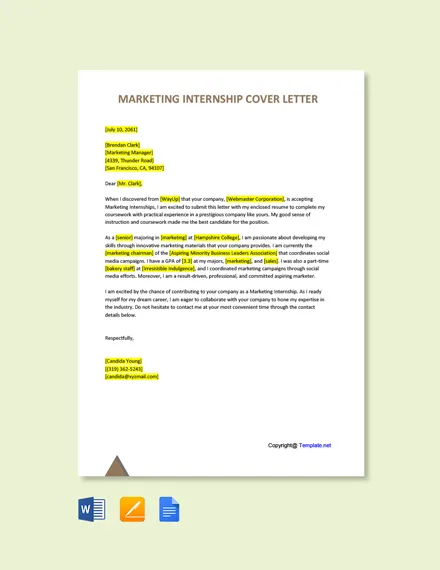
Reviewing cover letter examples can provide valuable insights and help you understand how to structure and format your own letter. Examples provide models to help craft your own letters.