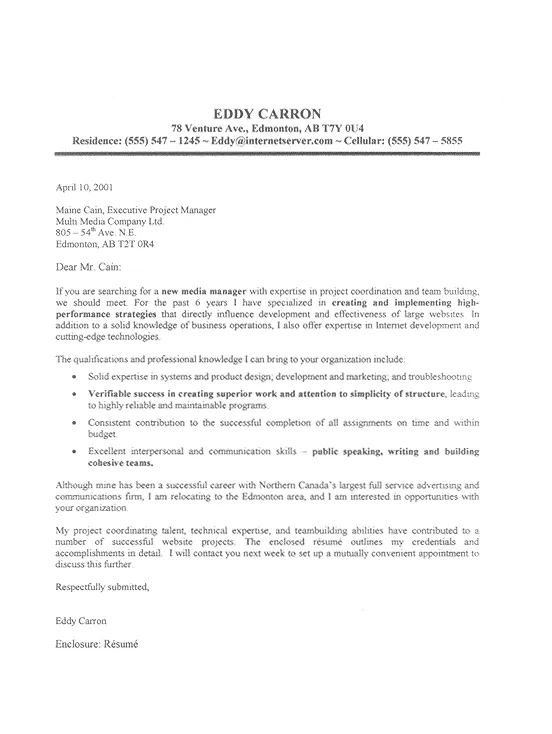
Why an IT Job Cover Letter Matters
In the competitive world of information technology, a well-crafted IT job cover letter can be the key to unlocking your dream job. Many applicants underestimate the importance of a cover letter, often simply re-hashing their resume. However, a strong cover letter is your chance to stand out, make a memorable first impression, and demonstrate your personality and passion for the role. A compelling IT job cover letter is not just a formality; it’s a powerful tool that can significantly increase your chances of landing an interview and ultimately, securing the job you want. It allows you to go beyond the bullet points of your resume and truly showcase why you’re the perfect fit for the specific IT position.
Highlighting Your IT Skills & Experience
Your IT cover letter is the perfect place to highlight your relevant skills and experience. Instead of simply listing your qualifications, delve deeper into how you’ve applied them in real-world scenarios. Mention specific projects you’ve worked on, challenges you’ve overcome, and the positive outcomes you achieved. When describing your experience, use action verbs to make your accomplishments more impactful. For example, instead of saying “Responsible for network administration,” try “Administered and optimized a network infrastructure, resulting in a 20% increase in network efficiency.” This approach immediately grabs the reader’s attention and provides concrete evidence of your abilities.
Focusing on Relevant IT Skills

Every IT job requires a unique set of skills. Before you start writing, carefully review the job description and identify the key skills the employer is looking for. Then, tailor your cover letter to emphasize those specific skills. If the job requires experience with cloud computing, highlight your experience with AWS, Azure, or Google Cloud. If the role demands expertise in cybersecurity, showcase your knowledge of network security protocols, vulnerability assessments, and incident response. Customizing your letter to match the job requirements shows the hiring manager that you’ve done your research and are genuinely interested in the position. By doing this you are already far ahead of the competition.
Quantifying Your Achievements
Whenever possible, quantify your accomplishments. Numbers speak louder than words, and they provide tangible evidence of your impact. Instead of saying “Improved system performance,” say “Improved system performance by 15% by implementing a new caching strategy.” Instead of saying “Managed a team,” say “Managed a team of 5 IT professionals, consistently exceeding project deadlines.” These concrete examples demonstrate your value and help the hiring manager understand the positive contributions you’ve made in previous roles. Remember to back up your claims with data whenever you can to illustrate your success, and to set yourself apart from other candidates.
Showcasing Your IT Projects
IT projects provide an excellent opportunity to showcase your skills and expertise. Describe specific projects you’ve worked on, highlighting your role, the technologies you used, and the results you achieved. If you have a personal portfolio or a GitHub repository, be sure to include a link in your cover letter. This allows the hiring manager to see your work firsthand. When discussing your projects, focus on the challenges you faced, the solutions you implemented, and the lessons you learned. This demonstrates your problem-solving abilities and your commitment to continuous learning, which are highly valued in the IT field. Be sure to write your letter in the correct format, following the proper structure to increase your chances of success.
Tailoring Your IT Cover Letter

One of the biggest mistakes job seekers make is sending the same cover letter to every company. To truly stand out, you must tailor each letter to the specific job and company. Research the company and the role thoroughly. Understand their mission, values, and the challenges they’re facing. Then, customize your cover letter to demonstrate how your skills and experience align with their needs. Address the specific requirements of the job description and explain why you’re the ideal candidate for this particular position. This personalized approach shows the hiring manager that you’re genuinely interested in the company and have taken the time to understand their needs. By tailoring your letters you will get more offers.
Matching the IT Job Description
The job description is your roadmap. Carefully review it and identify the keywords and phrases used to describe the required skills and qualifications. Then, incorporate those keywords into your cover letter naturally. This will help your application pass through Applicant Tracking Systems (ATS) and catch the attention of the hiring manager. However, don’t simply stuff your letter with keywords. Focus on using them in context, demonstrating how your skills and experience align with the specific requirements of the job. This ensures that your cover letter is both ATS-friendly and compelling to a human reader.
Addressing the Hiring Manager
Whenever possible, address your cover letter to the hiring manager or the person responsible for making hiring decisions. This shows that you’ve taken the time to research the company and are genuinely interested in the role. If you can’t find the hiring manager’s name, use a professional salutation such as “Dear Hiring Manager.” Avoid generic greetings like “To Whom It May Concern,” as they can make your letter feel impersonal. A personalized greeting immediately grabs the reader’s attention and demonstrates your attention to detail. This demonstrates that you did your homework, and increases your chances of getting an interview.
Proofreading Your IT Cover Letter

Typos and grammatical errors can immediately disqualify you from consideration. Before sending your cover letter, carefully proofread it for any mistakes. Use spell-check and grammar-check tools, but don’t rely on them completely. Read your letter aloud to catch any awkward phrasing or sentence structure issues. If possible, ask a friend or colleague to review your letter as a fresh pair of eyes can often spot errors that you might miss. A polished, error-free cover letter demonstrates your attention to detail and professionalism, which are essential qualities in the IT field.
Ensuring Perfect Grammar and Spelling
Grammar and spelling mistakes can easily undermine your credibility. They can create the impression that you are careless or inattentive to detail. Therefore, it’s crucial to ensure that your cover letter is free of any errors. Use a grammar checker like Grammarly to identify potential mistakes, but also manually proofread your letter. Pay close attention to punctuation, capitalization, and sentence structure. Ensure that your writing is clear, concise, and easy to understand. A well-written cover letter demonstrates your communication skills and attention to detail, which are essential for success in the IT industry.
Call to Action for IT Job Applicants
Always include a clear call to action in your IT cover letter. Tell the hiring manager what you want them to do next. For example, you can express your interest in an interview and provide your contact information. Make it easy for them to take the next step. Be enthusiastic and confident in your closing. Consider adding a sentence such as, “I am eager to discuss how my skills and experience can contribute to your team” or “Thank you for your time and consideration. I look forward to the opportunity to speak with you further.” A strong call to action encourages the hiring manager to take the next step, increasing your chances of landing an interview.
Expressing Your Enthusiasm

Show your enthusiasm for the role and the company. Explain why you’re excited about the opportunity and what you admire about the company’s work. Let your passion for IT shine through. This is your chance to demonstrate that you’re not just looking for a job, but that you’re genuinely interested in this particular position. This will make the hiring manager see how you can positively contribute to the business. Your enthusiasm and passion can make a huge difference. When you show you’re excited, you will be more likely to be called for the next stage of the interview process.
Following Up After Submission
After submitting your IT job cover letter and resume, follow up with the hiring manager or the recruiter. Send a brief email a week or two after applying to reiterate your interest in the position and inquire about the status of your application. This demonstrates your continued interest and proactive approach. If you haven’t heard back after a reasonable time, you can follow up again. However, avoid sending too many follow-up emails, as this can be perceived as pushy. A well-timed follow-up can remind the hiring manager of your application and increase your chances of getting noticed.
In conclusion, writing a compelling IT job cover letter takes time and effort, but it’s a worthwhile investment. By following these tips, you can create a cover letter that highlights your skills, experience, and passion for the role, increasing your chances of landing an interview and securing your dream IT job.