Essential Components of an IT Security Cover Letter
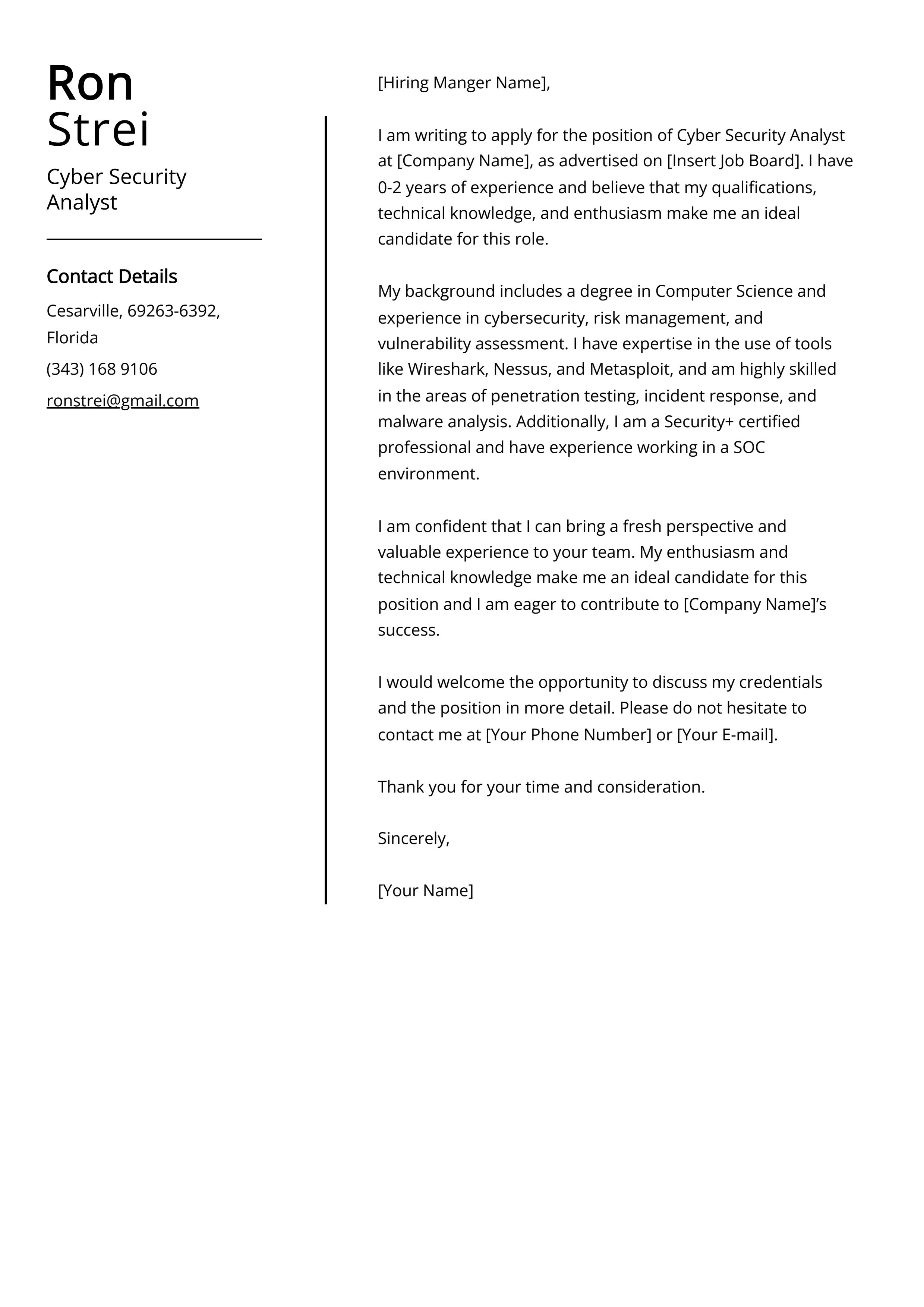
An effective IT security cover letter is your first opportunity to impress a potential employer. It’s not just a formality; it’s a crucial tool for showcasing your qualifications and personality. To make a great impression, ensure your cover letter includes all the essential components. Start with a professional header containing your contact information, and the date. Next, address the hiring manager directly if possible; if not, use a generic but polite salutation like “Dear Hiring Manager.” The body should concisely outline your relevant skills, experience, and why you’re a perfect fit for the role. Finish with a strong closing and a call to action. Each element plays a vital role in demonstrating your attention to detail and enthusiasm for the position. Make sure your cover letter is customized for each job application.
Highlighting Your IT Security Skills
Your IT security cover letter must effectively highlight your skills to catch the hiring manager’s attention. Don’t just list them; provide specific examples of how you’ve used these skills to achieve results. Tailor your skills to match the job description, emphasizing the most relevant ones. This section is where you demonstrate your value and convince the employer that you possess the necessary abilities to excel in the role. Make it easy for the reader to identify your key strengths and understand your potential contributions to their organization.
Technical Expertise

Technical expertise is the backbone of any IT security role. In your cover letter, you need to clearly state your technical skills. This includes your proficiency with security tools, such as firewalls, intrusion detection systems, and vulnerability scanners. Also, mention your experience with security protocols, encryption methods, and network security. Detail your experience with any relevant programming languages or scripting skills, such as Python or PowerShell, which can be valuable for automating security tasks and analyzing threats. Provide specific examples to showcase how you have used these skills in previous roles to protect systems and data.
Certifications and Training
Certifications are crucial in demonstrating your commitment to the IT security field and validating your knowledge. List all relevant certifications in your cover letter. Include the certification name, the issuing organization, and the date of certification or when you expect to receive it. Some common certifications to mention are CISSP, CISM, CEH, CompTIA Security+, or any vendor-specific certifications like those from Cisco or Microsoft. Besides certifications, mention any relevant training programs or courses you’ve completed that have enhanced your skills and knowledge. This will show employers that you’re up-to-date with the latest security practices and technologies.
Experience and Projects
Highlighting your past experiences and projects is essential to prove your practical abilities and how you have applied your skills in real-world scenarios. Focus on the projects and experiences that align with the specific requirements of the job. Use this section to bring your skills to life, and present your expertise in action. Provide concrete examples of your responsibilities, the challenges you faced, and the results you achieved. This is a place to showcase how your skills and experiences have directly benefited previous employers and how you can do the same for the hiring company.
Previous Roles and Responsibilities

Describe your previous roles and responsibilities in detail, especially those that are relevant to the job you’re applying for. Mention specific tasks and duties, such as managing security incidents, conducting risk assessments, or implementing security policies. Quantify your accomplishments whenever possible; for example, state how you reduced security incidents by a certain percentage or improved system uptime. Use action verbs to describe your contributions, such as “implemented,” “managed,” “analyzed,” or “secured.” This will give the hiring manager a clear understanding of your role and what you accomplished.
Project Examples and Achievements
Provide specific examples of projects you’ve worked on and the achievements you’ve made. Describe the scope of the project, your role, and the results. Quantify your achievements whenever possible to demonstrate the impact of your work. For example, “implemented a new security protocol that reduced data breaches by 30%.” Highlight any unique skills or technologies you used. Mention any awards or recognition you received for your work. Showing these examples of accomplishments will reinforce your capabilities and show potential employers what you can bring to their organization.
Showcasing Soft Skills
While technical skills are important, soft skills are equally vital in IT security. Highlight your soft skills in your cover letter to demonstrate your ability to work effectively in a team, communicate clearly, and manage projects. Employers look for well-rounded candidates who can adapt to various situations and contribute positively to the workplace. Soft skills showcase your interpersonal abilities and show how you work in collaboration with other colleagues. Make sure that these soft skills are relevant to the job description.
Communication Skills

Communication skills are very important in IT security. Being able to clearly explain technical concepts to non-technical stakeholders is critical. Highlight your ability to write detailed reports, present findings, and communicate effectively with both technical and non-technical audiences. Include examples of how you have communicated with different stakeholders to build consensus, report on issues, or explain security protocols. Mention any experience you have with public speaking, training, or creating documentation. Effective communication ensures everyone is informed, reducing misunderstandings and improving teamwork.
Problem-Solving and Analytical Abilities
IT security professionals need strong problem-solving and analytical skills to identify and mitigate threats. In your cover letter, emphasize your ability to analyze complex issues, identify root causes, and develop effective solutions. Describe situations where you have successfully investigated security incidents, implemented preventative measures, or resolved critical issues. Detail your skills in analyzing data, assessing risks, and making informed decisions based on evidence. This will show potential employers that you can solve problems effectively and contribute to the overall security posture of their organization.
Tailoring Your Cover Letter
Customizing your cover letter for each application is crucial for making a good impression. A generic cover letter that doesn’t align with the job description is easily recognized and often disregarded. Take the time to adapt your cover letter to each specific role, highlighting the skills and experiences that match the requirements outlined in the job posting. Demonstrating a keen understanding of the company’s needs shows that you’ve done your homework and are truly interested in the position. This also helps you to stand out among other applicants.
Researching the Company

Before writing your cover letter, research the company. Understand their mission, values, and recent projects. Show your knowledge of their industry and any specific security challenges they might face. This research will help you tailor your letter to their needs and demonstrate your genuine interest in the company. Find out about their recent news, initiatives, and any security incidents they have experienced. Use this information to address their specific needs and how you can contribute.
Addressing the Specific Job Requirements
Carefully read the job description and identify the key requirements, skills, and qualifications. Address these directly in your cover letter, providing examples of how your experience aligns with their needs. Use the same keywords and phrases from the job description to show that you understand what the employer is looking for. By tailoring your letter to the specific job requirements, you demonstrate that you are a good fit for the role and have the necessary skills to succeed.
Keywords and Phrases to Use
Incorporate relevant keywords and phrases from the job description into your cover letter. This not only helps you to match the job requirements but also helps your application pass through Applicant Tracking Systems (ATS). Keywords typically include technical skills, certifications, and specific job responsibilities. When describing your experience, use the same terms that the employer uses to emphasize your understanding of their needs. Strategically using keywords increases the likelihood of your cover letter being noticed and read by a hiring manager.
Formatting and Presentation

The presentation of your cover letter is as important as its content. A well-formatted, easy-to-read cover letter shows professionalism and attention to detail. Make sure your letter is visually appealing and that the text is clear and legible. Choose a professional font, maintain consistent formatting, and organize your content logically. Proper formatting makes it easy for the hiring manager to review your qualifications and appreciate your professionalism. Proper formatting is essential for making a great first impression and showcasing your professionalism.
Professional Tone and Style
Use a professional tone and style in your cover letter. Keep it concise, focused, and avoid overly casual language or slang. Maintain a positive and confident tone, highlighting your skills and experience without being boastful. Use proper grammar, punctuation, and spelling to present yourself as a detail-oriented professional. Ensure that your writing style reflects the workplace. The tone should demonstrate respect and a sense of professionalism.
Proofreading and Editing
Always proofread and edit your cover letter carefully before submitting it. Typos, grammatical errors, and inconsistencies can make a negative impression. Use a spellchecker, and then read your cover letter multiple times to check for mistakes. Consider having someone else review your cover letter to provide a fresh perspective and catch errors you might have missed. Proofreading ensures that your cover letter accurately reflects your skills and experience and helps to maintain your professional image.
Contact Information and Closing

Include your contact information at the top of your cover letter, including your name, phone number, email address, and LinkedIn profile URL. In the closing, express your interest in the position and your enthusiasm for the opportunity. Thank the hiring manager for their time and consideration and include a call to action. State that you look forward to hearing from them soon and are available for an interview. End with a professional closing, such as “Sincerely” or “Best regards,” followed by your name.
Common Mistakes to Avoid in Your IT Security Cover Letter
Avoiding common mistakes can significantly improve the effectiveness of your IT security cover letter. Many applicants make similar errors that can damage their chances of getting noticed. You will want to be mindful of these pitfalls, and avoid them when crafting your application. Knowing what mistakes to avoid and what to focus on will help you create a cover letter that stands out. Pay attention to the details, and be sure to proofread your work carefully.
Generic Cover Letters
Avoid using a generic cover letter that you send to multiple employers. This is the easiest way to get your application rejected. Hiring managers can easily tell when a cover letter isn’t tailored to the job or the company. Always customize your cover letter for each specific position, highlighting the most relevant skills and experiences. Research the company and show that you understand their needs. This personalization demonstrates that you are truly interested in the job and have the skills to contribute.
Typos and Grammatical Errors
Carelessly making typos and grammatical errors can reflect poorly on your professionalism and attention to detail. Always proofread your cover letter thoroughly and use a spellchecker. Better yet, have someone else review your letter for errors you may have missed. These errors create the impression that you are not careful, which is particularly problematic in IT security, where attention to detail is crucial. Double-check the spelling and grammar of the technical terms used in your cover letter.
Ignoring the Job Description
Failing to address the specific requirements outlined in the job description is a major mistake. Review the job description carefully and highlight the skills and experiences that match the employer’s needs. Use keywords and phrases from the job posting to show that you understand what the employer is looking for. If the description requires experience with a specific technology or skill, be sure to show your experience with it. Tailoring your cover letter to the job description will help your application stand out and increase your chances of getting an interview.
Call to Action
Include a strong call to action at the end of your cover letter. This invites the employer to take the next step and contact you. Express your interest in the position and reiterate your qualifications. Let the hiring manager know that you are available for an interview and look forward to discussing the opportunity further. This closing statement reinforces your enthusiasm and makes it clear that you are eager to move forward in the hiring process.