Why a Strong Legal Cover Letter Matters
In the competitive legal field, a well-crafted cover letter is your first impression. It’s more than just a formality; it’s your opportunity to showcase your personality, skills, and passion for the law. A strong legal cover letter complements your resume, providing context and depth that a list of qualifications alone cannot convey. It allows you to tell a story, demonstrating how your experiences align with the specific requirements of the position and the needs of the employer. Neglecting this crucial document could mean missing out on opportunities. A compelling cover letter grabs the attention of hiring managers and sets the stage for a successful application. It should not only highlight your accomplishments but also show genuine enthusiasm and a clear understanding of the role. A thoughtful, customized letter can significantly increase your chances of landing an interview.
Key Components of a Legal Cover Letter
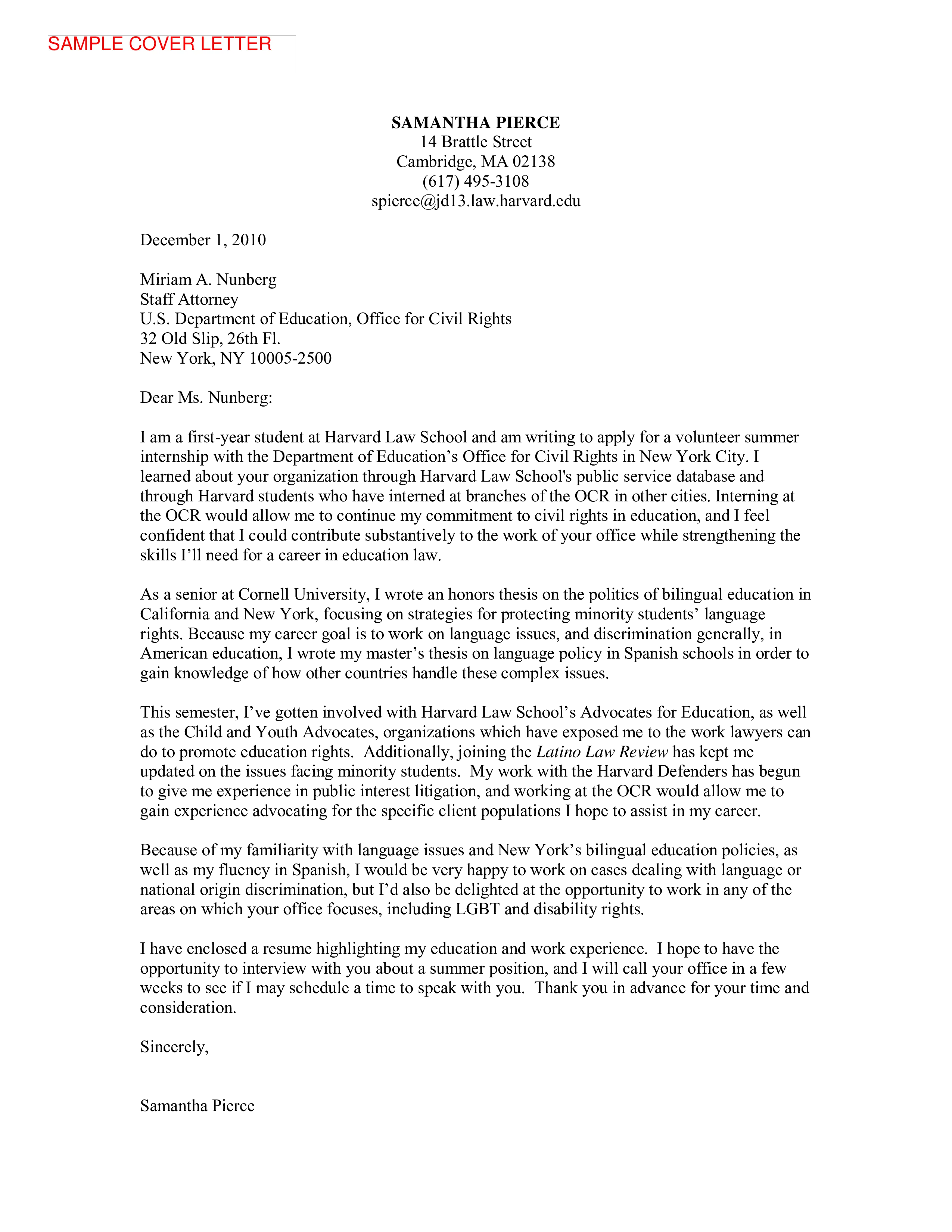
A successful legal cover letter includes several key components that work together to create a compelling narrative. Begin with your contact information, followed by the date and the employer’s contact information. Next, a professional salutation, such as “Dear Mr./Ms./Mx. [Last Name],” sets a respectful tone. The body of the letter should start with a strong opening statement that grabs the reader’s attention. The subsequent paragraphs should highlight your relevant skills and experience, focusing on accomplishments rather than merely listing duties. Demonstrate your knowledge of the legal field, showing that you understand the specific challenges and opportunities of the position. Show your personality and enthusiasm for the role, which makes you stand out from other applicants. Finally, include a clear and concise closing, expressing your interest in the position and your availability for an interview. Always proofread and edit your letter for errors.
Understanding the Structure and Format

The structure and format of your legal cover letter is crucial for readability and professionalism. Use a clean, easy-to-read font like Times New Roman, Arial, or Calibri, with a font size between 10 and 12 points. Maintain consistent margins of one inch on all sides. The letter should be single-spaced, with a blank line between paragraphs. Your cover letter should generally be no more than one page long. Divide your letter into distinct sections: an opening paragraph, 2-3 body paragraphs, and a closing paragraph. Each paragraph should address a specific point, using clear and concise language. Avoid jargon and complex sentence structures that might confuse the reader. Ensure proper grammar, spelling, and punctuation throughout the document. The format should demonstrate your attention to detail and your understanding of professional communication standards. This structure helps the hiring manager quickly grasp your qualifications and understand your suitability for the role.
Crafting a Compelling Opening
Your opening paragraph is the first – and sometimes only – chance to grab the reader’s attention. Instead of a generic greeting, start with a strong statement that immediately captures the reader’s interest. You might mention how you learned about the position, and then state your enthusiasm for it. Consider mentioning a specific achievement that aligns with the employer’s needs. Avoid clichés like “I am writing to express my interest.” Instead, be direct and express your interest in a concise, impactful manner. Clearly state the position you are applying for, and briefly explain why you are a good fit. The opening should demonstrate your understanding of the firm and its work. Tailor your opening to the specific job and employer, showing that you have done your research. A great opening paragraph sets the tone for the rest of your letter, signaling to the employer that you are a serious candidate.
Highlighting Your Relevant Skills and Experience
The body of your cover letter is where you demonstrate why you are the right candidate. Focus on your skills and experiences that are directly relevant to the job description. Don’t just list your responsibilities; describe your accomplishments and how you made an impact in previous roles. Use the STAR method (Situation, Task, Action, Result) to provide context and demonstrate your abilities. For example, instead of saying “Managed a team,” explain “Managed a team of five paralegals, successfully reducing case backlog by 15% within six months by implementing a new workflow system.” Quantify your achievements whenever possible. Adapt your skills and experience to the specific requirements of the role. Focus on your skills, such as legal research, writing, client communication, and litigation support, showcasing those most relevant to the position. Match the language from the job description to show that you understand the employer’s needs.
Demonstrating Your Knowledge of the Legal Field

Showcasing your knowledge of the legal field is vital to convey your suitability for a legal position. Demonstrate your understanding of legal principles, procedures, and current events in your letter. Mention any specialized knowledge related to the area of law relevant to the role, for instance, corporate law, family law, or criminal defense. Refer to legal publications, cases, or industry trends that are pertinent to the position. This shows that you are up-to-date with the field. Tailor your letter to the specific law firm or organization, showing you understand their practice areas and values. If possible, demonstrate your knowledge of the employer’s recent cases or initiatives. This will confirm that you’ve done your research. Such details confirm your interest, dedication, and commitment to the legal profession. Your deep understanding of the legal landscape sets you apart.
Showcasing Your Personality and Enthusiasm
While professionalism is important, allow your personality to shine through in your legal cover letter. Let your enthusiasm for the law, the role, and the firm or organization shine through. Avoid being overly formal; instead, write in a natural, engaging tone. Share what truly motivates you to pursue a career in law. Mention why you are excited about the specific position. If you have experience working on specific cases or causes, let the employer know. You want the hiring manager to get a sense of who you are as a person, not just a list of qualifications. You can reflect your personality through your word choice and the way you structure your sentences. By being authentic, you are more likely to make a positive impression and increase your chances of getting an interview. Enthusiasm and a genuine interest can make all the difference in an otherwise competitive field.
Legal Cover Letter Samples for Different Roles
The approach to a legal cover letter varies based on the role you’re applying for. Here’s a look at the typical structures and content for several key roles. Note that you will need to adjust and personalize based on your experience, accomplishments, and the specific requirements of each job. The key is to always customize each cover letter to the role you are applying for. Consider the target company or firm’s specific needs. Always align your skills with what the employer is looking for, and never just submit a generic cover letter. Tailoring your cover letter will highlight your qualifications, interest, and suitability.
Sample 1 Paralegal Cover Letter

A paralegal cover letter should highlight your organizational skills, attention to detail, and proficiency in legal research and document preparation. Showcase your experience with specific software or legal databases. You could mention your expertise in managing case files, drafting legal documents, and communicating with clients and other stakeholders. Be sure to tailor your letter to the specific needs of the law firm. Mentioning any experience in their practice areas will be useful. This will show that you have the relevant skills. Your letter should reflect your ability to assist attorneys and ensure smooth operations.
Sample 2 Entry-Level Legal Position Cover Letter
If you are applying for an entry-level legal position, emphasize your enthusiasm, academic achievements, and any relevant internships or volunteer experiences. Even without extensive work experience, you can highlight transferable skills, like strong writing, research abilities, and attention to detail. Describe your coursework or any projects where you were responsible for legal research, drafting, or other legal work. Explain how your experience has prepared you for the role. Express a strong desire to learn and contribute. Showcase your capacity to quickly learn and grow. Show how you are eager to gain experience in the legal field and contribute to the firm’s mission.
Sample 3 Law Clerk Cover Letter
A law clerk cover letter should highlight your legal knowledge, research abilities, and writing skills. Demonstrate your understanding of the legal system and any specific area of law relevant to the judge or firm. Mention relevant coursework, moot court experience, or legal publications. Tailor your letter to the specific judge or attorney you are applying to. Include any specific legal areas of expertise or interest. Emphasize your ability to conduct thorough legal research, analyze complex legal issues, and draft clear and concise legal documents. If you have assisted with cases, mention them. Show how you can help with their current projects. Mention why you are eager to work with a particular judge or firm.
Sample 4 Experienced Attorney Cover Letter

For an experienced attorney, your cover letter should showcase your significant accomplishments, specialized expertise, and leadership capabilities. Highlight your successes in previous roles, including cases won, clients served, and revenue generated. Quantify your achievements whenever possible. Mention any accolades or recognition you have received. If you have led a team, describe your management style and your team’s successes. Focus on what you have to offer the employer. This includes special skills. Express your enthusiasm for the role and firm. Customize the letter. Address the specific requirements of the position and describe how your experience aligns with their needs. If you have experience with any specific practice areas, make sure to include it.
Essential Tips for Legal Cover Letter Success
Several key strategies ensure that your legal cover letter stands out from the competition. These tips will enhance your application. Following these steps can dramatically improve your chances of getting an interview. These are all very valuable and important steps.
Proofread and Edit Meticulously
Carefully proofread and edit your cover letter to eliminate any typos, grammatical errors, or inconsistencies. Errors signal carelessness and a lack of attention to detail, which are detrimental in the legal field. Have someone else review your letter for a fresh perspective. Even minor mistakes can undermine your credibility. Ensure your letter is free of errors. Always check your spelling and grammar.
Customize Your Cover Letter for Each Application

Do not use a generic cover letter for all applications. Tailor each letter to the specific job and employer. Research the law firm or organization and demonstrate that you understand their mission, values, and practice areas. Use keywords from the job description to highlight your relevant skills and experience. This will show that you have taken the time to understand the role. This shows you have tailored your cover letter and are a strong candidate.
Use Action Verbs to Describe Accomplishments
Instead of passively listing your responsibilities, use action verbs to describe your accomplishments and quantify your achievements. For example, instead of writing “Responsible for legal research,” write “Conducted comprehensive legal research, resulting in a 10% increase in successful case outcomes.” These verbs will show how your previous actions have generated results. This will strengthen your impact. This helps demonstrate your impact.
Focus on the Employer’s Needs
The best cover letters focus on how your skills and experience can benefit the employer, rather than simply listing what you want. Frame your accomplishments in terms of the value you can bring to the organization. Explain how you can solve their problems. Research the employer’s needs and tailor your letter to address them. By showing the employer that you understand their challenges, you increase your chances of getting an interview.
Finalizing and Submitting Your Legal Cover Letter

Before submitting your legal cover letter, review it one last time to ensure it meets the requirements of the job application. Double-check that all contact information is accurate. If the job posting specifies a particular format or method of submission, carefully follow those instructions. Ensure your cover letter is formatted professionally and is easy to read. After submitting, follow up with the employer to confirm receipt of your application. You can also express your continued interest in the position. A well-crafted, carefully submitted cover letter significantly increases your chances of landing an interview and securing your desired legal position.