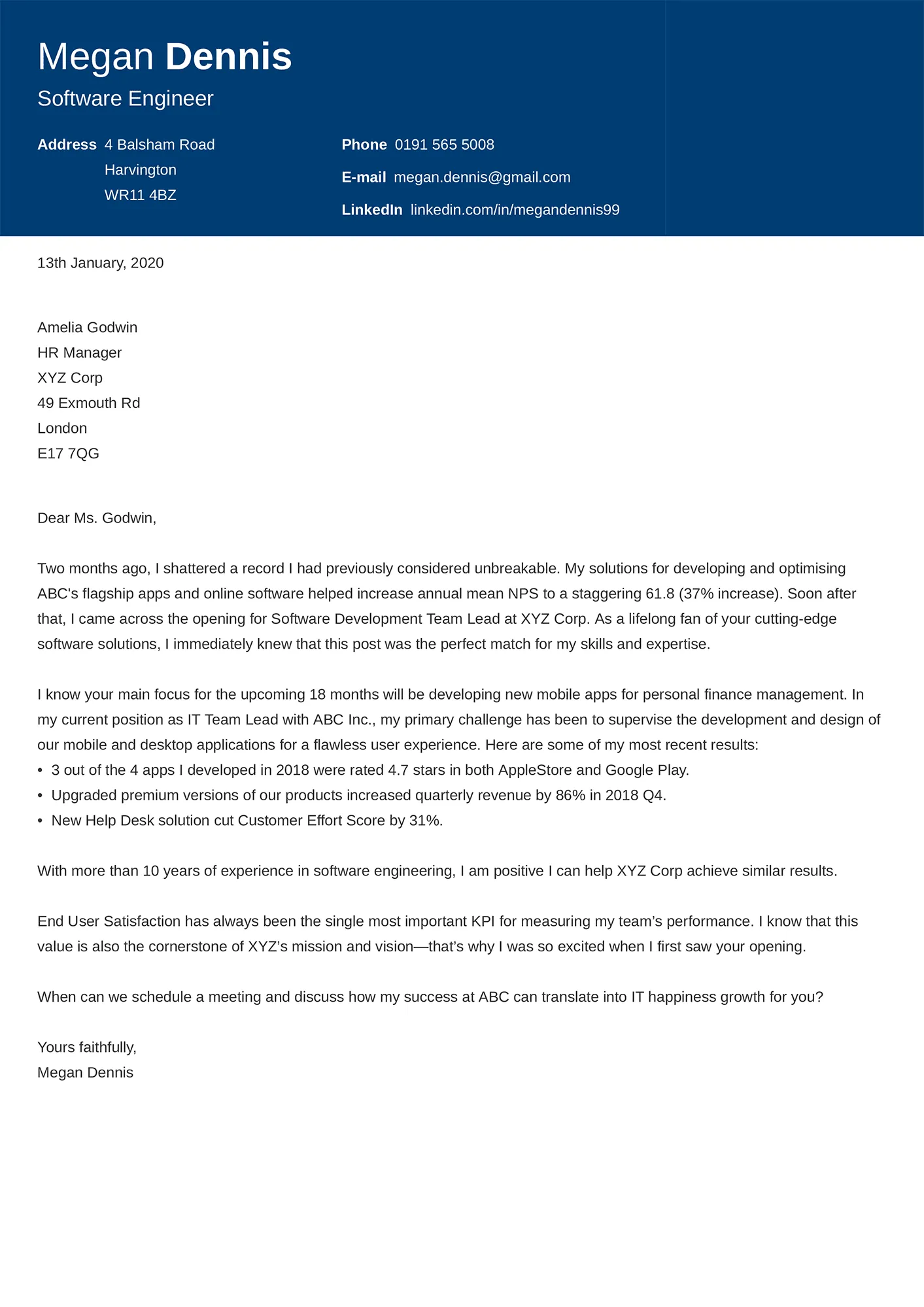
What is a LinkedIn Cover Letter?
A LinkedIn cover letter is a personalized message that accompanies your application, providing additional context and showcasing your qualifications beyond your resume. Unlike a traditional cover letter, a LinkedIn cover letter is often shorter and more focused, designed to quickly capture the attention of recruiters and hiring managers. It serves as your first impression, highlighting your skills, experience, and passion for the role. The goal is to differentiate yourself from other candidates and demonstrate why you are the perfect fit for the position. A well-crafted cover letter can significantly increase your chances of getting noticed and securing an interview. Remember, this is your chance to make a strong first impression and leave a lasting impact.
Why Do You Need a LinkedIn Cover Letter?
In today’s competitive job market, a LinkedIn cover letter can be the deciding factor in whether you land an interview or your application is overlooked. It allows you to personalize your application and connect with the hiring manager on a more personal level. A cover letter enables you to explain gaps in your resume, address specific job requirements, and highlight your unique value proposition. It provides an opportunity to showcase your personality, communication skills, and enthusiasm for the role. Without a cover letter, your application may appear generic and lack the personal touch necessary to stand out. Furthermore, many recruiters appreciate the initiative and attention to detail demonstrated by candidates who take the time to submit a cover letter. This proactive approach often signals a genuine interest in the position and the company.
How to Tailor Your LinkedIn Cover Letter

Customizing your LinkedIn cover letter is crucial for making a strong impact. Avoid using a generic template; instead, personalize each letter to the specific job and company. Start by researching the company’s mission, values, and recent news. Identify the key skills and qualifications mentioned in the job description and highlight how your experience aligns with their needs. Address the hiring manager by name, if possible, and demonstrate your understanding of their challenges and goals. Tailoring your cover letter shows that you have invested time and effort in the application, indicating your genuine interest in the role. Furthermore, use the company’s language and tone to create a more authentic connection. This level of personalization will set you apart from candidates who use a one-size-fits-all approach.
Highlight Your Achievements
Focusing on your achievements is more impactful than simply listing your responsibilities. Instead of stating what you did, quantify your accomplishments with data and results. Use the STAR method (Situation, Task, Action, Result) to provide context and demonstrate your impact. For example, instead of saying “Managed social media accounts,” say “Increased social media engagement by 30% in six months by implementing a new content strategy.” This approach showcases your ability to deliver results and adds credibility to your claims. Whenever possible, use numbers, percentages, or specific examples to illustrate your successes. By highlighting your achievements, you provide concrete evidence of your value and demonstrate your potential to contribute to the company’s success. Remember, recruiters are looking for candidates who can make a tangible difference.
Showcase Your Skills
Your LinkedIn cover letter is an excellent opportunity to highlight the skills most relevant to the job. Review the job description and identify the key skills the employer is seeking, both hard and soft skills. Then, provide specific examples of how you have utilized these skills in previous roles. For example, if the job requires project management skills, describe a successful project you led, emphasizing your ability to plan, organize, and execute. If the job emphasizes communication skills, provide examples of your effective written and verbal communication. Back up your claims with specific instances where you demonstrated those skills. Use action verbs to describe your skills in a dynamic and engaging way. Remember, the goal is to convince the hiring manager that you possess the necessary skills to excel in the role.
Demonstrate Your Passion

Hiring managers want to know why you are interested in the job and the company. Use your cover letter to express your enthusiasm for the role and demonstrate your genuine interest in the organization. Explain what excites you about the opportunity and how it aligns with your career goals. Share what you know about the company and why you admire their work. Make a personal connection by sharing your values or aspirations. A passionate cover letter shows that you are not just looking for a job but are genuinely invested in the company’s success. This kind of enthusiasm can make a significant difference in your application, setting you apart from other candidates who may seem less motivated. By showing your passion, you convey your commitment and drive.
Use Keywords Strategically
To ensure your cover letter gets noticed by applicant tracking systems (ATS) and recruiters, strategically incorporate keywords from the job description. Identify the most important skills, qualifications, and industry terms. Weave these keywords naturally into your writing, without overdoing it. The goal is to demonstrate that you have the required qualifications, making it easier for your application to pass through the initial screening process. However, don’t sacrifice readability for keywords. Focus on creating a compelling narrative that also highlights the key terms. Use a balance of specific and general terms to cover a wide range of relevant skills and experience. Carefully review the job description and integrate the appropriate keywords to increase the visibility of your application and enhance your chances of getting an interview.
Craft a Compelling Introduction
The introduction is your first and often only chance to make a positive impression, so make it count. Start with a strong hook that captures the hiring manager’s attention. Briefly state the position you are applying for and how you learned about it. Clearly express your interest in the role and the company. Highlight your most relevant skills or experiences that make you a strong candidate. Your goal is to immediately show why you are the best fit for the job. Avoid generic opening lines. Instead, personalize your introduction by mentioning something specific about the company or the role. The introduction should set the tone for the rest of your cover letter, demonstrating your enthusiasm and professionalism. Keep it concise and impactful, making the hiring manager want to read more.
Outline Your Relevant Experience

In the main body of your cover letter, provide a concise overview of your relevant experience. Focus on the skills, accomplishments, and responsibilities that align with the job requirements. Use the STAR method (Situation, Task, Action, Result) to structure your examples and demonstrate your impact. Quantify your achievements whenever possible. Avoid simply restating your resume; instead, elaborate on your experiences and explain how they make you a strong candidate. Tailor your content to the specific job requirements, focusing on the aspects of your experience that are most relevant. Provide clear and concise examples that highlight your ability to excel in the role. This section is crucial for showcasing your qualifications and demonstrating your potential for success.
Conclude With a Strong Call to Action
End your cover letter with a clear call to action. Express your interest in an interview and provide your contact information. Reiterate your enthusiasm for the role and the company. Thank the hiring manager for their time and consideration. This shows your proactiveness and reinforces your interest. Make it easy for the hiring manager to contact you by providing your phone number and email address. Reiterate that you are available for an interview at their earliest convenience. A well-crafted conclusion leaves a lasting impression, highlighting your commitment and professionalism, and ultimately increases your chances of moving forward in the hiring process. A strong call to action reinforces your interest in the role and makes it clear that you are ready to take the next step.
Proofread and Edit Your Cover Letter
Before submitting your LinkedIn cover letter, meticulously proofread and edit it. Check for any grammatical errors, typos, and formatting inconsistencies. Ensure your writing is clear, concise, and professional. Ask a friend or colleague to review your cover letter for feedback. A second pair of eyes can often catch errors that you may have missed. Proofreading demonstrates your attention to detail and commitment to quality. Errors can detract from your professionalism and undermine your chances of getting an interview. A well-edited cover letter reflects your professionalism and shows that you take pride in your work. Thorough proofreading is essential to ensuring that your application makes a positive impression.
Tips for Formatting Your LinkedIn Cover Letter

Formatting matters. Use a clear and easy-to-read font like Arial or Times New Roman. Maintain consistent font sizes and spacing throughout your cover letter. Keep your cover letter concise, ideally no more than one page. Use bullet points and short paragraphs to make it easy to scan. Break up long blocks of text with headings and subheadings to improve readability. This helps the hiring manager quickly grasp the key points. Proper formatting improves the overall presentation of your cover letter and makes it easier for the reader to focus on the content. A well-formatted cover letter looks professional and shows that you pay attention to detail, increasing your chances of getting noticed.
Examples of Effective LinkedIn Cover Letters
Reviewing examples of effective LinkedIn cover letters can provide inspiration and guidance. Look for examples that are tailored to specific job descriptions and demonstrate the points discussed earlier. Analyze how they introduce themselves, highlight achievements, showcase skills, and express passion. Pay attention to the formatting and language used. Experiment with different approaches to find what works best for you. Adapt the examples to your own experience and the specific job you are applying for. By studying these examples, you can gain insights into how to write a compelling cover letter that grabs the attention of hiring managers. Look for templates and examples online, but be sure to customize them to reflect your unique qualifications and the specific job requirements.
Mistakes to Avoid in Your LinkedIn Cover Letter
Several mistakes can negatively impact your cover letter. Avoid generic templates, as they lack personalization. Don’t simply restate your resume; provide additional context and insights. Steer clear of grammatical errors and typos. Don’t be overly long; keep your cover letter concise and focused. Avoid negative language or complaining about previous employers. Refrain from including irrelevant information or personal details. Don’t use jargon or overly technical language that the hiring manager may not understand. A poorly written or formatted cover letter can damage your credibility. By avoiding these common mistakes, you can significantly improve the quality of your cover letter and increase your chances of getting noticed.