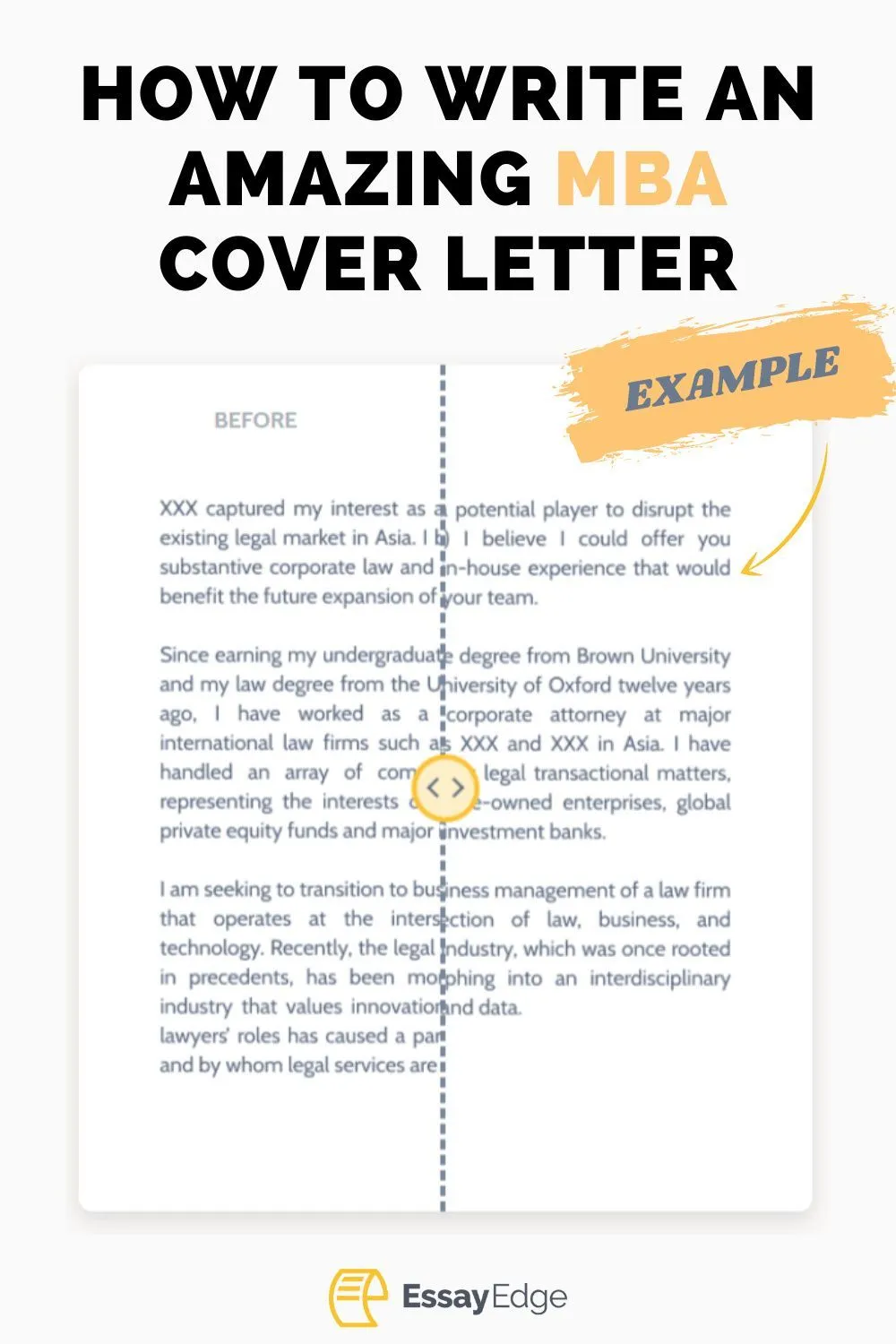
Crafting a Compelling MBA Cover Letter
An MBA cover letter is your first impression. It’s an opportunity to showcase your qualifications, enthusiasm, and fit for the role. Unlike a resume, a cover letter allows you to tell your story, explain career transitions, and highlight the skills and experiences that make you the ideal candidate. This guide will walk you through the key components, from understanding its purpose to avoiding common pitfalls, ensuring your cover letter stands out from the crowd.
Understanding the Purpose of an MBA Cover Letter
The primary purpose of an MBA cover letter is to introduce yourself and connect your qualifications to the specific job or opportunity. It’s not merely a repetition of your resume, but an expansion. The letter should demonstrate your understanding of the company, the role, and how your skills and experience align with their needs. It also allows you to articulate your career goals and why you are interested in this particular opportunity. A well-crafted cover letter can significantly increase your chances of getting an interview.
Highlighting Your Achievements and Skills

Focus on highlighting your key accomplishments and skills relevant to the job description. Don’t just list your responsibilities; demonstrate what you achieved in each role. Use action verbs to describe your contributions and quantify your results whenever possible. This could include increased sales, improved efficiency, or successful project management. Tailor your examples to align with the specific requirements of the job. The more concrete your examples, the more impactful your letter will be. Show, don’t just tell.
Structuring Your MBA Cover Letter
Structure is crucial for a successful MBA cover letter. A well-organized letter is easy to read and conveys your message clearly. The standard format includes an opening paragraph, several body paragraphs highlighting your key skills and experiences, and a closing paragraph that summarizes your interest and calls for action. Use clear headings to break up the text and guide the reader through your qualifications.
The Opening Paragraph Make it Count
Your opening paragraph is your chance to make a strong first impression. Start by stating the position you are applying for and where you found the job posting. Briefly mention your key qualifications or a compelling achievement that immediately grabs the reader’s attention. Show enthusiasm for the role and the company. A personalized opening that demonstrates you’ve done your research will set you apart from generic applications.
Showcasing Your Relevant Experiences

The body paragraphs should provide more detail about your relevant experiences. Select experiences that directly align with the job requirements and highlight the skills the employer is looking for. Use the STAR method (Situation, Task, Action, Result) to structure your examples, providing context and explaining what you did and what the outcome was. This approach helps the reader understand your contributions in a clear and concise manner.
Quantifying Your Accomplishments
Whenever possible, quantify your accomplishments. Instead of saying you ‘improved customer service,’ state that you ‘reduced customer complaints by 20%.’ Numbers provide concrete evidence of your abilities and make your achievements more impactful. Use percentages, dollar amounts, and other metrics to showcase the value you brought to previous roles. This helps the reader quickly understand the significance of your contributions.
Tailoring Your Letter to the Job
Every cover letter should be tailored to the specific job and company. Carefully read the job description and identify the key skills and qualifications the employer is seeking. Then, tailor your letter to address those requirements directly. Highlight the experiences and skills that match the job’s needs. Demonstrating that you’ve taken the time to understand the role and the company is a powerful way to show your genuine interest.
Highlighting Your MBA Goals

Clearly state your career goals and how this position fits into your overall plan. Explain why you are interested in this particular role and how it aligns with your long-term aspirations. Show that you understand the industry and the company’s place in it. Emphasize how your MBA has prepared you for this opportunity and how you can contribute to the company’s success. This shows the employer that you have a clear vision for your career and are motivated to succeed.
The Closing Paragraph A Call to Action
Your closing paragraph should summarize your interest in the position and reiterate your key qualifications. End with a clear call to action. Express your enthusiasm for an interview and provide your contact information. Thank the reader for their time and consideration. A well-crafted closing paragraph ensures that your application ends on a positive and memorable note, increasing your chances of getting an interview.
Key Elements to Include in Your MBA Cover Letter
Several key elements are essential for a compelling MBA cover letter. Highlighting relevant skills, demonstrating your achievements, and showing your understanding of the company and the role are crucial. Always tailor your letter to the specific job and company, and be sure to quantify your accomplishments whenever possible. Proofreading your letter for any errors is also essential.
Professional Formatting and Tone

Maintain a professional tone throughout your cover letter. Use formal language and avoid slang or jargon. Be concise and direct, getting straight to the point. Demonstrate enthusiasm and confidence, but avoid being overly aggressive. The tone of your cover letter should reflect your professionalism and your respect for the company and the hiring process.
Proofreading and Editing
Proofread your cover letter carefully for any errors in grammar, spelling, and punctuation. Typos and grammatical errors can undermine your credibility and make a negative impression on the hiring manager. Read your letter aloud to catch any awkward phrasing or sentences. Consider having a friend or career advisor review your letter before you submit it. A polished and error-free cover letter demonstrates your attention to detail and professionalism.
Formatting a Professional MBA Cover Letter
The formatting of your MBA cover letter is just as important as its content. A well-formatted letter is easy to read and presents your qualifications in a clear and organized manner. Choose a professional font, use appropriate spacing and margins, and include a clear header with your contact information.
Font Selection and Readability

Select a professional and readable font, such as Times New Roman, Arial, or Calibri. Avoid using overly decorative or unusual fonts that may be difficult to read. Use a font size between 10 and 12 points. Ensure that the font is consistent throughout the entire document. The readability of your letter is crucial for the hiring manager to quickly grasp your qualifications.
Header and Contact Information
Include a professional header with your name, address, phone number, and email address. You can also include a link to your LinkedIn profile. Make sure your contact information is accurate and up-to-date. This information should be easily accessible at the top of the letter. If you’re applying via email, ensure the subject line clearly states the position you’re applying for.
Spacing and Margins
Use standard margins (1 inch on all sides) and double-space between paragraphs. This helps the reader easily digest the information and gives the letter a clean, uncluttered look. Avoid using large blocks of text. Break up paragraphs and use bullet points to make the content more readable and visually appealing.
Common Mistakes to Avoid in Your MBA Cover Letter

Several common mistakes can undermine your MBA cover letter and damage your chances of getting an interview. These include using generic language, failing to personalize your letter, making typos, and ignoring the job description. Being aware of these pitfalls and avoiding them can significantly improve your application.
Generic Language and Lack of Personalization
Avoid using generic language that could be used in any cover letter. Tailor your letter to the specific job and company, and show that you have done your research. Avoid phrases like ‘I am a hard worker’ or ‘I am a team player.’ Instead, provide specific examples of your skills and achievements that demonstrate your value. Personalize your letter to show genuine interest.
Typos and Grammatical Errors
Typos and grammatical errors can make a negative impression and suggest a lack of attention to detail. Always proofread your cover letter carefully, and consider having a friend or career advisor review it before you submit it. Ensure your letter is free of spelling mistakes, grammatical errors, and punctuation errors.
Ignoring the Job Description
Failing to address the specific requirements listed in the job description is a common mistake. Read the job description carefully and highlight the skills and experiences that match the requirements. Tailor your letter to address those needs directly. Demonstrate that you understand the role and the company’s needs. Make sure you are answering the questions that are asked.