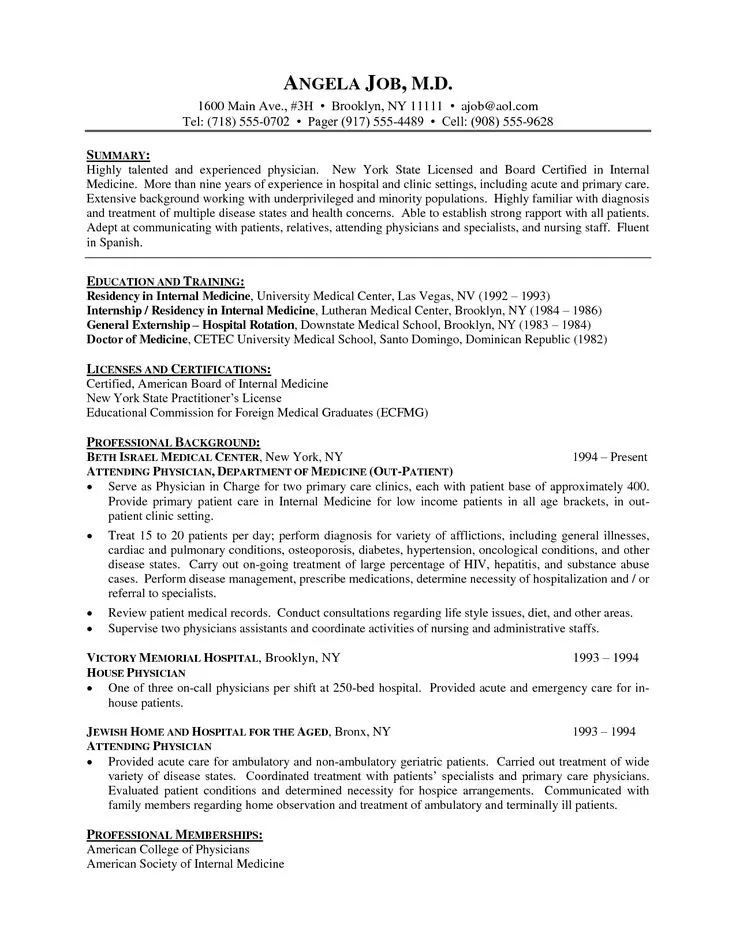
Why a Medical Resume Cover Letter Is Crucial
In the competitive field of medicine, a well-crafted medical resume cover letter is not just a formality; it’s a crucial tool that can significantly impact your job application’s success. While your medical resume provides a detailed overview of your qualifications, experience, and skills, the cover letter offers you a unique opportunity to connect with the hiring manager on a more personal level and demonstrate why you are the ideal candidate. It’s your chance to showcase your personality, passion for medicine, and specific interest in the role and the healthcare organization. Think of it as your personal introduction, designed to grab the reader’s attention and convince them to delve deeper into your resume. A strong cover letter can highlight achievements, clarify career goals, and address any potential concerns, giving you an edge over other applicants who might only submit a resume. It’s the first impression, and in medicine, where attention to detail is paramount, a well-written cover letter sets the tone for professionalism and competence.
Highlighting Your Medical Experience
Your cover letter is the perfect platform to showcase your medical experience in a way that’s compelling and relevant to the specific job. Instead of simply listing your past roles, use this space to elaborate on your responsibilities, the types of patients you’ve worked with, and the specific skills you’ve honed. Consider the key skills required for the position and weave examples of how you’ve utilized those skills in previous roles. For instance, if you are applying for a surgical position, you might describe your experience in a specific type of surgery, the number of procedures you’ve performed, and any unique challenges you’ve overcome. If the job description emphasizes teamwork, give an example of how you collaborated with a multidisciplinary team to improve patient outcomes. This approach goes beyond a simple recitation of facts; it tells a story that showcases your practical application of skills and your ability to contribute value to the healthcare team. Remember to use action verbs to make your descriptions more dynamic and engaging.
Quantify Your Achievements

Quantifying your achievements is a powerful technique to make your cover letter stand out. Numbers and data provide concrete evidence of your accomplishments, making your claims more credible and memorable. Instead of saying you ‘improved patient care,’ specify by how much – ‘decreased patient readmission rates by 15% within six months.’ Similarly, if you’ve been involved in research, mention the number of publications or presentations you’ve contributed to. If you have leadership experience, quantify the size of the team you led or the number of projects you managed. Quantifiable results demonstrate your impact and the value you can bring to the organization. This approach is particularly effective in healthcare settings where outcomes-based metrics are increasingly important. For example, you can mention how you reduced waiting times in the emergency room, improved patient satisfaction scores, or successfully implemented new treatment protocols. Always back up your claims with factual data that reflects your contributions and abilities.
Keywords to Include in Your Medical Cover Letter
Incorporating relevant keywords is essential for your medical cover letter to get noticed by both human readers and Applicant Tracking Systems (ATS). Carefully review the job description and identify the key skills, qualifications, and requirements the employer is seeking. Weave these keywords naturally throughout your cover letter, ensuring they accurately reflect your abilities. For instance, if the job description highlights ‘patient communication skills,’ ‘surgical expertise,’ or ‘proficiency in EMR systems,’ make sure these terms are present in your description of your experience and achievements. Using the same language as the job description increases your chances of passing through the initial screening process and reaching the hiring manager. It’s important, however, to use keywords judiciously. Avoid keyword stuffing, as this can make your letter sound unnatural and detract from your message. The goal is to subtly integrate these terms to highlight your qualifications and showcase your suitability for the role.
Understanding the Importance of Keywords
Keywords are not just buzzwords; they are critical elements that help employers quickly assess whether your skills and experience align with their needs. In today’s job market, many organizations use ATS to screen applications before they reach human eyes. These systems scan resumes and cover letters for specific keywords, and if your application doesn’t contain these words, it might be automatically rejected. Keywords help you to bypass the automated screening and ensures that your cover letter gets reviewed by a human being. When used effectively, keywords improve the visibility of your application and increase the chance of being selected for an interview. It’s a strategic approach to ensure your qualifications and skills are recognized. Make sure you use the keywords in their correct context and context that makes sense within the flow of your cover letter.
Researching Keywords for Your Specialty

Every medical specialty has its own set of commonly used terms and essential skills. Take the time to research the specific keywords relevant to your area of expertise. Consult professional websites, job boards, and specialty-specific journals to familiarize yourself with the current industry language. Look at job descriptions in your field and note the common terms employers use to describe desired skills and experiences. If you are in cardiology, terms like ‘echocardiography,’ ‘cardiac catheterization,’ or ‘arrhythmia management’ should be integrated. If you’re a pediatrician, keywords might include ‘child development,’ ‘vaccination protocols,’ or ‘pediatric emergency care.’ Knowing and using the right terminology demonstrates your understanding of the field and your ability to meet the job requirements. This targeted approach makes your application more tailored and professional, increasing your chances of success.
Formatting Your Medical Cover Letter for Impact
The format of your medical cover letter is crucial for making a positive first impression. A well-formatted cover letter is easy to read, professional, and visually appealing. Choose a clean, readable font like Times New Roman, Arial, or Calibri, and use a font size between 10 and 12 points. Ensure your letter is well-structured with clear headings and subheadings to guide the reader. Use bullet points to highlight key achievements and skills, making the information easier to digest. Maintain consistent formatting throughout the document. Include ample white space to avoid a cluttered appearance, and use concise paragraphs to keep the reader engaged. A well-formatted letter demonstrates your attention to detail and your respect for the reader’s time. It also helps you to present yourself as professional and competent, which are essential qualities in the medical field.
The Ideal Cover Letter Structure
A well-structured medical cover letter should follow a logical flow. Start with a strong opening that grabs the reader’s attention and clearly states the position you’re applying for. The body of the letter should highlight your relevant experience and qualifications, using specific examples to support your claims. Tailor this part to the job description, focusing on the skills and requirements that the employer values. Briefly explain why you’re interested in the specific role and the organization. End with a compelling conclusion that reiterates your interest, thanks the reader for their time, and includes a call to action, such as requesting an interview. Make sure the structure is simple and direct, which will provide the hiring manager with all the important information about you in a clear and concise manner.
Choosing the Right Tone and Style

The tone and style of your medical cover letter should be professional, respectful, and enthusiastic. Avoid using overly casual language or slang. Use a formal tone, appropriate for a professional setting. Show genuine interest in the role and the healthcare organization, and let your passion for medicine shine through. Be enthusiastic and confident in your abilities, but avoid being arrogant or boastful. Make sure your language is clear, concise, and easy to understand. Proofread carefully for any grammatical errors or typos, as these can undermine your credibility. A professional and well-written cover letter demonstrates your commitment to excellence and professionalism, which are highly valued in medicine. The appropriate tone and style can greatly improve your chances of making a positive impression on the hiring manager.
Tailoring Your Medical Cover Letter to Each Application
Avoid using a generic cover letter for every application. Tailoring your cover letter to each job is essential to demonstrate your genuine interest in the specific position and the organization. Research the healthcare organization and understand its mission, values, and specific needs. Customize your cover letter to address how your skills and experience align with those requirements. Highlight the most relevant aspects of your experience and how they meet the specific demands of the role. Show that you understand the organization’s unique challenges and how you can contribute to its success. This personalized approach shows that you are serious about the opportunity and have taken the time to understand the employer’s needs. Tailoring your letter makes you stand out from candidates who use a generic approach. The more effort you put into tailoring your letter, the higher your chances of success.
Analyzing the Job Description
The job description is your roadmap to a successful cover letter. Carefully read and analyze the job description to identify the key requirements, skills, and qualifications the employer is seeking. Take note of the specific responsibilities, required experience, and any preferred qualifications. This detailed analysis provides the basis for tailoring your cover letter. Make sure you highlight the specific skills and experiences that align with the job requirements. Use the same keywords and language used in the job description to demonstrate that you meet the employer’s needs. Address any specific requirements mentioned in the job description, such as experience with certain technologies or familiarity with particular medical protocols. The better you understand the job requirements, the better you can customize your cover letter to showcase your suitability.
Personalizing Your Cover Letter

Personalizing your cover letter goes beyond simply changing the job title and company name. It involves demonstrating a genuine interest in the organization and the specific role. Research the healthcare organization’s mission, values, and recent initiatives. Mention specific aspects that resonate with you and explain why you’re excited about the opportunity. Tailor your cover letter to highlight how your skills and experience align with the organization’s goals. Personalize your letter by mentioning any connections you have to the organization or its staff. Show how you envision yourself contributing to the team and the impact you can make. This level of personalization showcases your enthusiasm and your dedication to a career in medicine. This will help you stand out from the crowd.
Common Mistakes to Avoid in Your Medical Cover Letter
Avoid common mistakes that can undermine your cover letter and damage your chances of getting an interview. One of the most common errors is neglecting to tailor your cover letter to each specific job. Using a generic cover letter makes it appear that you’re not truly interested in the position. Make sure you don’t make careless errors such as typos and grammatical errors. It’s very important to provide accurate contact information and not include irrelevant information. It is also necessary to ensure that your cover letter is the right length and use a professional tone. A cover letter full of mistakes or the lack of personalization can reflect poorly on you. Always proofread your letter carefully, and seek feedback from trusted colleagues. The medical field requires precision and attention to detail, and your cover letter should reflect those qualities.
Grammar and Spelling Errors
Grammar and spelling errors can severely detract from your credibility. A cover letter with multiple errors gives the impression that you are careless and inattentive to detail. In the medical field, where precision is of the utmost importance, these errors can be particularly damaging. Always carefully proofread your cover letter before submitting it. Use a grammar checker to identify any errors. Have a colleague or mentor review your letter for a second opinion. Even small mistakes can make a big difference. Be vigilant about proofreading to ensure your cover letter presents a polished and professional image. Make sure every word is in its proper place and that the meaning is clear. Be careful with any medical terms to make sure you are writing them correctly.
Generic Cover Letters

Submitting a generic cover letter is a major mistake. Generic cover letters are not personalized and they do not show the applicant’s interest in the specific role or organization. They often sound vague and fail to highlight the applicant’s unique skills, experiences, and passion for the medical field. Hiring managers can easily identify generic cover letters. It is essential to show your interest in the organization and tailor the letter to meet the specific requirements of the job. This will improve your chances of getting noticed. Spend time researching the organization. Highlight specific aspects of the role that resonate with you. Doing so shows that you have put effort into the application process and that you are genuinely interested in the opportunity. It will improve the chances of your application moving forward.
Medical Resume Cover Letter: Final Checklist
Before submitting your medical resume cover letter, use a final checklist to ensure that you haven’t missed any critical steps. Make sure you’ve addressed the key requirements of the job description and have highlighted your most relevant skills and experiences. Verify that the tone and style of your cover letter are professional and appropriate. Review your cover letter for any grammatical errors, typos, or formatting inconsistencies. Confirm that you have included accurate contact information and have addressed the letter to the correct person. Make sure you have personalized your cover letter to show your genuine interest in the role and the organization. By following a final checklist, you can have confidence that your medical resume cover letter is well-written, compelling, and ready to make a positive first impression. This will increase your chances of securing that coveted interview and advancing in your medical career.
Proofreading Your Cover Letter
Proofreading is the last, but very important step. Read the cover letter carefully to identify any errors. Read the cover letter out loud to catch any awkward phrasing. Ask a friend or mentor to review your cover letter. Make sure you carefully proofread your letter for any grammatical errors. Double-check all the dates, names, and contact information. A polished and error-free cover letter demonstrates your attention to detail and reflects your commitment to excellence. By taking the time to proofread your cover letter thoroughly, you’ll improve your chances of making a positive impression. Make sure that all of the requirements have been met before submitting your application.