What is an Online Cover Letter
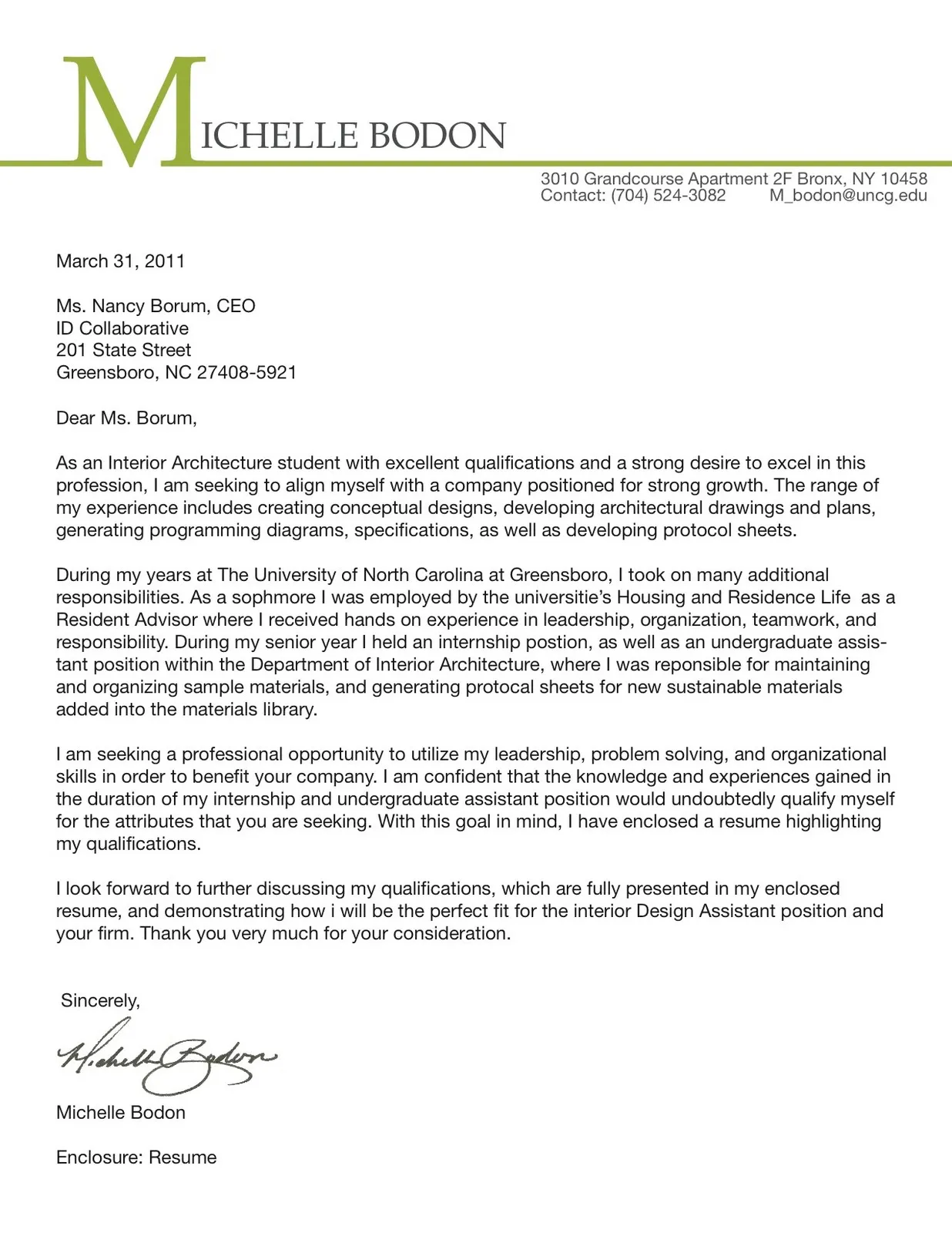
An online cover letter is a digital version of the traditional cover letter, specifically tailored for online job applications. It’s a crucial document that accompanies your resume, serving as your personal introduction to a potential employer. Unlike a physical letter, an online cover letter is often submitted electronically, either within the body of an email or as an attached document. It provides a space to elaborate on your qualifications, express your interest in the position, and highlight why you are the ideal candidate. Understanding its purpose is the first step in crafting a compelling online cover letter that captures attention and helps you land an interview.
Why is an Online Cover Letter Important
In the competitive landscape of online job applications, an online cover letter offers a unique opportunity to make a strong first impression. It goes beyond the confines of your resume, allowing you to showcase your personality, writing skills, and genuine interest in the specific role and company. A well-crafted cover letter demonstrates that you have taken the time to research the position and tailor your application accordingly. Moreover, it allows you to address any potential gaps in your resume, such as career changes or periods of unemployment, and provide context for your experiences. This level of personalization can significantly increase your chances of being noticed by recruiters and hiring managers.
Key Components of a Stellar Online Cover Letter

Creating a remarkable online cover letter involves incorporating essential elements. These components, when thoughtfully structured, can significantly enhance its effectiveness. Let’s delve into each of these important sections and explore the most efficient ways to use them, to improve the likelihood of your application being seen.
Contact Information Section
This section typically includes your full name, phone number, email address, and sometimes your LinkedIn profile URL. Ensure your contact information is accurate and up-to-date, as this is how potential employers will reach you. Place this section at the beginning of your cover letter, either at the top left or right corner.
Greeting and Salutation
Addressing the hiring manager or the specific person listed in the job posting demonstrates your attention to detail. Use “Dear Mr./Ms./Mx. [Last Name]” if you know the name. If not, a generic, yet professional, salutation like “Dear Hiring Manager” or “Dear [Company Name] Team” is appropriate. Avoid overly casual greetings.
Opening Paragraph Hook the Reader

Your opening paragraph is your chance to grab the reader’s attention. Briefly state the position you are applying for and where you found the job posting. Then, immediately highlight your most relevant skill or experience, or express your enthusiasm for the opportunity. This initial hook sets the tone for the rest of your cover letter.
Body Paragraphs Showcasing Skills
This is the meat of your cover letter. Use this section to elaborate on your key skills, experiences, and accomplishments that align with the job requirements. Provide specific examples and quantifiable results whenever possible, demonstrating how you have made a positive impact in previous roles. Tailor each paragraph to the specific requirements of the job, using keywords from the job description.
Closing Paragraph Call to Action
Summarize your interest in the position and reiterate your enthusiasm for the opportunity. Clearly state your intention to follow up or express your availability for an interview. Thank the hiring manager for their time and consideration, leaving a positive and memorable impression.
Formal Closing

End your cover letter with a professional closing such as “Sincerely,” “Best regards,” or “Thank you.” Follow this with your typed name, leaving space for your signature if you are printing the letter. Ensure the closing aligns with the overall tone of your cover letter.
Tips for Writing a Powerful Online Cover Letter
Crafting a powerful online cover letter that captures attention takes time and effort. These helpful insights will aid you in effectively communicating your message, increasing the likelihood of leaving a lasting positive impression, leading to a more successful job search.
Tailor Your Letter to the Job
Never use a generic cover letter. Customize each letter to the specific job description and company. Research the company’s values, mission, and culture, and demonstrate how your skills and experiences align with their needs. Use keywords from the job posting and provide specific examples of your accomplishments that demonstrate your fit for the role.
Highlight Relevant Skills and Experience

Focus on the skills and experiences that are most relevant to the job. Review the job description carefully and identify the key requirements. Then, select the most relevant examples from your background to showcase your abilities. Use the STAR method (Situation, Task, Action, Result) to provide context, explain the challenges you faced, describe your actions, and quantify the outcomes of your work.
Showcase Your Personality and Enthusiasm
While maintaining professionalism, allow your personality to shine through. Express your genuine enthusiasm for the position and the company. Share your career aspirations and explain why you are excited about this opportunity. This helps the hiring manager understand your passion and motivation, making your application more engaging.
Proofread and Edit Meticulously
Before submitting your cover letter, proofread it carefully for any errors in grammar, spelling, and punctuation. Ensure that your writing is clear, concise, and easy to read. Consider asking a friend or colleague to review your letter for a fresh perspective and to catch any mistakes you may have missed. A polished cover letter demonstrates your attention to detail.
Formatting and Presentation for Online Cover Letters

The presentation of your online cover letter is just as important as its content. Proper formatting enhances readability and makes a positive impression on the hiring manager. Pay close attention to these formatting essentials to ensure your cover letter is visually appealing and easy to navigate.
Font and Readability
Choose a professional and easy-to-read font, such as Arial, Calibri, or Times New Roman. Use a font size between 11 and 12 points. Ensure your text is well-spaced and uses appropriate margins to enhance readability. Avoid using overly stylized or distracting fonts.
File Format for Submission
Unless otherwise specified in the job posting, save your cover letter as a PDF file. This ensures that your formatting remains consistent across different devices and operating systems. If the job posting specifically requests a different file format, such as a Word document, follow those instructions.
Length Considerations

Keep your online cover letter concise and to the point. Aim for one page, unless explicitly requested otherwise. Focus on the most relevant information and avoid unnecessary details. Remember, the hiring manager is likely reviewing numerous applications, so make every word count.
Common Mistakes to Avoid in Online Cover Letters
While crafting your online cover letter, it’s essential to be aware of common pitfalls. Avoiding these mistakes will significantly improve your application and increase your chances of a positive outcome. Let’s delve into the most frequent errors and how to prevent them.
Generic Letters
Sending a generic cover letter is a major red flag. Hiring managers can easily spot a generic letter that is not tailored to the specific job or company. Always customize your cover letter to demonstrate your understanding of the role and your genuine interest in the opportunity. Conduct thorough research about the role and the company, and personalize your letter to reflect your understanding.
Typos and Grammatical Errors
Typos and grammatical errors can undermine your credibility and professionalism. Always proofread your cover letter carefully before submitting it. Use a spell checker and grammar checker, but also read your letter aloud to catch any errors that might be missed by these tools. Ask a friend or colleague to review your letter for a fresh perspective.
Overly Formal or Informal Tone
Strike a balance between professional and personable in your cover letter. Avoid being overly formal or using jargon that might alienate the reader. Also, avoid using overly casual language or slang. Your cover letter should reflect your professionalism and communication skills.
Conclusion
Writing a compelling online cover letter is a crucial step in your job search. By understanding the key components, following effective writing tips, and avoiding common mistakes, you can create a cover letter that grabs attention and helps you stand out from the competition. Remember to tailor your letter to each job, highlight your relevant skills and experience, showcase your personality, and always proofread carefully. With these secrets in mind, you’ll be well on your way to impressing potential employers and landing your dream job. Good luck!