What is a Pain Cover Letter
A pain cover letter, also known as a problem-solution cover letter, is a strategic approach to job applications. Unlike the traditional cover letter that simply lists your skills and experiences, a pain cover letter focuses on identifying and addressing the specific challenges or ‘pain points’ the potential employer is facing. This type of letter aims to demonstrate how your skills and experiences can directly solve these issues and contribute to the company’s success. It’s a proactive way to show that you understand the company’s needs and can offer concrete solutions. By highlighting how you can alleviate these problems, you position yourself as a valuable asset from the start.
Why Use a Pain Cover Letter
Using a pain cover letter can significantly boost your chances of getting noticed in a competitive job market. This approach immediately grabs the hiring manager’s attention by demonstrating that you have taken the time to understand their needs. It shifts the focus from what you want to what the company requires, making your application more relevant. By identifying and addressing the employer’s pain points, you showcase your problem-solving abilities and your understanding of their industry. This approach not only makes you stand out from other applicants but also shows that you are proactive and focused on delivering results. It also helps to tailor your application to match the job description.
Crafting the Perfect Pain Cover Letter
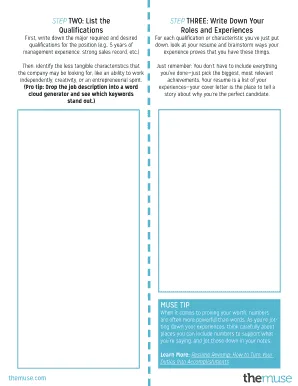
Crafting the perfect pain cover letter involves several key steps, from research and preparation to structuring your content effectively. Each element is crucial in ensuring your letter resonates with the hiring manager and effectively communicates your value proposition. The goal is to present yourself as a candidate who not only understands the company’s challenges but also has the skills and experience to address them. This approach makes your application compelling and increases your chances of securing an interview. A well-crafted pain cover letter goes beyond simply listing qualifications; it demonstrates how you can contribute to the company’s goals.
Research and Preparation
Before you start writing, thorough research is crucial. This means investigating the company’s recent activities, industry challenges, and any specific problems the job description highlights. Use the company’s website, social media, and news articles to gather insights. Try to identify the key performance indicators (KPIs) the company focuses on. Consider what the company may be struggling with, such as declining sales, high employee turnover, or inefficient processes. The goal is to understand the company’s current situation and the challenges they face. The more informed you are, the better you can tailor your cover letter to address their pain points and demonstrate your understanding of their needs.
Understanding the Job Requirements
Carefully analyze the job description to identify the essential skills and experiences required. Pay close attention to the language used; this can provide clues about the employer’s priorities and the problems they are trying to solve. Identify keywords and phrases that highlight the key responsibilities and desired qualifications. Determine which skills and experiences you possess align directly with these requirements. It is important to read between the lines and deduce what the company values most. By doing so, you can tailor your cover letter to address these specific requirements and demonstrate that you are a good fit for the position. This ensures that you can directly address the pain points the employer is trying to resolve.
Highlighting Relevant Skills

Once you understand the job requirements, list your skills and experiences that directly relate to those needs. This is where you can show how your abilities are a solution to the company’s problems. Quantify your achievements whenever possible. Use specific examples to demonstrate how you have used your skills to solve problems in the past. This could involve improving efficiency, increasing sales, or reducing costs in previous roles. It’s essential to focus on what makes you the right candidate. By highlighting relevant skills and accomplishments, you show the employer how you can address their pain points effectively. This detailed approach makes your cover letter both compelling and convincing.
Structuring Your Pain Cover Letter
Structuring your pain cover letter in a clear, concise, and logical way is essential to get your message across. A well-structured letter guides the reader through your points, making it easy to understand your value. It helps you to highlight your qualifications and how they match the company’s needs. The following sections will cover the opening, body paragraphs and closing. Each section must be carefully crafted to ensure your cover letter is both informative and persuasive. Effective structuring ensures your key points stand out, leaving a lasting impression on the hiring manager and increasing your chances of getting the job.
The Opening Paragraph
The opening paragraph is your first opportunity to make a strong impression. Start by stating the position you are applying for and where you found it. Then, immediately grab the reader’s attention by highlighting the specific pain point you intend to address. Briefly explain how your skills and experience can help solve that particular problem. Make it clear from the outset that you understand the company’s needs and are prepared to provide solutions. Keep the opening concise and focused, ensuring it sets the tone for the rest of your letter. A compelling opening immediately shows that you are prepared and ready to make a difference.
Body Paragraphs Showcasing Achievements

The body paragraphs are where you provide detailed examples of how you have solved similar problems in the past. Use the STAR method (Situation, Task, Action, Result) to structure your examples. Describe the situation, the task you faced, the actions you took, and the results you achieved. Quantify your achievements whenever possible. For instance, specify how you increased sales, improved efficiency, or reduced costs. Use the information you gathered in your research to relate your achievements to the employer’s specific pain points. By providing concrete examples, you build credibility and prove your ability to deliver results. The best examples match the key requirements from the job description.
Quantifying Your Accomplishments
Quantifying your accomplishments is a crucial part of making your pain cover letter convincing. Whenever you describe your past achievements, use numbers, percentages, and other specific metrics to demonstrate the impact of your work. For example, instead of saying ‘Improved customer satisfaction,’ state ‘Increased customer satisfaction scores by 15% within six months’. Use metrics that are relevant to the company’s key performance indicators and the job requirements. By quantifying your achievements, you provide tangible evidence of your abilities and illustrate your value to the prospective employer. Numbers add weight to your claims and make your cover letter stand out.
Addressing the Pain Points
The core of a pain cover letter is directly addressing the employer’s pain points. Use the knowledge you gained from your research to identify the challenges the company faces. Then, in the body paragraphs, explain how your skills and experience are directly applicable to solving these issues. Clearly state how you can alleviate these problems and help the company achieve its goals. Frame your skills as solutions. For example, if the company is struggling with declining sales, highlight your experience in sales strategies and provide specific examples of how you have increased sales in previous roles. Ensure your cover letter is tailored to the specific pain points you have identified.
The Closing Paragraph

In the closing paragraph, reiterate your interest in the position and your understanding of the company’s needs. Reiterate your ability to solve the pain points identified in the job description and your readiness to contribute to the company’s success. Include a call to action, such as requesting an interview to discuss your qualifications further. Keep it concise and professional. Thank the hiring manager for their time and consideration. Make sure the closing paragraph leaves a positive and lasting impression and reinforces your value as a candidate.
Proofreading and Editing
Before you submit your pain cover letter, carefully proofread and edit it for any errors. Check for grammatical mistakes, spelling errors, and typos. Ensure your language is clear, concise, and professional. Consider having a friend or career advisor review your cover letter for feedback. A polished and error-free cover letter demonstrates your attention to detail and professionalism. It also ensures that your message is conveyed accurately and effectively. Proofreading is a crucial step to make sure your cover letter is as impactful as possible. It is an essential step of the writing process.
Example of a Pain Cover Letter
To illustrate the concept, consider this brief example. If you were applying for a marketing role at a company facing declining website traffic, your opening might be: ‘Dear [Hiring Manager], I am writing to express my interest in the Marketing Manager position at [Company Name]. I understand that [Company Name] is experiencing a decline in website traffic, and I am confident that my expertise in SEO and content marketing can help reverse this trend’. Then, the body paragraphs would provide examples of how you have increased website traffic in previous roles, using specific metrics like percentage increases and examples of successful SEO campaigns. Finally, the closing would include a call to action to arrange an interview. Tailoring the letter like this can provide a stronger impact.