Crafting Your Part-Time Cover Letter
Securing a part-time job often requires more than just submitting a resume. A well-crafted cover letter can significantly boost your chances of landing an interview. It serves as your personal introduction, allowing you to highlight your skills, experience, and enthusiasm for the position. This guide provides a comprehensive overview of how to write a compelling cover letter tailored for part-time job applications. By following these guidelines, you can create a cover letter that effectively showcases your qualifications and makes a positive impression on potential employers. Remember, the goal is to stand out from the competition and demonstrate why you’re the ideal candidate for the role.
Understanding the Basics
Why a Cover Letter Matters

A cover letter is your first opportunity to make a strong impression. It’s where you can personalize your application and show your interest in the specific job and company. Unlike a resume, which provides a factual overview of your experience, a cover letter allows you to tell your story, explain why you’re interested in the position, and connect your skills and experience to the job requirements. In the competitive job market, a well-written cover letter can be the deciding factor in whether you move forward in the hiring process. It demonstrates your communication skills and attention to detail, both of which are valuable to any employer. This is especially true for part-time roles, where employers often look for candidates who are genuinely interested and enthusiastic.
Key Elements to Include
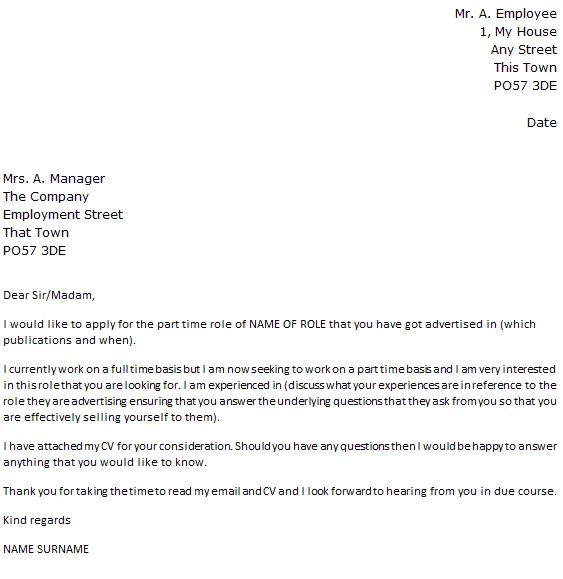
A successful cover letter includes several key elements. Start with a professional header including your contact information and the date. Address the hiring manager by name, if possible; this shows you’ve done your research. In the opening paragraph, state the position you’re applying for and where you found it. The body of the letter should highlight your relevant skills and experiences, providing specific examples of your achievements. End with a strong closing that reiterates your interest and includes a call to action, such as requesting an interview. Proofread carefully to ensure there are no grammatical errors or typos. Tailor each cover letter to the specific job and company, highlighting the skills and experiences most relevant to the position.
Highlighting Relevant Skills
Identifying Your Skills

Before you start writing, identify your skills. Consider both hard skills (e.g., computer proficiency, data analysis) and soft skills (e.g., communication, teamwork, problem-solving). Think about your previous experiences, both paid and unpaid, and what skills you developed in each role. Make a list of these skills and categorize them by relevance to the job you’re applying for. Consider the tasks and responsibilities outlined in the job description and how your skills align with these requirements. This self-assessment will help you tailor your cover letter to highlight the most relevant skills and experiences, making you a more attractive candidate. Remember to be specific; instead of saying you have ‘good communication skills,’ provide an example of how you’ve used these skills effectively.
Matching Skills to Job Requirements
Carefully review the job description and identify the skills and qualifications the employer is seeking. Then, match your skills to those requirements, using the job description as your guide. In your cover letter, provide concrete examples of how you’ve used these skills in previous roles or situations. For example, if the job requires customer service skills, describe a time when you successfully resolved a customer issue. Use the same keywords and phrases from the job description to demonstrate that you understand the role and are a good fit. This approach not only shows that you have the required skills but also proves that you can apply them effectively in a professional setting. Focus on the skills that are most critical for the position.
Showcasing Your Experience
Regardless of whether your experience is paid or unpaid, it’s essential to highlight relevant experiences that demonstrate your skills and qualifications. Even if you’re applying for an entry-level part-time job, you likely have experience that can be valuable. This could include volunteer work, school projects, extracurricular activities, or previous part-time jobs. Provide specific examples of your achievements and responsibilities in these roles. Quantify your accomplishments whenever possible; for instance, if you improved customer satisfaction, state the percentage increase. Show how your experience aligns with the job requirements, emphasizing what you learned and how you contributed. This demonstrates your ability to apply your skills and achieve results.
Formatting Your Cover Letter

Header and Contact Information
Start your cover letter with a professional header. Include your full name, contact information (phone number and email address), and the date. If you’re sending a hard copy, you can also include your mailing address. Ensure your email address is professional-sounding; avoid using nicknames or informal language. Below your contact information, include the hiring manager’s name and title (if you know it) and the company’s name and address. This shows you’ve paid attention to detail and have taken the time to personalize your application. Using the correct formatting and contact information ensures that the recruiter can easily reach you. It also gives a professional impression.
Body Paragraph Structure
Structure your body paragraphs to be clear and concise. Begin with an opening paragraph that states the position you’re applying for and where you saw the job posting. In the following paragraphs, highlight your key skills and experiences, providing specific examples to support your claims. Use the STAR method (Situation, Task, Action, Result) to describe your accomplishments. This method helps you provide a clear and compelling narrative. Keep your paragraphs focused on the job requirements and avoid irrelevant information. Break up large blocks of text by using short paragraphs and bullet points to improve readability. Aim for a well-organized and easy-to-follow format that keeps the hiring manager engaged.
Closing and Call to Action

End your cover letter with a strong closing paragraph that reiterates your interest in the position and company. Thank the hiring manager for their time and consideration. Include a clear call to action, such as requesting an interview or offering to provide further information. This shows your proactive approach and desire to move forward in the hiring process. Make sure your call to action is specific and easy to follow. Proofread your closing carefully to ensure there are no typos or grammatical errors. A well-written closing leaves a positive final impression on the hiring manager, increasing your chances of being considered for the part-time job.
Tailoring Your Letter
Researching the Company
Before writing your cover letter, research the company to understand its mission, values, and culture. This shows that you’re genuinely interested in working there and that you’ve taken the time to learn about the organization. Visit the company’s website, read news articles, and check social media profiles to gather information. Use this information to tailor your cover letter, demonstrating how your skills and experience align with the company’s goals. Mention specific projects or initiatives that resonate with you, and highlight your understanding of the company’s needs. This level of personalization demonstrates your commitment and makes your application stand out from the rest.
Customizing to the Job

Customize your cover letter to match each job description. Don’t use a generic cover letter for every application. Review the job description carefully and identify the key requirements and skills the employer is seeking. Highlight the skills and experiences that directly address these requirements. Use keywords and phrases from the job description throughout your cover letter to demonstrate that you’re a good fit. Provide specific examples to support your claims and show how you’ve used your skills in the past. Tailoring your cover letter shows that you’ve taken the time to understand the role and that you’re genuinely interested in the position.
Proofreading and Polishing
Proofreading and polishing your cover letter is crucial. Before submitting your application, carefully review your cover letter for any errors in grammar, spelling, and punctuation. Read your letter aloud to catch any awkward phrasing or run-on sentences. Ask a friend, family member, or career counselor to review your cover letter for feedback. Consider the tone and style of your writing; ensure it’s professional and appropriate for the job you’re applying for. A polished cover letter shows attention to detail and professionalism, leaving a positive impression on the hiring manager and increasing your chances of landing an interview.
Common Mistakes to Avoid
Avoid common mistakes when writing your cover letter. Do not use generic language; customize your letter to each job. Avoid typos and grammatical errors; proofread your letter carefully. Do not exceed one page in length; keep your letter concise and focused. Avoid rambling or including irrelevant information; stick to the most important details. Do not use a negative tone or criticize previous employers. Avoid exaggerating your skills or experience; be honest and accurate. By avoiding these mistakes, you can create a cover letter that highlights your qualifications and increases your chances of getting hired.
Finalizing Your Cover Letter
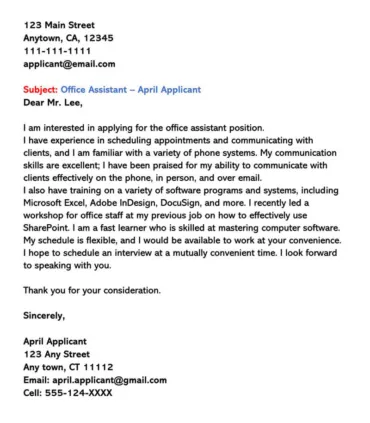
After writing and editing your cover letter, take a final look to ensure it is perfect. Confirm that all contact information is accurate. Verify that the letter is addressed to the correct person. Make sure the content is tailored to the specific job requirements. Check again for any grammatical or spelling errors. If possible, save your cover letter in a PDF format to maintain its formatting and prevent any layout issues. With a well-crafted cover letter, you are significantly increasing your chance of being selected for your dream part-time job and helping you get a foot in the door and ultimately succeed.