Why a Cover Letter Matters for Preceptorship
In the competitive world of nursing, securing a preceptorship is a critical step in your education. It provides the hands-on experience and practical skills necessary to excel in your future career. A well-crafted cover letter is your first introduction to potential preceptors, giving you the opportunity to make a strong impression and set yourself apart from other nursing students. It’s a chance to showcase your skills, passion, and aspirations, demonstrating why you’d be a valuable asset to their team. A compelling cover letter can significantly increase your chances of getting noticed and landing the preceptorship that aligns with your career goals. Don’t underestimate its importance; it’s your personal marketing tool, so make it count.
Highlighting Your Nursing Skills
Your cover letter should effectively highlight your nursing skills, demonstrating to potential preceptors that you possess the necessary capabilities to succeed in their clinical setting. Begin by identifying the core nursing skills relevant to the specific preceptorship you’re applying for. Then, provide concrete examples from your academic and clinical experiences that illustrate your proficiency in these areas. This might include specific patient care tasks, such as medication administration, wound care, or patient assessment. It’s crucial to be specific and provide details that showcase your abilities. Use action verbs and quantify your achievements to make your skills more impactful and memorable. For instance, you could mention the number of patients you’ve assisted or any successful interventions you’ve performed, backing your claims with examples and demonstrating proficiency.
Clinical Skills to Mention

When highlighting your clinical skills, focus on those most relevant to the preceptorship’s specialty and the preceptor’s focus. For example, if you’re applying for a preceptorship in the ICU, you’ll want to emphasize skills like critical care assessment, ventilator management, and interpreting lab results. If it’s in pediatrics, mention skills like developmental assessment, administering medications to children, and communicating with parents. Be specific and provide examples. If you have experience with a particular type of equipment or procedure, be sure to include that. Moreover, mention any certifications or training you’ve received, such as BLS, ACLS, or specific courses related to the specialty. Showing a willingness to learn and adapt is also important. This demonstrates your commitment to providing high-quality patient care and your preparedness to tackle new challenges.
Soft Skills to Showcase
While technical skills are important, don’t overlook the importance of soft skills. These are essential for effective communication, teamwork, and patient care. Highlight your abilities in areas like communication, empathy, critical thinking, problem-solving, and adaptability. Provide examples of how you have used these skills in previous clinical settings or academic projects. For example, describe a time you had to explain a complex medical concept to a patient or their family, demonstrating your ability to communicate clearly and empathetically. Or, discuss an instance where you successfully collaborated with a healthcare team to solve a patient’s problem, showcasing your teamwork and problem-solving abilities. Showcasing these soft skills in your cover letter can demonstrate your potential to be a well-rounded and effective nurse who works well with others and provides excellent patient care.
Tailoring Your Cover Letter
A generic cover letter is a sure way to end up in the reject pile. To get noticed, your cover letter must be tailored to each specific preceptorship opportunity. This requires doing your homework and understanding the needs and values of the clinical site and the preceptor. Research the healthcare facility, its mission, values, and the specific unit or department where the preceptorship is offered. Identify any unique aspects of the site and the preceptor’s expertise that resonate with your interests and career goals. Customize your cover letter to reflect your understanding of their requirements and explain how your skills and experiences align with their needs. Mention the specific preceptor’s name (if known) and address your letter to that individual, which shows that you’ve taken the time to learn about the opportunity and are genuinely interested.
Researching the Placement Site

Thoroughly research the healthcare facility where you’re seeking a preceptorship. Visit their website, read online reviews, and explore their social media presence to understand their mission, values, and the services they offer. Learn about the specific unit or department you’re interested in. Find out what types of patients they serve, the procedures they perform, and the technology they use. Look for any recent news, awards, or initiatives that the facility has undertaken. This research provides you with valuable insights that you can incorporate into your cover letter. When you demonstrate that you understand the site’s operations and goals, it showcases your genuine interest and initiative. It also allows you to customize your letter, highlighting how your skills and experiences align with the facility’s specific needs, making you a more appealing candidate.
Customizing to the Preceptor’s Needs
Once you’ve researched the facility, focus on customizing your cover letter to the preceptor’s needs. If possible, find out about the preceptor’s professional background, research interests, or areas of expertise. This information can be gleaned from the facility’s website, nursing directories, or even social media platforms like LinkedIn. Tailor your letter to align with the preceptor’s focus by mentioning their work and highlighting the relevant skills and experiences you possess that align with their goals. For instance, if the preceptor is known for their work in wound care, you might emphasize your experience in this area, or if they have a specialty focus, align your experience with their focus. Demonstrating your understanding of the preceptor’s role, and the opportunity to work with them, shows initiative and highlights that you’re willing to learn and grow under their guidance.
Structure of a Preceptorship Cover Letter
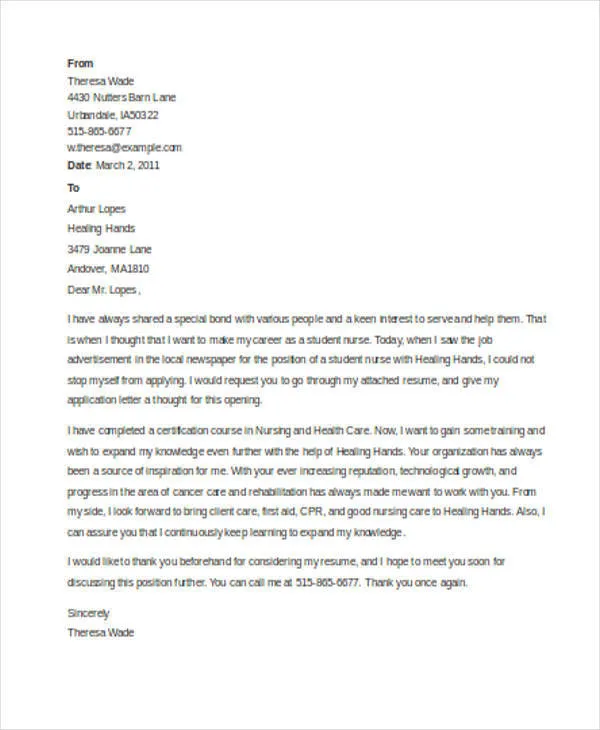
A well-structured cover letter is critical for making a positive first impression. A cover letter generally follows a professional format that includes a header, an opening paragraph, body paragraphs, and a closing paragraph. Each section serves a specific purpose in conveying your qualifications, passion, and suitability for the preceptorship. By structuring your cover letter thoughtfully, you can effectively communicate your skills and experiences and demonstrate your professionalism. The clear and organized presentation ensures that your key points are easily accessible and engaging for the reader. A clear structure will also ensure you cover all the important areas and leave a lasting impression.
Header and Contact Information

The header of your cover letter should include your full name, address, phone number, and professional email address. Ensure your email address is professional and appropriate. The date should be included below your contact information, followed by the preceptor’s name, their title, and the healthcare facility’s address. This is the first impression you make, so accuracy and professionalism are crucial. Check the contact information carefully to avoid any errors. Using a clear and easy-to-read font is recommended. Ensure that your contact information is easily accessible, making it simple for the preceptor to reach you for an interview or further communication.
Opening Paragraph: Grab Attention
Your opening paragraph is your first opportunity to grab the reader’s attention and make them want to continue reading. Start with a strong statement that captures your interest in the preceptorship and expresses your enthusiasm. If you have a connection to the facility or the preceptor, mention it here. Briefly introduce yourself and state your nursing program and year. Then, make a clear statement about why you are applying for the preceptorship. Explain your career goals and how this preceptorship aligns with them. This paragraph should immediately establish your purpose and demonstrate your motivation, and it should convey your unique value proposition.
Body Paragraph 1: Skills and Experience
This is the section where you highlight your most relevant skills and experience. Mention skills like patient assessment, medication administration, wound care, or any other clinical skills relevant to the preceptorship. Include specific examples from your clinical rotations or previous experiences to illustrate your capabilities. For instance, describe a situation where you demonstrated effective communication, problem-solving, or critical thinking skills. Use action verbs to describe your actions and quantify your achievements whenever possible. For example, instead of saying “assisted with patient care,” you could say “assisted in caring for 10 patients daily, including administering medications, monitoring vital signs, and documenting patient progress.” Make the paragraph concise and easy to read, while showcasing your capabilities.
Body Paragraph 2: Passion and Goals

In the second body paragraph, focus on demonstrating your passion for nursing and your specific career goals. Describe why you are interested in this particular preceptorship and how it aligns with your long-term professional aspirations. Explain your commitment to nursing, and the types of patients or clinical areas that particularly interest you. Highlight your enthusiasm to learn and grow in the chosen specialty. Mention any specific goals you hope to achieve during the preceptorship, such as gaining experience with a particular procedure or developing skills in a specific area. Explain how the preceptorship can help you achieve these objectives. By expressing your passion and goals, you will convince the preceptor that you are committed and motivated to succeed.
Body Paragraph 3: Why This Site?
This paragraph is where you emphasize why you specifically want to complete your preceptorship at this particular healthcare facility. Refer back to your research and highlight what sets this facility apart. Discuss the specific aspects of the clinical environment that appeal to you, such as the facility’s focus on patient-centered care, its use of technology, or its commitment to professional development. Mention any specific research, programs, or initiatives that have caught your attention. Indicate how your skills and interests align with the facility’s mission and values. Demonstrate your knowledge of the facility and its reputation within the medical community. This shows the preceptor that you have researched the site and are sincerely interested in the opportunity.
Closing Paragraph: Call to Action
The closing paragraph should reiterate your interest in the preceptorship and express your eagerness to hear from the preceptor. Thank the preceptor for considering your application and express your appreciation for their time. Politely state your availability for an interview and provide any additional information they may need. Reiterate your contact information. End your letter with a professional closing, such as “Sincerely” or “Best regards”, followed by your typed name. A strong call to action encourages the preceptor to take the next step in the process, which can significantly increase your chances of securing the preceptorship.
Key Phrases to Use

Using the right key phrases can make your cover letter more impactful and demonstrate your professionalism. Keywords and phrases vary depending on the type of nursing and the specialization. Use phrases that are relevant to the job description or the preceptorship requirements, this will show that you pay attention to detail. Some examples include “patient assessment,” “medication administration,” “patient advocacy,” “critical thinking,” and “evidence-based practice.” Highlighting your communication skills, problem-solving abilities, and leadership potential with these phrases will make a difference. When describing your skills, use phrases that highlight the specific actions you took and the results you achieved. Ensure that these phrases are used naturally within the context of your sentences and align with your personality.
Using Action Verbs
Action verbs are essential for writing a cover letter that is both engaging and impactful. Action verbs give your accomplishments more value and show the preceptor what you can do and have done in the past. Begin each sentence describing your skills with a strong action verb. Rather than saying “Responsible for patient care,” use phrases like “Administered medications,” “Assessed patient conditions,” or “Implemented care plans.” Other powerful action verbs include “managed,” “coordinated,” “collaborated,” “facilitated,” “developed,” “evaluated,” and “improved.” Using action verbs creates a dynamic and memorable narrative. Ensure your action verbs are relevant to your skills and experience. Choosing the right action verbs will help you highlight your capabilities and make your accomplishments more memorable. This also demonstrates your level of initiative and initiative within a clinical setting.
Quantifying Your Achievements
Quantifying your achievements is a great way to make your cover letter more impressive. Instead of simply stating your skills, use numbers and data to support your claims. Quantifying your achievements shows the preceptor the impact you’ve made in previous clinical experiences. For example, instead of writing “Provided care for patients,” write “Cared for a unit of 10 patients daily, addressing their needs.” If you have experience with specific procedures, mention the number of times you performed them. If you improved patient outcomes, provide data to illustrate the results. Use numbers to highlight the positive impact of your skills and experience. Quantifiable details provide tangible evidence of your abilities and make your cover letter more credible and memorable. They demonstrate your attention to detail, which is an important skill for nurses.
Formatting Your Cover Letter

The appearance of your cover letter matters, as it reflects your professionalism and attention to detail. Proper formatting ensures that your letter is easy to read and conveys a positive impression. Use a clear and consistent format, making sure that the preceptor finds it easy to follow. Ensure that the formatting is both aesthetically pleasing and professional in tone. Attention to formatting allows your key skills and qualifications to stand out, giving you an advantage over others. Use these tips to ensure your cover letter format helps you to stand out.
Choosing the Right Font and Size
Selecting an appropriate font and size for your cover letter is crucial for readability. Choose a simple, professional font like Times New Roman, Arial, or Calibri. These fonts are widely recognized and easy to read. Use a font size between 11 and 12 points to ensure the text is clear and legible. Avoid using fancy fonts that might be difficult to read. Use a consistent font throughout your cover letter. Make sure your letter is well-structured. Choose fonts that are clear and easy to read, making it easier for the reader to get the point. Your choice of font and size contributes to the overall appearance and readability of your cover letter, demonstrating your attention to detail.
Proofreading and Editing
Proofreading and editing your cover letter is essential to make a good impression. Always proofread your letter multiple times to check for any errors in grammar, spelling, and punctuation. Mistakes can undermine your professionalism and attention to detail. Read the letter aloud to catch any awkward phrasing or sentence structure. Ask a friend, family member, or career advisor to review your cover letter for any mistakes you might have missed. Ensure your cover letter flows logically and that your points are clear and concise. A polished and error-free cover letter demonstrates your professionalism and increases your chances of getting noticed by the preceptor. The extra care you take in the writing process reflects your overall commitment to the preceptorship opportunity.
Common Mistakes to Avoid
Avoiding common mistakes is crucial to making a strong impression on potential preceptors. Making an impression often comes down to avoiding errors. Knowing what to avoid will help improve your chances of getting the preceptorship. Ensure your cover letter is polished and professional to avoid making a negative impression.
Generic Cover Letters
One of the most common mistakes is sending a generic cover letter. Such letters fail to make a good impression, as they appear impersonal and show a lack of effort. Tailoring your cover letter to each specific preceptorship opportunity is key. Research the healthcare facility and the preceptor, and customize your letter to align with their needs and values. Generic cover letters do not resonate with the reader. Demonstrate your genuine interest by highlighting your understanding of the facility’s mission, the preceptor’s expertise, and the specific requirements of the preceptorship. When a cover letter is generic, it demonstrates a lack of care, which is a red flag to potential preceptors.
Typos and Grammatical Errors
Typos and grammatical errors can immediately damage your credibility and professionalism. These errors suggest that you lack attention to detail, and that you haven’t taken the time to thoroughly proofread your work. Carefully proofread your cover letter multiple times, checking for any spelling, grammar, and punctuation mistakes. Reading your letter aloud or using a grammar checker can help you identify these errors. Ask a friend, family member, or career advisor to review your letter for any mistakes. A polished and error-free cover letter reflects your commitment to excellence, which is critical in the nursing field. Taking this care shows respect for the reader and professionalism.
Focusing Too Much on Yourself
While it is important to showcase your skills and experience, avoid focusing solely on yourself. Focus on how your skills and experiences can benefit the healthcare facility. Explain how your abilities and goals align with the facility’s mission, the preceptor’s expertise, and the specific requirements of the preceptorship. Demonstrate how you can contribute to patient care and the healthcare team. Shift your focus to the employer. By highlighting the value you bring to the facility, you will make a more compelling case for why you should be selected for the preceptorship.
Examples of Successful Cover Letters
Reviewing examples of successful cover letters can provide invaluable guidance. Look for cover letters from nursing students who have successfully secured preceptorships in your desired specialty. Analyze the format, language, and content of these letters. Identify what makes them effective and how they effectively showcase the applicant’s skills and qualifications. Adapt these examples to your own circumstances by customizing the content to reflect your skills, experiences, and career goals. Pay attention to how these successful cover letters are structured and how they grab the reader’s attention from the start. Analyzing these examples can offer insights into the elements that make a cover letter compelling and impactful, helping you to write a letter that gets you noticed.