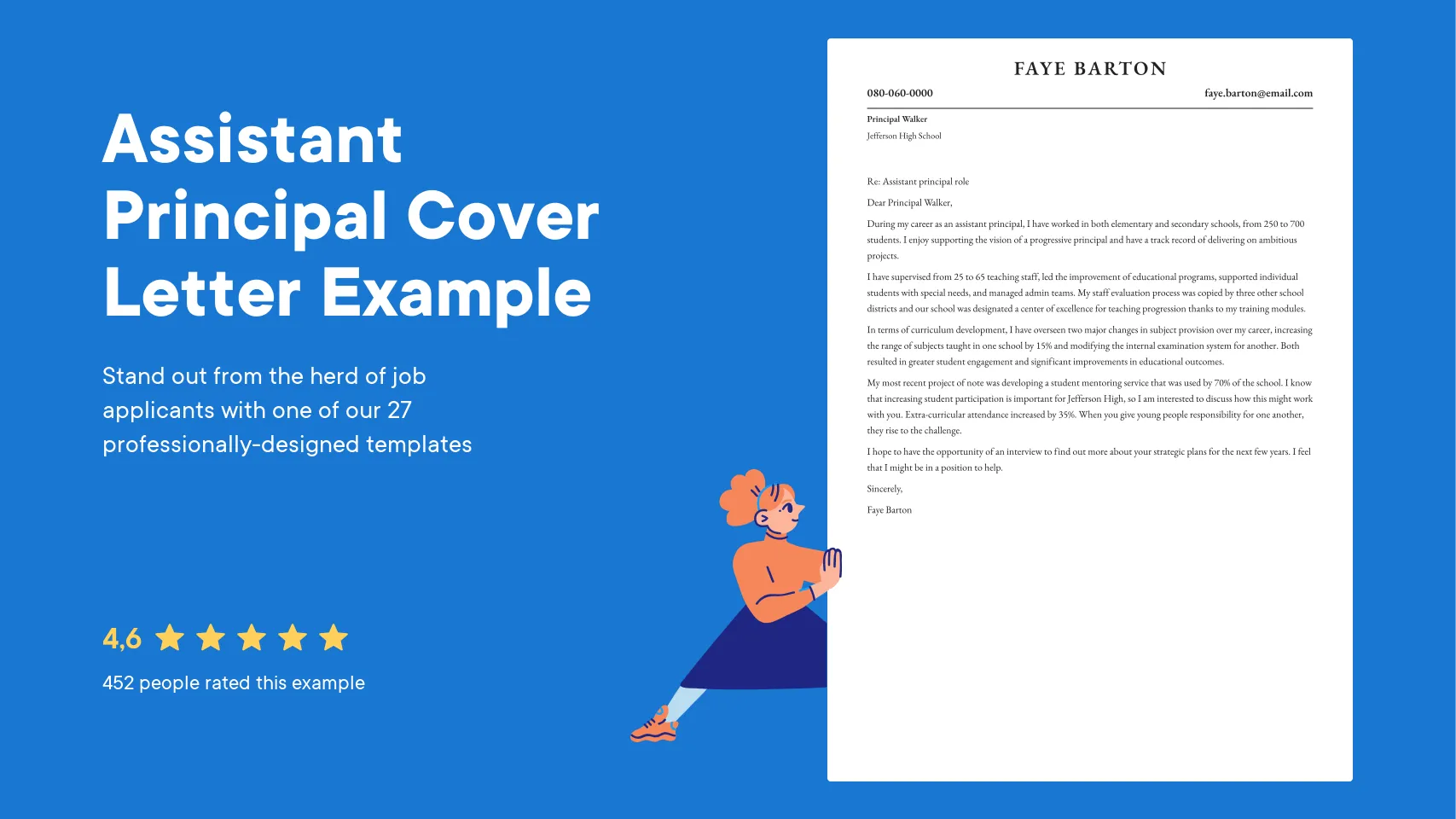
Crafting Your Principal Cover Letter
A compelling cover letter is your initial handshake with the hiring committee, setting the stage for your application. It’s not merely a reiteration of your resume; it’s an opportunity to showcase your personality, passion, and unique qualifications for the principal position. The cover letter should be well-structured, concise, and tailored to the specific school and position. Begin by clearly stating the position you’re applying for and how you learned about it. Then, provide a brief overview of your background, emphasizing your most relevant experiences and skills. Remember, the goal is to capture the reader’s attention and encourage them to delve deeper into your application. A strong opening paragraph is crucial as it immediately communicates your enthusiasm and suitability for the role. This section is the foundation of your application and must be carefully considered.
Researching the School and Position
Thorough research is the cornerstone of a standout cover letter. Before you begin writing, dedicate time to understanding the school’s mission, values, and any specific challenges or opportunities it faces. Visit the school’s website, review its strategic plan, and, if possible, read local news articles or community publications that mention the school. This research provides invaluable insights into the school’s culture and needs, which you can then address in your cover letter. Furthermore, carefully examine the job description, identifying the key skills, qualifications, and experiences the school is seeking. Align your cover letter with these requirements, providing concrete examples of how your background aligns with their needs. Demonstrating this level of preparation shows that you are genuinely interested in the position and have taken the initiative to understand the school’s context.
Highlighting Relevant Experience

Your cover letter should not simply list your past roles; it should highlight the experiences most relevant to the principal position. Focus on experiences that demonstrate your leadership abilities, your understanding of school administration, and your commitment to student success. Provide specific examples of your achievements in previous roles. For instance, if you have experience improving student test scores, reducing disciplinary incidents, or implementing new educational programs, be sure to mention these accomplishments. Use the STAR method (Situation, Task, Action, Result) to describe your experiences, providing context, explaining your role, detailing the steps you took, and quantifying the results you achieved. This approach helps the hiring committee understand the impact of your work and how you might contribute to their school’s success. Make sure your experience aligns with the school’s needs.
Demonstrating Leadership Skills
A principal’s role is fundamentally one of leadership, so your cover letter must effectively demonstrate your leadership skills. Illustrate your ability to inspire and motivate others, build strong teams, and foster a positive school culture. Describe instances where you have successfully led initiatives, managed conflicts, or mentored staff members. Showcase your skills in decision-making, problem-solving, and strategic planning. Mention any professional development or leadership training you have completed. The hiring committee will want to see that you have the capacity to drive change, manage resources effectively, and create a supportive environment where students and staff can thrive. Provide specific examples of how you have demonstrated these leadership qualities in the past and how you plan to use them to benefit the school.
Showcasing Educational Philosophy
Articulating your educational philosophy is crucial for a principal cover letter. This is your opportunity to explain your beliefs about teaching and learning and how these beliefs align with the school’s mission and values. Describe your vision for student success, your approach to creating a positive and inclusive school climate, and your commitment to fostering a growth mindset among students and staff. Discuss your views on instructional leadership, curriculum development, and assessment practices. Provide examples of how you have put your educational philosophy into practice in previous roles. Your goal is to demonstrate that you are not only a skilled administrator but also a passionate advocate for student learning and well-being. This section should clearly communicate your commitment to fostering an exceptional learning environment.
Emphasizing Achievements and Results

While experience is important, it’s the results you’ve achieved that truly set you apart. In your cover letter, focus on quantifiable accomplishments that demonstrate your effectiveness as an educator and leader. Did you improve student test scores, increase graduation rates, or reduce disciplinary incidents? Did you secure grants, implement innovative programs, or improve parent involvement? Use data and metrics to support your claims, providing evidence of your impact. Whenever possible, quantify your achievements using percentages, numbers, or specific examples. This data-driven approach adds credibility to your application and clearly demonstrates the value you would bring to the school. Ensure that the accomplishments you highlight align with the school’s priorities and the requirements outlined in the job description. Be ready to prove those achievements.
Quantifying Accomplishments
To make your cover letter even more compelling, focus on quantifying your achievements. Instead of saying, “I improved student performance,” state, “I increased student test scores by 15% within two years.” Rather than saying, “I reduced disciplinary issues,” write, “I decreased disciplinary incidents by 20% through the implementation of a new behavior management system.” Quantifying your accomplishments adds significant weight to your claims and provides concrete evidence of your impact. Use numbers, percentages, and specific data points to illustrate your success. This approach not only makes your cover letter more persuasive but also demonstrates your analytical skills and your ability to track and measure results. Always back up your statements with supporting documentation whenever possible. Be prepared to back up your data.
Addressing Key Selection Criteria
Most job postings for principal positions list specific selection criteria, such as experience, qualifications, skills, and leadership qualities. Your cover letter should directly address these criteria, providing examples of how you meet or exceed them. Review the job description carefully and identify the key requirements. Then, in your cover letter, clearly state how your background, experience, and skills align with each of these requirements. Provide specific examples and evidence to support your claims. This demonstrates that you have carefully considered the school’s needs and are well-suited for the position. Tailor your cover letter to match the language and terminology used in the job description, using the same keywords and phrases to highlight your qualifications. This makes it easier for the hiring committee to see that you meet their specific needs. Always align what the school asks for with what you provide in the cover letter.
Tailoring Your Cover Letter

A generic cover letter is unlikely to impress a hiring committee. Tailor your cover letter to each school and position you apply for. This means more than just changing the name of the school; it means customizing the content to reflect the school’s specific needs, values, and priorities. Before you start writing, research the school thoroughly, as mentioned previously. Then, use your research to highlight the aspects of your experience, skills, and educational philosophy that are most relevant to the school. Show the hiring committee how you can contribute to their specific goals and challenges. Tailoring your cover letter demonstrates that you are genuinely interested in the position and have taken the time to understand the school’s context. This personalization significantly increases your chances of getting noticed and securing an interview. Take the time to make it personal!
Proofreading and Polishing Your Cover Letter
Before submitting your cover letter, carefully proofread and polish it. Errors in grammar, spelling, or punctuation can create a negative impression and undermine your credibility. Read your cover letter aloud to catch any awkward phrasing or unclear sentences. Ask a trusted colleague, friend, or mentor to review your cover letter and provide feedback. They can catch errors you might have missed and offer suggestions for improving the clarity and effectiveness of your writing. Ensure your cover letter is well-organized, easy to read, and free of typos and grammatical errors. A polished cover letter reflects your attention to detail and professionalism, leaving a positive and lasting impression on the hiring committee. Take the time to make sure it is perfect.