Understanding the Resume Cover Letter Format
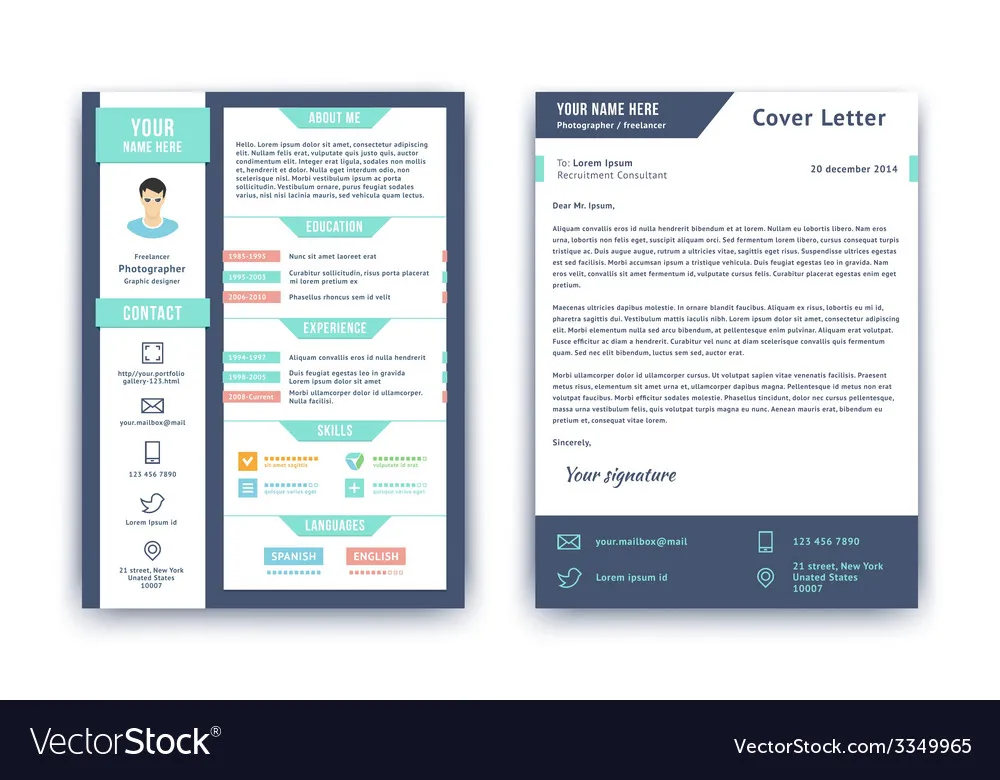
A resume cover letter serves as your personal introduction to a potential employer, offering a concise overview of your qualifications and expressing your interest in a specific position. The resume cover letter format is crucial because it’s often the first impression you make. A well-formatted cover letter not only showcases your professionalism but also demonstrates your attention to detail. It provides context to your resume, allowing you to highlight skills and experiences most relevant to the job, and it explains why you are a good fit for the company. Understanding the importance of the format, from the header to the closing, is fundamental to creating a cover letter that stands out.
Essential Elements of a Cover Letter
A cover letter is more than just a formality; it’s a strategic tool in your job search arsenal. It’s a great way to show you’ve done your research. The essential elements of a cover letter include a clear header, which contains your contact information, the date, and the recipient’s details. The body of your letter should consist of an opening paragraph to grab attention, middle paragraphs to highlight your skills and experiences relevant to the job, and a closing paragraph with a call to action. Your writing should show that you can communicate well, organize your thoughts, and follow instructions. It is designed to make you memorable to the hiring manager.
Header Formatting

Your header should be at the top of your cover letter and include your name, address, phone number, and email address. Make sure this information is accurate and easy to find. Choose a clear and professional font for this section. Ensure consistency with the formatting used in your resume. If you’re applying online, consider including a link to your LinkedIn profile or online portfolio in your header. This ensures the recruiter can easily find more information about you.
Contact Information
Your contact information in the header must be current. Use a professional-sounding email address; avoid nicknames or unprofessional terms. Double-check your phone number to ensure it’s correct and includes your area code. Consider a professional voicemail greeting as well. Your header sets the first impression, so accurate and presentable contact details are a must. Make sure that it stands out.
Date and Recipient Details
Following your contact information, include the date of your letter. Then, address the hiring manager or the specific person mentioned in the job posting. If you can’t find a specific name, use a general greeting, like ‘Dear Hiring Manager.’ Knowing the name of the person you’re writing to shows that you paid attention to detail, which can impress the reader. If you’re sending an email, the subject line can be the job title and your name to make it easy for the hiring team to track.
Body Paragraph Structure
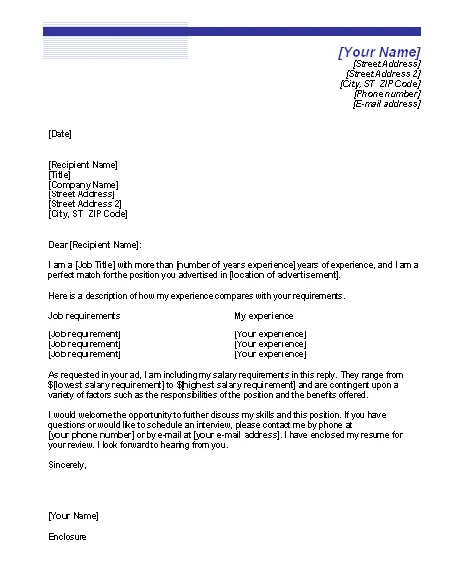
The body of your cover letter is the meat of your message. It should be well-structured and concise. This part is important for conveying the value you can bring to the company. The body consists of three main parts: the opening paragraph, middle paragraphs, and closing paragraph. Each part has a specific role to play in your job application. You should showcase the value you offer, and you should keep it organized.
Opening Paragraph: Grab Attention
The opening paragraph should immediately grab the reader’s attention. State the specific position you’re applying for and how you found the job. Briefly explain why you are interested in the company and the role, showing enthusiasm and genuine interest. Consider starting with a strong statement or a quick summary of your most relevant skill. The opening should make the reader want to know more. Mentioning a mutual connection can be a great way to establish an instant rapport.
Middle Paragraphs: Highlight Skills
The middle paragraphs are where you showcase your relevant skills and experiences. Use specific examples from your work history to show your accomplishments. Quantify your achievements whenever possible, such as by stating the percentage increase in sales you achieved. Align your skills with the requirements listed in the job description, and focus on what the company needs. This shows how you can solve the company’s problems. Each skill should be matched to a specific experience or result.
Closing Paragraph: Call to Action

Your closing paragraph should reiterate your interest in the position and thank the reader for their time and consideration. Include a call to action, such as stating your availability for an interview or expressing your enthusiasm to discuss your qualifications further. It should be polite and professional. Reiterate your contact information. The closing is your final chance to make a positive impression and to keep the reader engaged, and to make the reader want to reach out to you.
Formatting Techniques for Readability
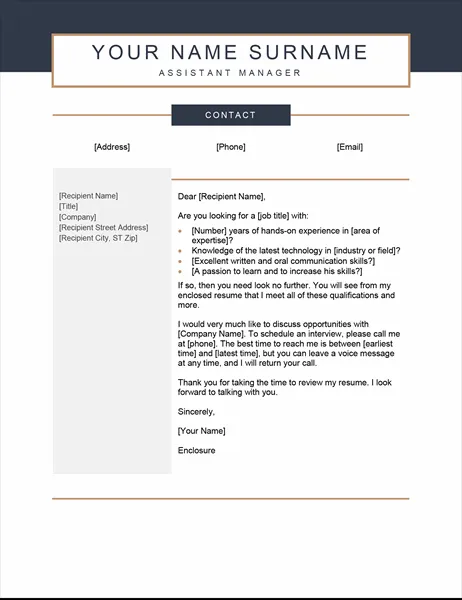
Good formatting is crucial for making your cover letter easy to read. Use clear and concise language. Make sure to use a professional font. Keep paragraphs short and to the point. Use bullet points or numbered lists to highlight your skills or accomplishments, as this helps break up large blocks of text. This is important to capture the reader’s attention. A well-formatted cover letter shows that you pay attention to detail.
Font Selection and Size
Choose a professional and easy-to-read font such as Times New Roman, Arial, or Calibri. The font size should be between 10 and 12 points. Make sure the font size is comfortable to read, especially for a document that may be printed. Using a legible font and appropriate size ensures your letter is readable and professional. Keep it consistent throughout the document.
Margins and Spacing

Set your margins to one inch on all sides to give your document a clean and balanced look. Use single-spacing for the body of your letter and double-space between paragraphs. This spacing makes your letter easy to read and gives it a professional appearance. The margins and spacing contribute to the overall visual appeal and readability of your cover letter. Proper spacing also prevents the page from appearing cluttered.
Proofreading and Editing Your Letter
Proofreading is essential for any cover letter. Before you submit your cover letter, carefully proofread it for any grammatical errors, spelling mistakes, and typos. Ask someone else to review your cover letter, as a fresh pair of eyes can often catch errors you might miss. Make sure the tone of your letter matches the company culture. A well-proofread cover letter demonstrates your attention to detail and professionalism.
Key Tips for Success
To maximize your chances of success, there are key strategies that can enhance your resume cover letter format. Tailor your letter to each specific job. Use action verbs. Highlight your achievements with numbers. Following these tips shows a proactive approach. Each step matters when creating a cover letter, and the final document should be polished and effective. The goal is to provide a concise presentation of your skills.
Tailoring Your Letter
Always tailor your cover letter to the specific job and company. Research the company, understand their values, and identify what they are looking for in a candidate. Then, adjust your letter to show how your skills and experiences align with the job requirements. This personalized approach demonstrates your genuine interest and increases your chances of getting an interview. Using the right keywords from the job description can also help your letter get noticed.
Using Action Verbs
Use action verbs to make your cover letter more dynamic and engaging. Action verbs are strong words that describe what you did in your previous roles. Instead of saying you ‘were responsible for,’ use verbs like ‘managed,’ ‘implemented,’ ’led,’ or ‘developed.’ Action verbs create a strong impact and make your achievements more memorable. Using a variety of strong action verbs shows you are an active participant.
Highlighting Achievements
When describing your experiences, focus on your accomplishments, not just your responsibilities. Use specific examples to demonstrate how you added value to your previous roles. Quantify your achievements whenever possible using numbers, percentages, or data to show the impact of your work. Highlighting your achievements makes your letter more impactful. Show that you can create positive results.
Top 5 Tips for Cover Letter Success

Here are five key tips to help you create a cover letter that stands out from the competition. By focusing on these areas, you can increase your chances of getting an interview. Focus on showing off your knowledge to the recruiter. These tips help you in all stages of the writing.
Tip 1 Research the Company
Before you start writing, research the company. Understand their mission, values, and recent projects. This will help you tailor your letter to show how your skills and experiences align with their specific needs. Referencing company details in your cover letter shows you are genuinely interested. Check out the company’s website, social media, and any news articles. You should create a tailored message.
Tip 2 Customize Your Letter
Never use a generic cover letter. Customize each letter for the specific job you are applying for. Highlight the skills and experiences that are most relevant to the job requirements. Show that you understand the specific needs of the company and the role. This personalized approach will make you more memorable to the hiring manager. You can customize your letter by matching it to the job description.
Tip 3 Proofread Carefully
Proofread your cover letter multiple times. Check for any grammatical errors, spelling mistakes, and typos. Ask someone else to review your letter as well. A well-proofread letter demonstrates your attention to detail and professionalism. Errors can create a negative impression. Make sure to do a final check before you send your resume cover letter format.
Tip 4 Use Action Verbs
Use strong action verbs to describe your skills and achievements. Verbs like ‘managed,’ ‘developed,’ ‘implemented,’ and ‘achieved’ make your letter more dynamic and engaging. They help you showcase what you have accomplished. They show you are a proactive individual who takes initiative. Using a wide array of action verbs makes your cover letter more impactful.
Tip 5 Showcase Your Value
Show the value you bring to the company. Focus on how your skills and experiences align with the job requirements. Give specific examples of your accomplishments and quantify your achievements whenever possible. By clearly demonstrating your value, you will make a strong case for why you should be hired. Remember that the company wants to see your qualifications. Highlight your unique skills.
Conclusion
Creating a compelling resume cover letter format involves careful attention to detail, from formatting and language to tailoring your letter to the specific job. By following the format guidelines, using action verbs, and highlighting your achievements, you can create a cover letter that will impress the hiring manager. Remember to always tailor your letter to each job and to proofread carefully before submitting it. Good luck with your job search!