Understanding the Importance of a Professional Resume
Your resume is your first impression. It’s often the initial point of contact between you and a potential employer, making it a crucial tool in your job search arsenal. A well-crafted resume acts as a concise summary of your skills, experience, and qualifications, designed to capture the hiring manager’s attention and encourage them to learn more about you. In today’s competitive job market, a professional resume is not just a formality; it’s a necessity to showcase your value and secure an interview. The format, content, and presentation of your resume can significantly influence your chances of getting noticed and advancing to the next stage of the hiring process. A strong resume clearly communicates your professional brand, highlights your achievements, and demonstrates why you are the ideal candidate for the position.
Key Components of a Strong Resume
A strong resume is more than just a list of your past jobs; it’s a targeted document designed to showcase your relevant skills and experience. Several key components work together to create a compelling narrative that captures the reader’s interest. Each section should be carefully crafted to highlight your strengths and align with the specific requirements of the jobs you’re applying for. By focusing on these core elements, you can create a resume that effectively communicates your value and maximizes your chances of landing an interview.
Contact Information

This section is the foundation of your resume. Include your full name, professional email address, and phone number. Consider including a link to your LinkedIn profile, as it provides an easy way for employers to learn more about your professional background and network. Ensure your contact information is accurate and up-to-date, as it’s the primary way potential employers will reach out to you. Avoid using unprofessional email addresses; a simple combination of your name is recommended.
Summary or Objective Statement
This brief statement provides a snapshot of your key skills, experience, and career goals. A summary statement is best for experienced professionals, highlighting your key achievements and contributions. An objective statement, more suitable for entry-level candidates, outlines your career aspirations and the type of role you’re seeking. Tailor this section to match the specific job you’re applying for, emphasizing the skills and experience that align with the employer’s needs. Keep it concise and engaging, aiming to capture the reader’s attention immediately.
Work Experience Section
This section forms the bulk of your resume, detailing your work history. For each role, list your job title, the company name, dates of employment, and a bulleted list of your responsibilities and accomplishments. Quantify your achievements whenever possible using numbers and data to demonstrate your impact. Focus on results, using action verbs to describe your contributions. Tailor this section to highlight the most relevant experiences and skills for the specific job you’re targeting.
Education Section

Include your degrees, diplomas, and certifications, along with the name of the institution, the dates of attendance, and your major. If you have relevant coursework or academic achievements, consider adding them to highlight skills directly related to the job. If you are a recent graduate, you might place this section higher on your resume. For experienced professionals, it often follows the work experience section.
Skills Section
This section lists your technical and soft skills relevant to the job. Group your skills into categories like technical skills, software proficiency, and soft skills (communication, teamwork, leadership). Include keywords from the job description to ensure your resume aligns with the employer’s requirements. Be honest and accurate in your skill assessments; the hiring manager will likely verify your claims during the interview process.
Choosing the Right Resume Format
The format of your resume influences how employers perceive your qualifications. Selecting the correct format is essential for effectively presenting your experience. The most suitable format will depend on your career stage, industry, and the type of jobs you’re targeting. Consider each format’s strengths and weaknesses and choose the one that best highlights your skills and accomplishments.
Chronological Resume Format

This is the most common and traditional format, listing your work experience in reverse chronological order, with the most recent job listed first. It’s ideal for candidates with a consistent work history and clear career progression. It’s easy for employers to quickly understand your career trajectory and see the skills you’ve developed over time. It works well if your experience is directly related to the jobs you’re applying for and if you haven’t had any significant gaps in employment.
Functional Resume Format
This format emphasizes your skills and abilities rather than your chronological work history. It is often used by individuals with gaps in their employment, those changing careers, or those with limited work experience. It focuses on your key skills and achievements, organizing them into skill-based categories. While it can be effective at highlighting skills, some employers might view it with skepticism, as it can obscure employment gaps.
Combination Resume Format
This format combines the best elements of chronological and functional resumes. It highlights your skills and abilities at the beginning, followed by a chronological listing of your work experience. It allows you to emphasize your key skills while still providing a clear overview of your work history. This approach works well for individuals with a solid work history and a desire to showcase their skills. It offers a balanced approach and is a good choice for many job seekers.
Tailoring Your Resume for Each Job Application

Generic resumes rarely impress. Customizing your resume for each job application is crucial to demonstrate your suitability for the specific role. This involves carefully analyzing the job description, highlighting relevant skills and experience, and incorporating the keywords that the employer is likely looking for. Taking the time to tailor your resume shows your genuine interest in the position and increases your chances of getting an interview.
Analyzing the Job Description
The job description is your roadmap. Carefully read it, highlighting the key skills, responsibilities, and qualifications the employer is seeking. Identify the keywords and phrases used in the description. These are the terms that employers are likely to use when searching for candidates. Understanding the job’s requirements allows you to tailor your resume to directly address the employer’s needs and showcase your relevant qualifications.
Highlighting Relevant Skills and Experience
Once you’ve analyzed the job description, focus on the skills and experiences that align with the requirements. Review your resume and identify sections where you can incorporate these relevant details. Tailor your bullet points to showcase your achievements in these areas. Quantify your accomplishments whenever possible, using numbers and data to demonstrate your impact. By highlighting relevant experience, you’ll make a strong case for your candidacy.
Using Keywords Effectively

Keywords are crucial for getting your resume noticed, especially in today’s job market where applicant tracking systems (ATS) are widely used. These systems scan resumes for relevant keywords. Integrate the keywords from the job description throughout your resume, but do so naturally and without keyword stuffing. Include them in your skills section, work experience descriptions, and summary/objective statement. This will improve your chances of your resume being selected for review by a human.
Crafting a Compelling Cover Letter
A cover letter complements your resume, providing an opportunity to expand on your qualifications and express your enthusiasm for the role. It allows you to personalize your application and demonstrate your understanding of the company and the specific job requirements. A well-written cover letter can significantly enhance your application, setting you apart from other candidates. It’s your chance to connect with the hiring manager on a personal level and showcase your communication skills.
The Purpose of a Cover Letter
The primary purpose of a cover letter is to introduce yourself, highlight your relevant skills and experience, and express your interest in the specific job and the company. It’s not just a rehash of your resume. It allows you to explain why you’re a good fit for the role, connecting your skills to the company’s needs. It demonstrates your communication skills, your enthusiasm, and your understanding of the position. It’s also a chance to explain anything that needs clarification, like employment gaps.
Essential Elements of a Cover Letter
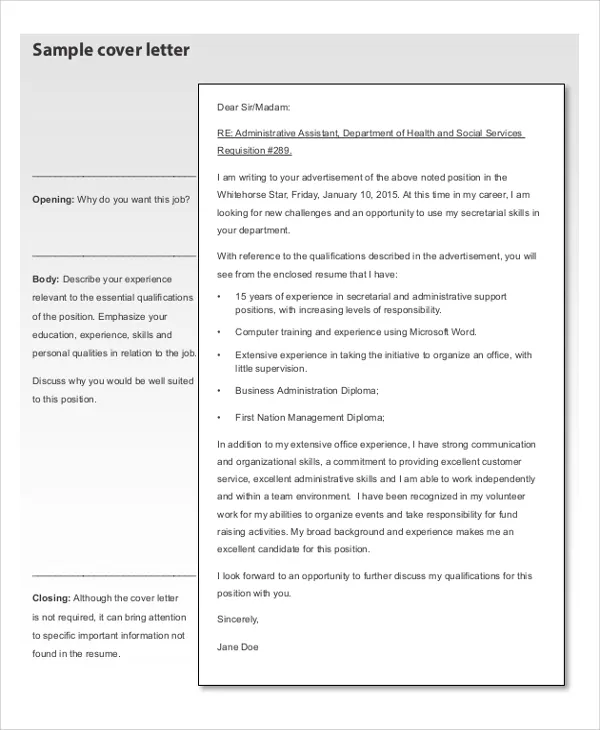
A compelling cover letter includes a clear introduction, body paragraphs that highlight your skills and achievements, and a strong conclusion. Start with a personalized greeting, addressing the hiring manager by name if possible. In the body paragraphs, connect your skills and experience to the job’s requirements, providing specific examples of your accomplishments. In your conclusion, reiterate your interest in the role and thank the reader for their time and consideration. Always tailor each cover letter to the specific job and company.
Formatting Your Cover Letter
The format of your cover letter should be professional and easy to read. Use a standard font like Times New Roman or Arial, and maintain a consistent font size and spacing throughout. Keep the letter concise, typically no more than one page. Use clear paragraphs and bullet points to highlight your key skills and achievements. Proofread carefully for any errors in grammar or spelling. The layout should be clean and uncluttered, making it easy for the hiring manager to read and understand.
Reviewing and Editing Your Resume and Cover Letter
Before submitting your resume and cover letter, review and edit them carefully. This step is crucial to ensure your application is polished and free of errors. The final review helps to catch any typos, grammatical mistakes, and formatting inconsistencies. Take the time to proofread thoroughly, as even minor errors can create a negative impression.
Proofreading for Errors
Proofreading is the most critical step. Check for spelling errors, grammatical mistakes, and punctuation errors. Read your resume and cover letter multiple times, ideally aloud, to catch any errors you might miss when reading silently. Use a grammar and spell checker, but don’t rely on them entirely. They can miss errors, so always read carefully yourself. Look for inconsistencies in formatting, such as font sizes, spacing, and bullet point styles.
Seeking Feedback from Others
Get a fresh perspective. Ask trusted friends, family members, or career counselors to review your resume and cover letter. They can provide valuable feedback on clarity, content, and overall presentation. Ask them to identify any areas where you can improve or where you might be missing essential information. Consider having multiple people review your documents to get a range of opinions. Incorporating this feedback helps to ensure that your resume and cover letter are as effective as possible in getting you an interview. Receiving feedback is an important part of the resume and cover letter writing process.