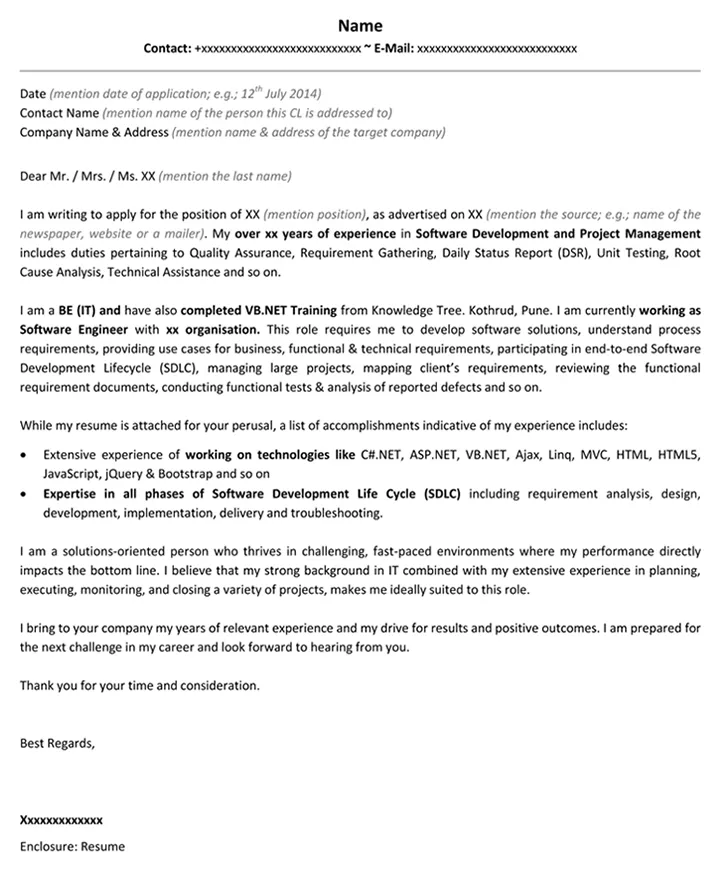
What is a Software Engineer Cover Letter?
A software engineer cover letter is a crucial document that accompanies your resume when applying for software engineering positions. It serves as your introduction to a potential employer, providing an opportunity to showcase your personality, enthusiasm, and relevant skills. Unlike a resume, which is a factual summary of your experience, a cover letter allows you to elaborate on your qualifications, explain why you’re interested in the specific role and company, and demonstrate how your skills align with their needs. A well-crafted cover letter can significantly increase your chances of getting an interview.
Purpose of a Cover Letter
The primary purpose of a cover letter is to persuade the hiring manager that you are a strong candidate for the job. It’s your chance to highlight your most relevant experiences, skills, and accomplishments, making a compelling case for why you should be considered. The cover letter allows you to personalize your application, demonstrate your understanding of the company and the role, and explain why you’re particularly excited about the opportunity. Moreover, it provides a space to address any potential gaps in your resume or explain career transitions.
Why is a Cover Letter Important?

In today’s competitive job market, a cover letter can set you apart from other applicants. It shows that you’ve taken the time to go the extra mile, demonstrating genuine interest and initiative. It gives you a chance to connect with the hiring manager on a more personal level, building a rapport and making a memorable impression. Many employers view cover letters as essential, using them to assess your communication skills, writing style, and attention to detail. Without a cover letter, your application may be overlooked, regardless of how impressive your resume might be.
Key Components of a Software Engineer Cover Letter
A well-structured cover letter comprises several key components that work together to present you as a qualified and enthusiastic candidate. Each section plays a vital role in conveying your qualifications and making a strong first impression. Understanding and properly formatting each of these components is paramount to writing a compelling cover letter that captures the hiring manager’s attention and showcases your skills and experience effectively.
Your Contact Information and Date
Begin your cover letter with your contact information at the top left or right. Include your full name, phone number, email address, and optionally, your LinkedIn profile URL or personal website. Below your contact information, add the date. This ensures the hiring manager knows how to reach you and the date the letter was written. Ensure that your contact information is accurate and professional, using a formal email address and a clear, concise format.
The Hiring Manager’s Information

If possible, address your cover letter to a specific hiring manager or recruiter. Research the company’s website or LinkedIn to find the correct contact person’s name and title. Addressing the letter to a specific person is more personal and demonstrates your initiative. If you cannot find a specific name, use a general greeting such as “Dear Hiring Manager” or “Dear [Company Name] Recruiting Team.” Avoid vague salutations like “To Whom It May Concern.”
The Salutation
The salutation sets the tone for your entire letter. Use a formal and professional greeting such as “Dear Mr./Ms./Mx. [Last Name]” if you know the hiring manager’s name. If you don’t know the name, use “Dear Hiring Manager” or “Dear [Company Name] Recruiting Team.” Always spell the name correctly and use the correct title. The salutation is your initial opportunity to make a positive impression, so it’s important to be both polite and professional from the outset.
The Introduction: Grab Their Attention
Your introduction should immediately grab the hiring manager’s attention and make them want to read further. Briefly state the position you are applying for and where you saw the job posting. Include a brief, compelling statement about why you are a strong fit for the role, highlighting your most relevant skill or accomplishment. This opening paragraph should be concise, enthusiastic, and tailored to the specific job requirements. A strong introduction sets the stage for the rest of your letter and encourages the reader to continue.
Highlighting Relevant Skills and Experience

This is the core of your cover letter, where you demonstrate how your skills and experience align with the job requirements. Use the job description as your guide, identifying the key skills and qualifications the company is seeking. Provide specific examples from your past experiences that showcase your abilities, focusing on measurable achievements and quantifiable results. Structure this section logically, using bullet points or short paragraphs to make it easy to read and digest. Tailor your examples to the specific role and company, highlighting the most relevant aspects of your experience.
Quantify Your Achievements
Whenever possible, quantify your achievements to demonstrate your impact and value. Use numbers, percentages, and specific data to illustrate your accomplishments. For example, instead of saying “Improved code efficiency,” say “Improved code efficiency by 15%, resulting in a 10% reduction in server costs.” Quantifying your achievements makes your accomplishments more concrete and demonstrates the tangible benefits you brought to your previous roles. This helps the hiring manager understand the value you can bring to their organization.
Showcase Your Technical Skills
Clearly list and describe your relevant technical skills. This may include programming languages (e.g., Java, Python, C++), frameworks (e.g., React, Angular, Django), databases (e.g., SQL, MongoDB), and development tools (e.g., Git, Docker, Jenkins). Provide specific examples of how you have used these skills in past projects or roles. Highlighting your technical proficiency helps the hiring manager quickly assess your capabilities and determine if you meet the technical requirements of the position. Tailor the skills listed to match the job description.
Tailoring Your Letter to the Job

Customize your cover letter for each job application. Avoid using a generic template. Carefully review the job description and identify the key requirements and keywords. Use these keywords and phrases throughout your cover letter to demonstrate that you understand the role and the company’s needs. Tailoring your letter shows that you’ve taken the time to research the company and are genuinely interested in the specific opportunity. Generic cover letters often get overlooked, while customized letters can significantly improve your chances of getting noticed.
Demonstrating Your Passion and Enthusiasm
Your cover letter is your opportunity to show your passion for software engineering and your enthusiasm for the specific role and company. Let your personality shine through your writing, conveying your excitement about the opportunity and your genuine interest in the company’s mission and values. This helps the hiring manager see you as more than just a list of skills, but as a well-rounded individual who would be a great fit for the team.
Expressing Your Interest in the Company
Demonstrate your interest in the company by mentioning something specific about their work, products, or culture that excites you. This could be a recent project they completed, an innovative technology they’re using, or a company value that resonates with you. Research the company thoroughly before writing your cover letter to understand their mission, values, and recent achievements. Showing that you’ve done your homework demonstrates your sincere interest and makes your application more compelling. This also provides an opportunity to connect with the company on a personal level.
Explaining Why You’re a Good Fit

Clearly articulate why you are a good fit for the role, explaining how your skills and experience align with the job requirements and the company’s needs. Highlight your strengths and how they would contribute to the company’s success. Provide specific examples of how you have demonstrated those skills in the past. This is your chance to connect your skills to the specific requirements and to show your understanding of the role’s responsibilities and challenges.
The Call to Action
Conclude your cover letter with a clear call to action. Express your enthusiasm for the opportunity and your interest in discussing your qualifications further in an interview. Thank the hiring manager for their time and consideration. Indicate your availability for an interview and how they can contact you (e.g., phone or email). A strong call to action leaves a positive impression and encourages the hiring manager to take the next step in the hiring process. Use a confident and professional tone, reinforcing your interest in the role.
Concluding Your Letter
Your closing should be professional and concise. Use a formal closing such as “Sincerely,” “Best regards,” or “Thank you for your consideration.” Sign your name, and if submitting a physical copy, sign the letter above your typed name. Proofread your entire letter to ensure there are no errors in grammar, spelling, or punctuation. A polished closing reinforces your professionalism and leaves a positive lasting impression on the hiring manager. Ensure a consistent tone throughout the letter, and tailor the closing to reflect your personality.
Formatting and Proofreading Best Practices

Formatting and proofreading are essential to creating a professional and effective cover letter. Proper formatting makes your letter easy to read, while careful proofreading ensures that your writing is free of errors. These elements demonstrate your attention to detail and reflect positively on your professionalism. A well-formatted and error-free cover letter will make a much better first impression and significantly increase your chances of success.
Choosing the Right Font and Format
Choose a professional and easy-to-read font, such as Times New Roman, Arial, Calibri, or Helvetica. Use a font size between 10 and 12 points. Use standard one-inch margins and single-spacing for the body of your letter. Ensure the formatting is consistent throughout the document. Keep the overall layout clean and uncluttered, avoiding excessive use of bolding, underlining, or italics. A well-formatted cover letter is easy to read and helps the hiring manager quickly absorb the information. Ensure the formatting aligns with professional standards and reflects a high level of attention to detail.
Proofreading and Editing for Errors
Proofread your cover letter meticulously for any errors in grammar, spelling, punctuation, and formatting. Read the letter aloud to catch any awkward phrasing or errors. Use a grammar and spell checker, but don’t rely on it entirely. Ask a friend, family member, or career counselor to review your letter for any errors or areas for improvement. Errors in your cover letter can make a negative impression on the hiring manager, so ensuring that the content is error-free is crucial. Carefully review the letter multiple times to make certain that all details are accurate and that your message is clear and concise.
Software Engineer Cover Letter Examples
Reviewing cover letter examples can provide inspiration and guidance when writing your own. However, remember to personalize your cover letter, using examples relevant to your specific skills, experiences, and the job requirements. These examples can give you a better understanding of what a successful cover letter looks like.
Example 1: Entry-Level Software Engineer
This is a sample for a fresh graduate or someone with limited experience. In this case, focus on academic achievements, projects, and any relevant internships or part-time positions. Highlight your skills, such as programming languages and any projects you have worked on during your studies. If you have experience with team projects, emphasize your ability to collaborate and solve problems. Demonstrate your eagerness to learn and contribute to the team.
Example 2: Experienced Software Engineer
This is a sample for professionals with more experience. Include details on your work experience, including projects, achievements, and accomplishments. Quantify your results, such as the increase in efficiency or any cost savings. Discuss your leadership skills and any experience you have with managing teams. Be sure to tailor the letter to showcase your ability to solve problems and provide value to the company.
Common Mistakes to Avoid
There are several common mistakes that can undermine your cover letter and reduce your chances of getting hired. Avoiding these errors can significantly improve the quality of your cover letter and impress the hiring manager. Knowing what to avoid can help you present your best self and increase your chances of getting an interview.
Generic Cover Letters
Avoid sending a generic cover letter that is not tailored to the specific job and company. Generic letters don’t show a genuine interest in the role, and they demonstrate a lack of effort. Customize each cover letter by referencing the job description and the company’s mission. This personalized touch shows that you’ve taken the time to research the opportunity and are genuinely interested in the position.
Typos and Grammatical Errors
Carelessly written cover letters containing typos and grammatical errors are a major red flag. These errors demonstrate a lack of attention to detail and can give the impression that you are not a careful or professional person. Always proofread your cover letter multiple times, and consider having someone else review it. Spelling and grammar checks can assist, but they do not replace careful reading.
Not Tailoring to the Role
Ensure your cover letter is tailored to the specific role. Using a generic cover letter or one that doesn’t reflect the job description is a mistake. Customize each cover letter for the role by reviewing the requirements, highlighting how your skills and experience meet those needs. Show your interest in the role and company and demonstrate a clear understanding of their needs and requirements. Failure to do so demonstrates a lack of genuine interest and makes a negative impression.
How to Follow Up After Sending Your Cover Letter
Following up after submitting your cover letter can demonstrate your continued interest and professionalism. After submitting your application, send a polite email or make a phone call to the hiring manager, expressing your continued interest in the role and asking if they have any questions. Allow for a reasonable timeframe, such as one to two weeks, before following up. This shows your enthusiasm without being overly persistent. Make sure to follow up with a professional and courteous tone, maintaining a positive and respectful approach.