Know Your Audience
Before you even begin to write your sponsorship proposal cover letter, you must deeply understand your target audience — the potential sponsor. Research their brand, their values, and their past sponsorship activities. What are their marketing goals? What causes do they support? What kind of events or organizations have they partnered with before? This initial groundwork is critical. A generic cover letter will be quickly dismissed; a personalized one demonstrates that you’ve taken the time to understand their business and how your opportunity aligns with their objectives. Tailoring your letter to resonate with the sponsor’s specific interests significantly increases your chances of capturing their attention. Consider their existing partnerships. What do they gain from those relationships? How can you offer something similar or better? The more you know, the better you can frame your pitch to meet their needs, ultimately leading to a stronger and more compelling cover letter. Remember, understanding the sponsor is the first and most important step towards securing their support.
Digging Deeper into Audience Research
To truly know your audience, don’t stop at a basic website scan. Delve into their social media, press releases, and annual reports. These sources often reveal their strategic priorities, target demographics, and corporate social responsibility initiatives. Use this information to personalize your letter by highlighting how your opportunity aligns with their specific interests and goals. For instance, if a company emphasizes community engagement, emphasize the local impact of your event or program. If they are targeting a specific demographic, demonstrate how your audience matches that profile. Showing that you understand their brand values and marketing strategies makes your proposal far more appealing. The more specific and relevant you are, the more likely they are to see value in your proposition. This audience-centric approach transforms your cover letter from a simple request into a strategic partnership opportunity.
Highlight the Benefits for the Sponsor

A sponsorship proposal cover letter is not just about what you need; it’s about what the sponsor gains. Focus on the benefits that the sponsorship will provide to the company. These benefits can include increased brand visibility, access to a specific target audience, positive brand association, and opportunities for lead generation. Clearly outline how your event, program, or initiative will help them achieve their marketing goals. Use quantifiable metrics whenever possible. For example, provide estimated reach, audience demographics, and expected media coverage. Instead of simply stating that they will get exposure, specify how many people will see their logo, the potential for social media engagement, and the opportunities for networking with key stakeholders. The more you can demonstrate the tangible value they will receive, the more compelling your proposal will be. Remember, sponsors are looking for a return on investment, so make sure to highlight the ways that your partnership will deliver results.
Quantifying Sponsorship Value
Providing concrete data is key to persuading potential sponsors. Instead of vague statements, include specific, measurable, achievable, relevant, and time-bound (SMART) objectives. For instance, if you are organizing an event, provide details on expected attendance numbers, the demographics of your audience, and the potential for media coverage. If you are offering digital marketing opportunities, specify the reach of your social media channels, website traffic, and email list size. Include projections on potential website clicks, leads generated, or social media engagement metrics. Also, explain how the partnership can enhance their brand reputation. If your event or program supports a charitable cause, emphasize the positive association with the sponsor’s brand. Detail the opportunities for networking with relevant stakeholders, such as industry leaders, potential customers, or media representatives. By quantifying the potential benefits, you provide a clear picture of the value they will receive and significantly increase your chances of securing the sponsorship.
Showcase Your Value Proposition
Your value proposition is what sets you apart from other sponsorship opportunities. Clearly and concisely articulate what makes your event or organization unique and why a sponsor should choose you. This involves highlighting your key strengths, the benefits you offer, and how you align with the sponsor’s objectives. What problem do you solve for the sponsor? What unique access do you provide? How does your event create a distinctive platform for their brand? Emphasize the value you deliver beyond just exposure, such as innovative activations, exclusive experiences, or opportunities for audience engagement. Show the sponsor why partnering with you is a strategic investment. Consider their current marketing campaigns and how your offering can complement and amplify their efforts. Demonstrating a clear understanding of their brand and marketing goals shows that you are prepared to deliver a valuable partnership. The more compelling your value proposition, the better your chances of securing sponsorship.
Crafting a Strong Value Proposition

To create a strong value proposition, identify your unique selling points. What makes your event or organization different and more appealing than others? Is it a unique audience, an innovative concept, or a strong track record of success? Clearly communicate these differentiators in your cover letter. For example, if your event attracts a highly engaged and affluent audience, highlight this demographic and how the sponsor can reach them. If your event offers innovative activations, detail how the sponsor’s brand can be creatively integrated into the experience. If you have a proven track record, showcase past successes and the value you provided to previous sponsors. The key is to clearly and concisely explain the unique value that the sponsor will receive by partnering with you. This section should be compelling enough to make the sponsor want to know more, and make them see that your offering is a strategic and valuable investment for their brand.
Keep It Concise and Engaging
Sponsors receive numerous proposals, so your cover letter must be concise and engaging to capture their attention quickly. Respect their time by getting to the point promptly. Use a clear, professional tone and avoid jargon. Focus on the most important information and ensure that your letter is easy to read. Use bullet points, short paragraphs, and headings to break up the text and make it more digestible. Ensure that your letter is visually appealing. Consider using a clean layout and incorporating your branding. Proofread carefully to avoid any spelling or grammatical errors, which can detract from your credibility. The goal is to present the key information in a clear and compelling manner that motivates the sponsor to review your full proposal. A well-crafted, concise, and engaging cover letter is more likely to stand out and create a positive first impression, leading to a successful partnership.
Structuring Your Cover Letter for Maximum Impact
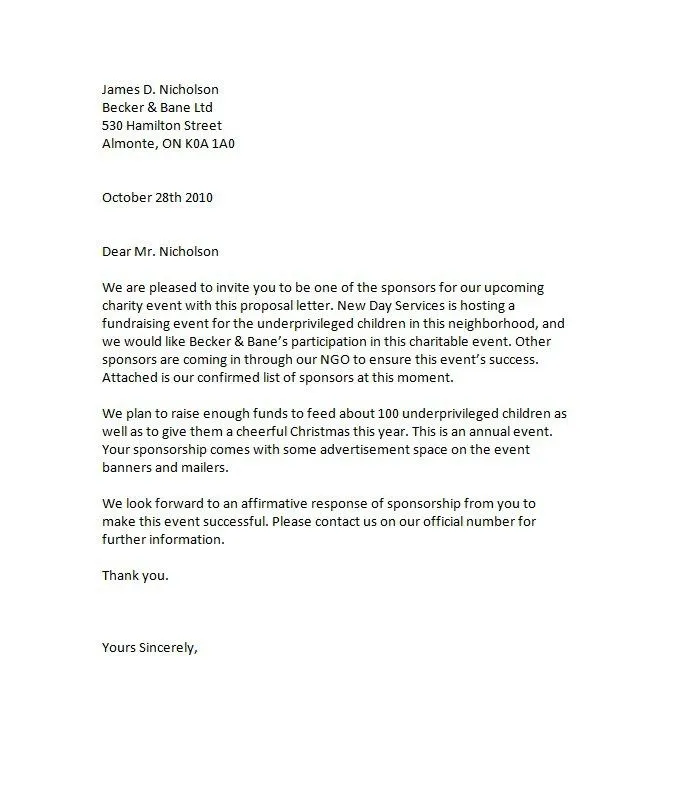
Organize your cover letter logically to guide the sponsor through the most critical information. Start with a strong opening that immediately grabs their attention, such as a personalized greeting or a compelling statement about the opportunity. In the body of the letter, briefly introduce your event or organization and immediately highlight the key benefits for the sponsor. Include a concise overview of your value proposition, emphasizing what makes your opportunity unique and valuable. Use bullet points to list key benefits and sponsorship levels. Then, provide a clear call to action, inviting the sponsor to review your proposal or schedule a meeting. End with a professional closing and contact information. Keep your cover letter to one page, ideally, as longer letters can overwhelm readers. A well-structured letter ensures that your key messages are clearly communicated, increasing the likelihood of a positive response and securing the sponsorship.
Include a Clear Call to Action

A well-crafted sponsorship proposal cover letter should always conclude with a clear call to action. This is the step that tells the potential sponsor exactly what you want them to do next. Instead of leaving them to guess, explicitly state your desired action. This could be reviewing the full proposal, scheduling a meeting, or contacting you for further information. Make the call to action specific and easy to follow. For example, instead of simply saying ‘Contact us,’ you could say ‘Please review the attached proposal and contact me at [phone number] or [email address] to schedule a call to discuss this exciting opportunity.’ Or, you could say, ‘I’d love to schedule a 30-minute meeting to discuss how we can collaborate. Please find my calendar link here [link].’ By providing a clear call to action, you increase the likelihood that the sponsor will take the next step and move forward with your proposal. The call to action should be concise, direct, and leave no room for ambiguity.
Effective Call to Action Strategies
To maximize the effectiveness of your call to action, tailor it to the sponsor and the specific sponsorship opportunity. Consider their likely next steps. Do you want them to review the full proposal, schedule a meeting, or simply contact you for more information? Customize your call to action accordingly. Provide a direct and actionable statement that guides the sponsor toward their next move. Also, make it easy for them to take that action. Include your contact information prominently, such as your phone number, email address, and website link. If you are inviting them to review the proposal, make sure it is easily accessible. If you are offering a meeting, suggest specific times or include a calendar link. Be enthusiastic and confident in your call to action. Your goal is to make it as easy as possible for the sponsor to say yes to your proposal. A strong and well-placed call to action can be the difference between securing a sponsorship and missing an opportunity.