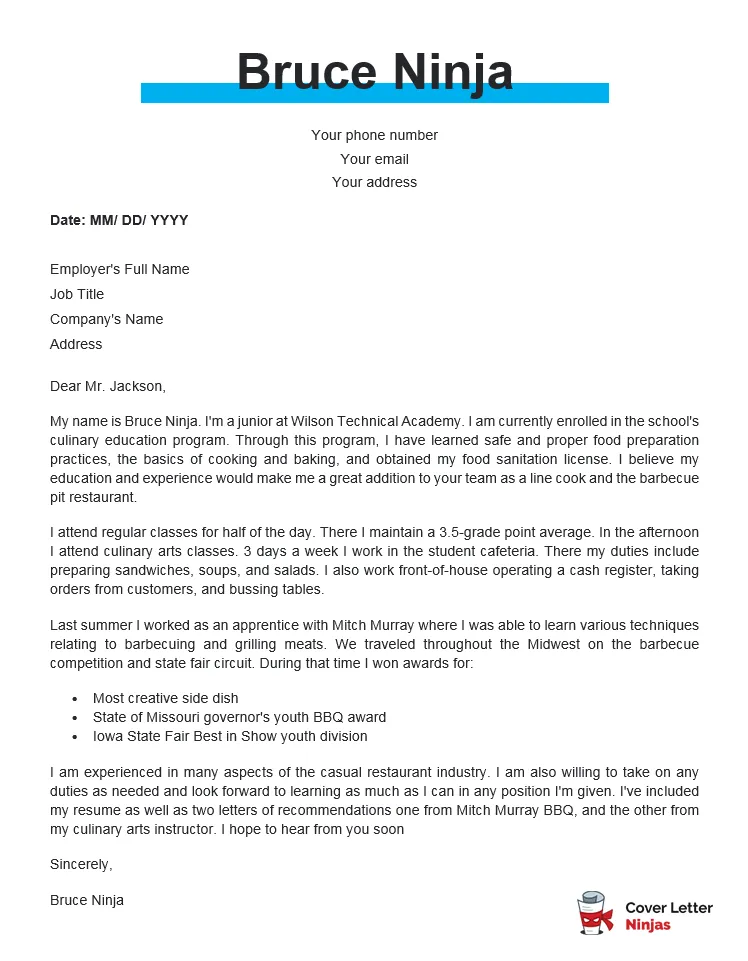
What is a Cover Letter?
A cover letter is a one-page document that you submit as part of your job application alongside your resume. It serves as an introduction to your qualifications and expresses your interest in the position and the company. Think of it as your opportunity to make a strong first impression and persuade the hiring manager to read your resume. Unlike a resume, which is a factual summary of your experience, a cover letter allows you to inject your personality and explain why you’re the perfect fit for the role. It provides context and allows you to highlight specific skills, experiences, and achievements that are most relevant to the job you are applying for.
The Purpose of a Cover Letter
The primary purpose of a cover letter is to convince the hiring manager to read your resume. It’s your chance to grab their attention, demonstrate your enthusiasm, and show them why you’re a good candidate. A well-written cover letter allows you to elaborate on your experiences, skills, and motivations in a way that a resume cannot. It provides a narrative that connects your qualifications to the specific requirements of the job. This helps the hiring manager understand how your background aligns with the company’s needs and what you can bring to the role. Furthermore, a cover letter shows that you have taken the time and effort to personalize your application, which demonstrates your genuine interest in the position.
Key Components of a Student Cover Letter

A strong student cover letter includes several key components to effectively communicate your qualifications and interest. These components are designed to provide a clear and compelling narrative that showcases your suitability for the position. Each section plays a vital role in highlighting your skills, experiences, and enthusiasm, making your application stand out.
Your Contact Information
Begin with your contact information at the top of the letter. Include your full name, phone number, email address, and LinkedIn profile URL (if you have one). Make sure your email address is professional-sounding. Ensure all contact information is accurate and up-to-date.
The Date
Below your contact information, include the date you are sending the letter. This helps the employer keep track of when they received your application. Always use the current date.
Employer’s Contact Information

Address the letter to the hiring manager if possible. Research the company to find the name and title of the person who will be reviewing your application. If you cannot find a specific name, use a professional greeting such as “Dear Hiring Manager” or “Dear [Department Name] Team.”
Greeting
Start with a professional greeting. “Dear Mr./Ms./Mx. [Last Name]” is ideal if you know the hiring manager’s name. If you don’t, use “Dear Hiring Manager” or “Dear [Department Name] Team.”
Body Paragraph 1 Introduction and Interest
The first paragraph should state the position you are applying for and where you found the job posting. Express your enthusiasm for the opportunity and the company. Briefly mention why you are interested in the role and what excites you about the company’s mission or values. Clearly state your intention and make a positive first impression.
Highlighting Relevant Skills and Experiences

In the subsequent paragraphs, highlight your skills and experiences that align with the job requirements. Use specific examples to demonstrate how you have used these skills in the past. Reference the job description and tailor your letter to match the key requirements. Focus on the skills and experiences that are most relevant to the role, even if you are a student with limited work experience. Frame your experiences to highlight transferable skills.
Showcasing Academic Achievements
If you have limited work experience, emphasize your academic achievements and relevant coursework. Mention any projects, research, or extracurricular activities that demonstrate your skills and abilities. Highlight any academic awards, honors, or relevant coursework that showcase your knowledge and expertise. Emphasize relevant skills gained through your education, such as analytical thinking, problem-solving, and teamwork.
Body Paragraph 2 Quantify Achievements
Use the second paragraph to showcase your achievements. Quantify your accomplishments whenever possible. Provide specific examples of what you have achieved in previous roles or projects. This helps the hiring manager understand the impact you have made. Demonstrate the results of your skills and experience by using numbers and data to support your claims. This could include metrics related to increased efficiency, improved performance, or successful project outcomes.
Provide Specific Examples

Provide specific examples of your accomplishments. Instead of simply stating you are a good team player, describe a situation where you collaborated effectively with others to achieve a common goal. Use the STAR method (Situation, Task, Action, Result) to structure your examples. This method helps you to concisely explain the context, your role, the actions you took, and the results you achieved.
Tailoring Your Cover Letter
Tailoring your cover letter is essential for making a strong impression. Customize each letter to match the specific requirements of the job and the company. This demonstrates that you have taken the time to understand the role and are genuinely interested in the opportunity. Generic cover letters are easily recognizable and often overlooked.
Researching the Company
Research the company thoroughly before you start writing. Understand their mission, values, and recent achievements. This will help you tailor your letter to show how your skills and experience align with their needs. Look at their website, social media profiles, and news articles to gain a comprehensive understanding of the organization. Incorporate relevant information from your research into your letter to demonstrate your knowledge and enthusiasm.
Matching Skills to the Job Description
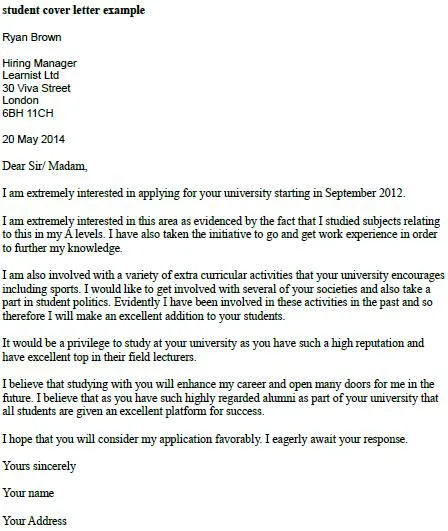
Carefully review the job description and identify the key skills and qualifications the employer is seeking. Highlight your relevant skills and experiences, using the same keywords and phrases from the job description. This helps the hiring manager quickly see that you are a good fit for the role. Ensure your cover letter directly addresses the requirements listed in the job posting.
Body Paragraph 3 Closing and Call to Action
In the final paragraph, express your enthusiasm for the opportunity again. Summarize why you are a strong candidate and reiterate your interest in the position. Include a call to action, such as inviting the hiring manager to contact you for an interview or suggesting a follow-up. This shows that you are proactive and eager to move forward in the application process.
Expressing Enthusiasm
Reiterate your enthusiasm for the position and the company. Show that you are genuinely excited about the prospect of joining the team and contributing to their goals. Mention any specific aspects of the role or company that particularly appeal to you. Demonstrate your passion for the opportunity to leave a positive impression.
Thanking the Reader

Thank the hiring manager for their time and consideration. Express your appreciation for the opportunity to be considered for the role. Acknowledge the time they have spent reviewing your application. This shows professionalism and respect.
Formatting and Proofreading
Proper formatting and careful proofreading are crucial for a professional cover letter. Formatting and proofreading errors can detract from your qualifications and create a negative impression. Pay close attention to the overall appearance of your letter to ensure it is easy to read and visually appealing.
Choosing the Right Font
Choose a professional and easy-to-read font, such as Times New Roman, Arial, or Calibri. Use a font size between 10 and 12 points. Ensure the font is consistent throughout the document. Avoid using overly decorative or unusual fonts.
Formatting Tips for Readability
Use clear and concise language. Keep paragraphs relatively short, with no more than 5-6 sentences each. Use white space effectively to make your letter visually appealing. Use bullet points to highlight key skills or achievements. Maintain consistent margins (1 inch on all sides) and line spacing (single or 1.15). Ensure the letter is well-organized and easy to follow.
Proofreading and Editing
Proofread your cover letter carefully for any spelling, grammar, or punctuation errors. Errors can damage your credibility. Read the letter aloud to catch any awkward phrasing or unclear sentences. Ask a friend, professor, or career counselor to review your letter for feedback. Always proofread multiple times before submitting your application. Double-check all the contact information to ensure its accuracy.
Final Tips for Students
Writing an effective cover letter as a student requires a strategic approach. While your experience may be limited compared to seasoned professionals, you can still create a compelling cover letter that highlights your potential and enthusiasm. Focus on presenting yourself in a positive and professional manner.
Keep it Concise
Keep your cover letter concise, ideally no more than one page. Hiring managers are busy, so they appreciate brevity. Focus on the most relevant information and avoid unnecessary details. Be selective about what you include and ensure that every sentence adds value.
Use Action Verbs
Use strong action verbs to describe your skills and accomplishments. Verbs such as “managed,” “developed,” “implemented,” and “achieved” make your letter more dynamic and engaging. Action verbs help you demonstrate your skills and showcase your impact. This helps the hiring manager quickly understand what you have done and the value you can bring to the company.
Examples of Good Cover Letters for Students
Review examples of successful student cover letters to get ideas for your own. There are many templates and examples available online. Pay attention to how other students have highlighted their skills, experiences, and academic achievements. Consider how they have formatted their letters, the language they have used, and the strategies they have employed to make a positive impression.