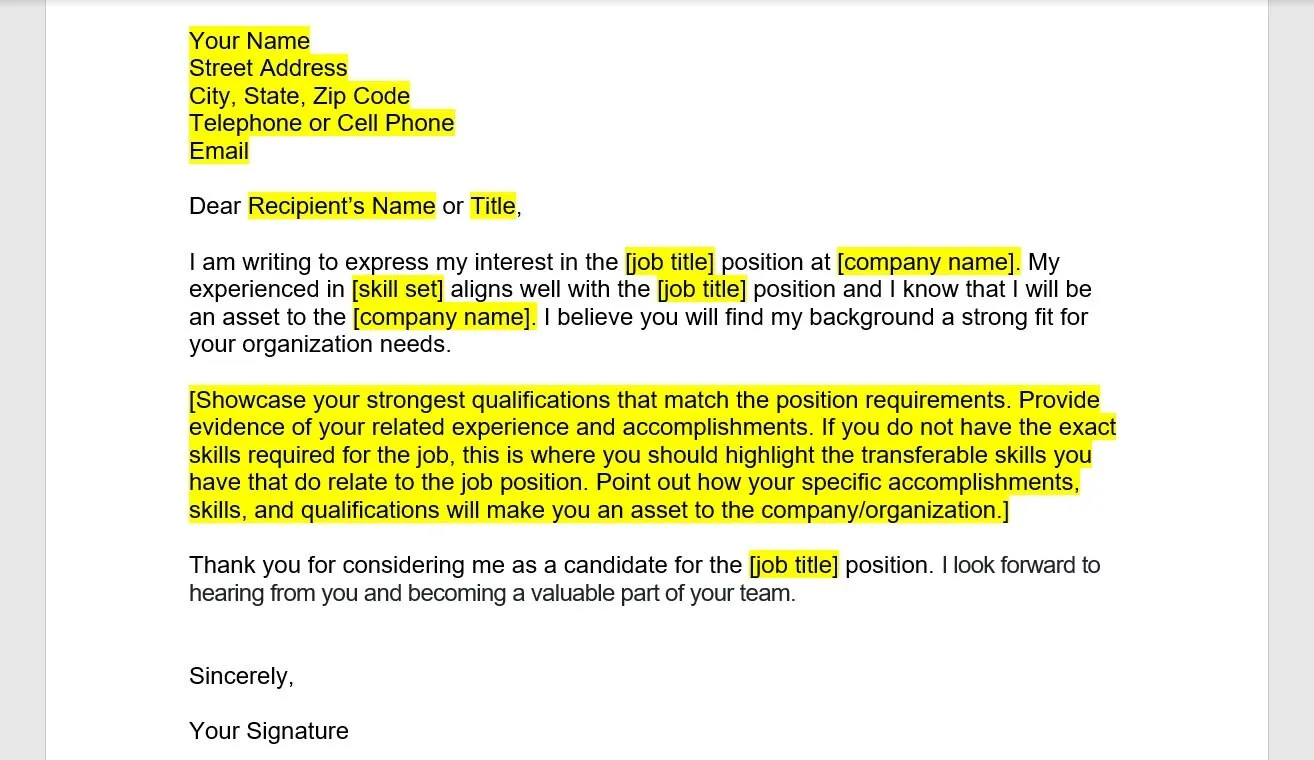
Why a UK Cover Letter Template Is Essential
In the competitive UK job market, a well-crafted cover letter is more than just a formality; it’s your first impression and your chance to shine. A UK cover letter template provides a structured framework, ensuring you include all the necessary information and present yourself professionally. Unlike a resume, a cover letter allows you to expand on your experiences, demonstrate your personality, and articulate why you’re the perfect fit for the role. Using a template saves time and effort, but it also helps you avoid common pitfalls, such as forgetting crucial details or using an unprofessional tone. A great cover letter captures the hiring manager’s attention, setting the stage for an interview and ultimately helping you land your dream job. The UK job market often sees a high volume of applicants, so standing out is key, and a well-structured cover letter does just that. Using a template will ensure you don’t miss any crucial points that can cost you a job offer.
Understanding the UK Cover Letter Structure
The standard UK cover letter structure is key to making a strong first impression. Begin with your contact information, followed by the date and the recipient’s details. The body of your letter should be divided into three to four paragraphs. The opening paragraph should state the position you are applying for and how you found the job. The second paragraph should briefly outline your relevant skills and experience, highlighting how they align with the job requirements. The third paragraph is where you provide specific examples of your achievements, quantifying them whenever possible. The closing paragraph should express your enthusiasm for the role and indicate your availability for an interview. Ensure your letter has a formal tone, uses correct grammar and spelling, and is easy to read. Sticking to this structured format ensures your letter is clear, concise, and easily digestible for the hiring manager. The aim is to be easy to read and highlight key points quickly, and structure is crucial for that.
Address the Hiring Manager Directly

One of the most impactful tips is to address the hiring manager by name. This personal touch shows that you’ve done your research and are genuinely interested in the role. If you cannot find the hiring manager’s name, try to find it on the company’s website, LinkedIn, or by calling the company. Addressing your cover letter to ‘Dear Mr./Ms. [Last Name]’ creates a personalized and professional tone right from the start. It shows you’ve gone the extra mile, which can significantly increase your chances of getting noticed. Avoid generic greetings like ‘To Whom It May Concern,’ as they make your letter feel impersonal. When you address the hiring manager directly, it establishes a connection and demonstrates your attention to detail and initiative. If you cannot find a name, try using ‘Dear Hiring Manager,’ but always prioritize finding a specific name for the best results.
Highlighting Your Key Skills and Experiences
Your cover letter is your chance to showcase your skills and experiences, but it is not simply a repetition of your resume; it is so much more. Carefully review the job description and identify the key skills and qualifications the employer is seeking. Then, in your cover letter, provide specific examples of how you’ve demonstrated these skills in previous roles or projects. Use action verbs to describe your accomplishments, such as ‘managed,’ ’led,’ ‘achieved,’ and ‘developed.’ This will show potential employers that you do not just possess the skills, but that you’ve put them to practical use. When writing your cover letter, be sure to tailor each of them to the job you are applying for; this shows your genuine interest in the role and company, and makes it more likely you will stand out from the crowd. Focus on the most relevant experiences and skills, and provide concrete examples that support your claims. Do not try to include every skill and experience from your resume, just the most relevant ones.
Quantify Your Achievements in Your Cover Letter
Numbers speak louder than words. When describing your achievements, always try to quantify them. For example, instead of saying ‘Improved sales,’ say ‘Increased sales by 15% in one quarter.’ Instead of saying ‘Managed a team,’ say ‘Managed a team of 10 employees, resulting in a 10% increase in productivity.’ Quantifying your achievements makes your claims more credible and demonstrates your ability to achieve measurable results. Include specific metrics, such as percentages, numbers, and monetary values, to illustrate your impact. This will show the hiring manager the concrete value you can bring to the role and that you are a high achiever. Quantifiable results provide compelling evidence of your skills and experience, setting you apart from other applicants who may only provide generic statements. This makes your letter more impressive and demonstrates your ability to deliver value.
Tailoring Your Cover Letter to the Job Description

One of the most common mistakes is sending out a generic cover letter. The most effective cover letters are tailored to each specific job application. This means you need to carefully read the job description and customize your letter to match the requirements. Highlight the skills and experiences most relevant to the role, and use the same keywords and phrases that the employer uses in the job description. This will help your application get past applicant tracking systems (ATS) and catch the attention of the hiring manager. The more effort you put into tailoring your cover letter, the more likely you are to get noticed. Always research the company and show you understand its values and mission. Tailoring shows you’re genuinely interested in the specific opportunity and the company, which is more than a simple copy-paste. Make sure to change each cover letter for each different job application, which means it will take more time, but the returns can be very good.
Research the Company Before Applying
Before submitting your cover letter, thoroughly research the company. This will help you tailor your letter to the company’s needs and demonstrate your interest in working there. Visit the company’s website, read its ‘About Us’ section, and explore its social media profiles. Learn about the company’s mission, values, and recent achievements. In your cover letter, mention specific aspects of the company that appeal to you or show how your skills align with their goals. Mentioning the company’s name shows that you’ve done your research and are truly interested in working there. Researching the company will also provide you with valuable insights into the company culture and the specific requirements of the role. Also, researching before applying will help you tailor your letter to demonstrate your understanding of the company’s goals and how your skills can contribute to their success. This preparation can significantly increase your chances of making a positive impression.
Show Enthusiasm and Passion for the Role
Your cover letter is your chance to express your enthusiasm and passion for the role and the company. Use positive language, and show that you are excited about the opportunity and why you are applying for the role. Convey your genuine interest in the specific role and the company. Avoid sounding generic or overly formal; let your personality shine through. In the closing paragraph, reiterate your interest and express your eagerness to discuss your qualifications further. Showing enthusiasm makes your cover letter more engaging and memorable. This genuine enthusiasm makes your application more appealing to the hiring manager. It indicates that you are genuinely invested in the opportunity and motivated to succeed. When you show passion for the role, it sets you apart from other applicants who may seem indifferent or uninspired.
Proofreading and Editing Your Cover Letter

Before sending your cover letter, always proofread and edit it carefully. Errors in grammar and spelling can make a negative impression and undermine your credibility. Check for any typos, grammatical errors, and inconsistencies in your writing. Read the letter aloud to catch any awkward phrasing or sentences. Also, ask a friend, family member, or career advisor to review your letter for feedback. Many small errors can make a huge difference in terms of job opportunities. Proofreading and editing demonstrates attention to detail and professionalism, which are essential qualities for any job. The aim is to make a good impression with your work and attention to detail, and ensure your cover letter is free of mistakes, and it presents your best self.
Checking for Grammar and Spelling Mistakes
Even the smallest mistakes can create a negative impression. Always check your cover letter for grammar and spelling mistakes before submitting it. Use a spell-checker and grammar-checker, but don’t rely solely on these tools. Proofread your letter carefully and look for any errors that the software might miss. Consider punctuation, sentence structure, and word choice. In a cover letter, the importance of being perfect in your grammar and spelling is crucial. Reviewing your cover letter several times with a fresh perspective can help identify errors that you might have missed. It also demonstrates attention to detail and your commitment to quality, which employers value. Correct grammar and spelling will ensure the quality and readability of your cover letter, and shows that you can be professional. So it is always worth the extra time.
Closing Your UK Cover Letter Professionally
The closing of your UK cover letter should leave a lasting positive impression. Thank the hiring manager for their time and consideration, and express your enthusiasm for the opportunity. Restate your interest in the role and state your availability for an interview. Include a professional closing, such as ‘Sincerely’ or ‘Yours sincerely,’ followed by your full name. Ensure your contact information is clearly displayed at the top of your letter. Keep your closing concise and professional. A well-written closing can reinforce your interest and professionalism. A well-executed closing statement increases your chances of being contacted for an interview.