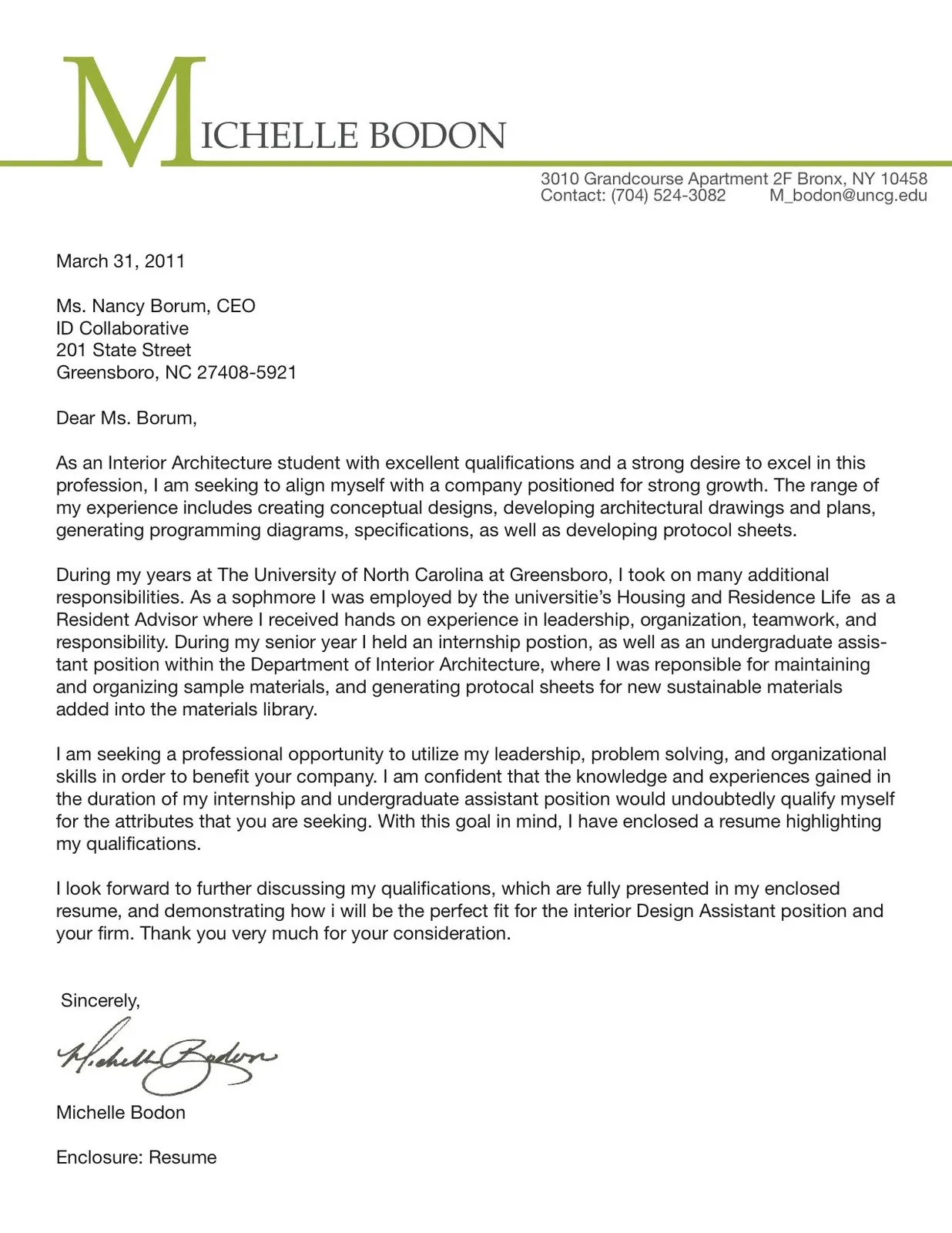
What is a USA Cover Letter
A USA cover letter is a crucial document that accompanies your resume when applying for a job in the United States. It serves as a personalized introduction, allowing you to showcase your skills, experience, and personality, while also expressing your enthusiasm for the specific position and the company. Unlike a resume, which provides a factual overview of your qualifications, a cover letter provides the opportunity to tell your story, explain why you’re the ideal candidate, and demonstrate your genuine interest in the role. A well-crafted cover letter can significantly increase your chances of getting noticed by a hiring manager and securing an interview. It’s your chance to make a strong first impression and distinguish yourself from other applicants.
Why is a USA Cover Letter Important
In the competitive job market of the USA, a cover letter is a key element in getting a job, often considered a necessity by employers. It provides an opportunity to present your qualifications in a narrative format, connecting your skills and experiences directly to the job requirements. It demonstrates your communication skills, personality, and genuine interest in the position. A cover letter shows that you’ve taken the time to research the company and understand their needs. This effort separates you from candidates who may only submit a resume. Moreover, a well-written cover letter can address any potential gaps in your resume, such as career changes or lack of specific experience, by explaining how your transferable skills make you a suitable fit.
Key Components of a USA Cover Letter

A strong USA cover letter follows a standard structure that includes a header, body paragraphs, and a closing. Each section plays a vital role in conveying your message effectively and getting the attention of the hiring manager. Adhering to this structure ensures your letter is organized, professional, and easy to read. Proper formatting and content structure greatly improve readability and emphasize key information, increasing the likelihood of a favorable response and potentially an interview. Following these structure guidelines will increase your success in your job application.
Header Section
The header section of your cover letter is the first thing the hiring manager sees. It contains essential contact information and sets a professional tone for the entire document. Accurate and up-to-date information in the header is crucial for ensuring that the hiring manager can easily contact you if they are interested in your application. A well-formatted header demonstrates attention to detail, an important quality for any job applicant. Proper formatting is also crucial for ensuring a polished and professional look.
Contact Information
Your contact information should include your full name, phone number, email address, and optionally, your LinkedIn profile URL. It is crucial that the email address is professional (e.g., firstname.lastname@email.com) and that your phone number is up-to-date and has a voicemail set up. Ensure your name is correctly spelled and easy to read. Make certain your LinkedIn profile is also updated to reflect your most current work. Make certain all the information is accurate.
Date

The date on your cover letter should be the date you are sending the application. This date should be placed directly below your contact information, generally aligned to the left or right, depending on your preferred style. The date helps the hiring manager to understand when you submitted the application and can be important for record-keeping purposes. Always use the current date to avoid any confusion and to show that your application is recent.
Recipient Information
Include the hiring manager’s name and title if possible, along with the company name and address. Addressing the letter to a specific person increases your chances of grabbing their attention. If the hiring manager’s name is not available, use a general salutation such as “Dear Hiring Manager.” If you cannot find the name of the hiring manager, you can also try to find the information via LinkedIn. Avoid generic greetings such as “To Whom It May Concern” as they can make your letter appear less personalized.
Body Paragraphs
The body paragraphs of your cover letter are where you sell yourself and your skills to the hiring manager. These paragraphs should highlight your relevant experience, explain your interest in the role, and demonstrate how your qualifications align with the job requirements. Writing compelling body paragraphs requires careful thought and strategic planning to convince the hiring manager that you are the best candidate for the job. Your body paragraphs can make or break your chances of getting an interview.
First Paragraph Introduce Yourself

Start with a strong opening that grabs the reader’s attention. State the position you are applying for and how you learned about it. Briefly mention your key qualifications and express your enthusiasm for the opportunity. Show them immediately that you know what they are looking for in a candidate. Your goal in the first paragraph is to create a positive first impression and make the hiring manager want to read more.
Second Paragraph Skills and Experience
In this paragraph, delve deeper into your skills and experience, providing specific examples that align with the job description. Use action verbs to describe your accomplishments and quantify your results whenever possible. Focus on the most relevant qualifications and tailor your content to match what the employer is seeking. Refer to the job description. You can also state why your skills can help the company. Use specific examples from your past work.
Third Paragraph Closing and Call to Action
In the final paragraph, summarize your interest in the position and reiterate your qualifications. Express your enthusiasm for the opportunity and your desire to learn more about the role. Include a clear call to action, such as stating that you are available for an interview and eager to discuss your qualifications further. Your closing should be confident and professional, reinforcing your desire for the job.
Formatting Guidelines

Effective formatting enhances the readability and professionalism of your cover letter. Proper formatting allows the hiring manager to easily digest the information and appreciate your attention to detail. In the USA, following these guidelines will demonstrate that you understand professional standards and are committed to presenting yourself in the best light possible. The correct formatting of your cover letter is critical to making a good impression on a potential employer.
Font and Size
Choose a professional and easy-to-read font such as Times New Roman, Arial, or Calibri. Use a font size between 10 and 12 points for the body text. The font choice and size contribute significantly to the overall readability of your cover letter. Make sure the font is clear and not distracting. Stick to a standard and clean font to ensure a positive first impression. These choices improve the readability of your cover letter, making it easy for the hiring manager to follow your points.
Margins
Set your margins to be 1 inch on all sides of your cover letter. Consistent margins create a visually appealing and balanced document. Using these standard margins will enhance readability. These standard margins ensure that your text is well-framed and aesthetically pleasing, which shows that you pay attention to details. They also make the text less dense, making it easier to read.
Spacing

Use single-spacing within paragraphs and double-spacing between paragraphs. This spacing is optimal for readability and helps to separate ideas effectively. Proper spacing prevents your cover letter from looking crowded or difficult to navigate. Correct spacing gives your cover letter a clean and organized appearance. Proper spacing makes it easy to read and understand the content, which is crucial for ensuring your message is communicated effectively. This will make your cover letter more appealing to the hiring manager.
Proofreading Your USA Cover Letter
Proofreading your cover letter is an essential step in the job application process. It helps you catch any errors that can negatively impact your chances of getting an interview. Errors can make you appear careless or unprofessional. Proofreading ensures your document is polished, and accurate. Taking the time to review your cover letter carefully will demonstrate your attention to detail and improve your overall presentation.
Common Mistakes to Avoid
Avoiding common mistakes is critical in creating a successful USA cover letter. These errors can easily undermine your application and damage your prospects. Paying attention to these common pitfalls will help you avoid making a poor first impression. Make certain you know what to avoid to create a compelling cover letter.
Grammar and Spelling Errors

Always proofread your cover letter for grammar and spelling mistakes. Errors can undermine your credibility and make you appear unprofessional. Carefully review your text for any mistakes, including typos, incorrect punctuation, and grammatical errors. Use a grammar checker to help identify any errors. These are easy errors to make and easy to correct. Make certain that your content is free of errors.
Generic Content
Avoid using generic, cookie-cutter cover letters. Tailor your letter to each specific job and company. Generic content shows a lack of effort and can make you appear less interested in the specific opportunity. Customize your cover letter to reflect the company’s values and requirements. Personalize your letter to the job. This will help you stand out from other applicants. Generic content will make your letter seem like it could be sent to any job.
Ignoring Instructions
Always read and follow the instructions provided in the job description. Failing to do so can indicate a lack of attention to detail. Make sure to address the specific requirements, and include any requested information. Adhering to the instructions shows that you are attentive and have a good understanding of what the company wants. If the instructions are not followed, your cover letter may be rejected. Carefully read all instructions and address them.
Tailoring Your USA Cover Letter

Tailoring your cover letter to each job application is key to getting the attention of a hiring manager. This personalized approach makes your application more impactful, demonstrating that you have taken the time to understand the job requirements and the company’s culture. Tailoring is very important for a successful application. Tailoring your cover letter shows that you are serious about the opportunity and will improve your chances of getting an interview. Tailoring increases the likelihood of your application succeeding.
Researching the Company
Before writing your cover letter, research the company and the role you are applying for. Understand the company’s mission, values, and recent activities. Mentioning these in your cover letter demonstrates your genuine interest. You can use the company’s website, social media, and press releases. Showing that you understand the company’s culture helps your application. Doing your research and understanding the company’s values helps you tailor the cover letter.
Highlighting Relevant Skills
Carefully review the job description and identify the key skills and qualifications the employer is seeking. Highlight those skills and provide specific examples of how you have demonstrated them in your previous roles. Your goal should be to convince the reader that you are a perfect match for the job. Focus on the most important skills. Do not list every skill you possess. The hiring manager will be looking for a match between the requirements and what you offer.
Using Keywords from Job Description
Incorporate relevant keywords from the job description into your cover letter. This will help your application pass through applicant tracking systems (ATS) and ensure your letter aligns with the hiring manager’s expectations. Use keywords naturally within the context of your writing. Do not stuff keywords. The goal is to match the keywords and the requirements. It is always best practice to use the same language from the job description when you can.
USA Cover Letter Examples and Templates
Utilizing examples and templates can be very helpful when creating a cover letter. They provide a starting point and can offer inspiration for the content and formatting. Using templates and examples can help you understand the structure and content of a successful cover letter. Many free online resources offer examples and templates that you can adapt to fit your specific needs. Be sure to personalize and modify any template to ensure it accurately reflects your skills and experience. Make sure to tailor the template to your specific needs.