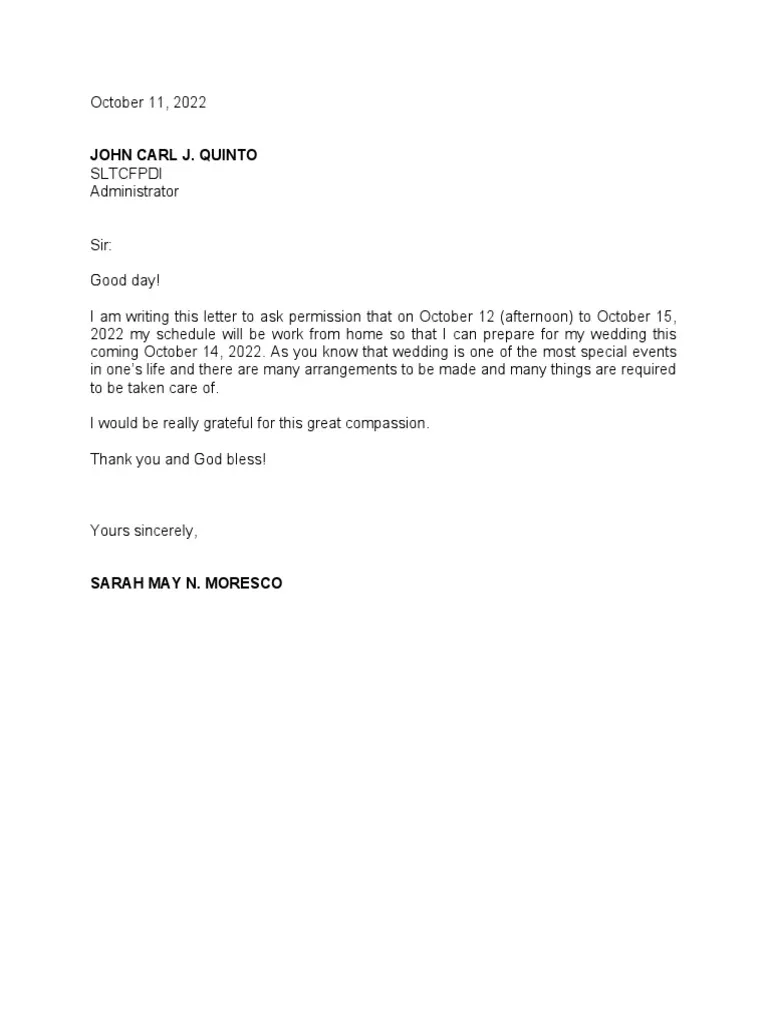
Understanding the Work From Home Cover Letter
A work from home (WFH) cover letter is a crucial document that accompanies your resume when applying for remote job positions. It serves as your introduction to the hiring manager, giving you an opportunity to showcase your relevant skills, experience, and enthusiasm for the role. Unlike a standard cover letter, a WFH cover letter should also emphasize your ability to thrive in a remote work environment. This involves highlighting your self-discipline, communication skills, technical proficiency, and understanding of remote collaboration tools. Think of it as your chance to demonstrate that you are not only qualified for the job but also capable of succeeding in a virtual setting. The primary goal is to grab the hiring manager’s attention, convince them of your suitability for the position and secure an interview.
Why is a WFH Cover Letter Important?
In the competitive landscape of remote work, a well-crafted cover letter can be the differentiator that sets you apart. It allows you to personalize your application and demonstrate your genuine interest in the specific company and role. With a tailored cover letter, you can explain why you’re a perfect fit, going beyond what is simply listed on your resume. This includes addressing any potential concerns about remote work and presenting yourself as a reliable, self-motivated individual. Furthermore, a WFH cover letter highlights your ability to manage your time effectively, communicate professionally, and collaborate seamlessly with virtual teams. It’s an opportunity to express your understanding of the challenges and rewards of remote work, showing that you are prepared and eager to contribute to the company’s success from a distance.
Key Elements of a Winning Cover Letter

A strong WFH cover letter is a carefully constructed document with several key components. These elements work together to convey your qualifications and suitability for the role. They demonstrate your communication skills, personality and professionalism. The best cover letters are clear, concise, and tailored to each specific job application. By paying close attention to these elements, you increase your chances of impressing the hiring manager and securing an interview.
Contact Information and Formatting
Start your cover letter with your contact information at the top left or right, including your name, phone number, email address, and (optionally) your LinkedIn profile URL. Ensure your formatting is professional with a clean, readable font like Arial or Times New Roman, using a font size between 10 and 12 points. Keep margins at 1 inch on all sides and use single spacing within paragraphs and a blank line between paragraphs. This structure allows the hiring manager to focus on the content, making it easy to digest your qualifications and experience at a glance.
How to Address the Hiring Manager
Address the hiring manager by name whenever possible. Research the company to find out who the hiring manager is; often, this information can be found on the company’s website, on LinkedIn, or within the job posting. If you cannot find a specific name, use a professional greeting such as “Dear Hiring Manager” or “Dear [Department Name] Team.” Avoid generic greetings like “To Whom It May Concern,” as they make your letter appear less personalized. Addressing the hiring manager directly shows you have done your research and are genuinely interested in the role.
Highlighting Your Skills and Experience

Identify the key skills and experiences the job description is seeking and highlight them in your cover letter. Tailor your letter to match the requirements of the job. Use specific examples from your previous roles to show how you have successfully utilized these skills and what you achieved. Quantify your accomplishments whenever possible; for example, instead of saying “Managed social media accounts,” state “Increased social media engagement by 30% in six months.” This approach proves your capabilities and provides concrete evidence of your ability to perform the job.
Emphasizing Remote Work Abilities
This is where the WFH cover letter shines. Clearly state your ability to work remotely and excel in a virtual environment. Mention your experience with self-discipline, time management, and effective communication. Showcase your understanding of remote collaboration tools, such as Slack, Zoom, and project management software. Demonstrate your capacity to work independently and as part of a virtual team. You can also mention how you have adapted to working remotely, including setting up a dedicated workspace and maintaining a strong work-life balance.
Showcasing Relevant Experience
Focus on the experiences most relevant to the job. Describe how your previous roles have prepared you for this position. Detail your responsibilities, highlighting the tasks that match the job description. Use action verbs to illustrate your accomplishments (e.g., “Managed,” “Developed,” “Implemented”). Provide specific examples of projects you worked on, challenges you overcame, and results you achieved. Tailor your experience descriptions to the specific requirements mentioned in the job posting, making it easy for the hiring manager to see how your background aligns with their needs.
Tailoring Your Cover Letter to the Job

Each cover letter you submit should be customized to the specific job you are applying for. This shows the hiring manager that you have taken the time to understand the company and the role. Customize it by using keywords from the job description and directly addressing the specific requirements and qualifications listed. This demonstrates a genuine interest in the position and shows that you have carefully considered what the employer is looking for. Generic cover letters are easily spotted and often discarded, so tailoring is important.
Researching the Company and Role
Before writing your cover letter, research the company. Visit their website, read about their mission, values, and recent projects. Understanding the company’s culture, goals, and market position allows you to tailor your cover letter to resonate with the hiring manager. Learn as much as possible about the specific role. Review the job description carefully to identify the required skills, responsibilities, and expectations. Use this information to highlight your relevant skills and experiences, demonstrating how you can contribute to the company’s success in this role.
Using Keywords Effectively
Carefully review the job description for keywords. Incorporate these keywords naturally throughout your cover letter. Keywords are phrases or terms the company uses to describe the skills, experience, and qualifications they are seeking. Using the keywords in your cover letter helps the applicant tracking systems (ATS) and hiring managers quickly identify that you are a good fit for the job. Avoid keyword stuffing by ensuring the use of keywords flows naturally within your writing, and your letter remains readable and engaging.
Structuring Your Cover Letter for Impact

The way you structure your cover letter is important, it significantly impacts its effectiveness. A well-structured cover letter is easy to read and helps the hiring manager quickly understand your qualifications and your enthusiasm for the role. It demonstrates your ability to organize information and communicate clearly. Every section should contribute towards convincing the reader that you are the best person for the job. Proper structure ensures you make a great first impression and increases your chances of getting an interview.
The Opening Paragraph Grabbing Attention
Start your cover letter with a compelling opening that immediately grabs the hiring manager’s attention. Mention the specific job you are applying for and where you found the posting. Briefly state your enthusiasm for the role and the company. You can open with a brief statement about why you are interested in the company or the role and use your opening to establish your connection to the job. Immediately highlighting your interest demonstrates your proactive nature, and the hiring manager knows why you are writing. Make sure the first paragraph immediately conveys your enthusiasm and suitability.
The Body Paragraphs Detailing Achievements
The body paragraphs are the core of your cover letter, where you detail your relevant skills, experiences, and achievements. Use these paragraphs to show how your background aligns with the job requirements. Back up your claims with specific examples, quantifiable achievements, and results. In each paragraph, focus on a different aspect of your qualifications. You should address the key skills and experiences the job description is seeking. Provide specific examples of how you have used these skills in the past, showcasing your contributions and successes.
The Closing Paragraph Call to Action

Your closing paragraph should reinforce your interest in the role and the company. Summarize your key qualifications and reiterate your enthusiasm. End with a strong call to action, such as requesting an interview or expressing your eagerness to discuss your qualifications further. Thank the hiring manager for their time and consideration. A well-written closing reinforces your interest and motivates the hiring manager to take the next step, which will increase your chances of receiving a call back.
Formatting Tips Readability and Appeal
The formatting of your WFH cover letter significantly affects its readability and visual appeal. A well-formatted cover letter is easier for the hiring manager to read and comprehend. Adhere to these formatting tips to ensure your cover letter is polished and professional, thus increasing your chances of making a great first impression. Simple design choices can show that you care about detail and professionalism.
Proofreading and Editing Ensuring Perfection
Before submitting your cover letter, proofread it carefully. Check for any errors in grammar, spelling, punctuation, and word choice. Ensure the language is clear, concise, and professional. Have a friend, mentor, or career counselor review your cover letter for feedback. Fresh eyes can often spot errors that you may have missed. A well-edited cover letter demonstrates your attention to detail, enhances your credibility, and presents you as a professional candidate.
Common Mistakes to Avoid
Avoid these common mistakes when writing your work-from-home cover letter. These mistakes can negatively impact your application. A cover letter filled with errors or a poor approach will likely lead to rejection. Being aware of these pitfalls will help you create a cover letter that will help you stand out.
Generic Cover Letters
Avoid using a generic cover letter that you send to multiple employers. Generic cover letters often lack the personalization required to demonstrate your interest in a specific company and role. They fail to highlight how your skills and experience align with the job description. Tailor each cover letter to the specific requirements and needs of each job and company. A customized cover letter showcases your genuine interest and increases your chances of making a strong impression.
Ignoring the Job Description
Do not ignore the job description. The job description contains the key skills, qualifications, and requirements the employer is seeking. Your cover letter should directly address these requirements. Failing to highlight your relevant experience and skills in relation to the job description indicates a lack of attention to detail and may suggest that you are not a good fit for the role. Ensure that your cover letter clearly demonstrates that you possess the skills and experience the employer is looking for, using the language from the job description.
Typos and Grammatical Errors
Typos and grammatical errors can severely damage your credibility. Errors in your cover letter indicate a lack of attention to detail and can make you appear unprofessional. Before submitting your cover letter, carefully proofread it for any spelling, punctuation, and grammatical errors. Ask a friend, colleague, or career advisor to review your cover letter for additional feedback. A well-proofread cover letter demonstrates that you are a careful and detail-oriented professional.
The Power of a Strong Portfolio
A portfolio is an excellent way to showcase your skills and experience. It allows you to provide tangible evidence of your abilities and gives the hiring manager a better sense of your work. A portfolio can significantly boost your job application. If you have a portfolio, mention it in your cover letter. Include a link to your online portfolio or attach a digital copy of your portfolio with your application. When possible, tailor the portfolio to highlight your best work related to the job description and showcase your relevant skills.
Including Samples of Your Work
When applicable, include samples of your work in your portfolio or cover letter. Work samples can be especially valuable in fields like writing, design, and programming, where you can directly demonstrate your skills and abilities. Provide examples of your work, highlighting the results you achieved. You may choose to include links to your work, attach documents or provide screenshots. Including samples provides the hiring manager with concrete proof of your capabilities and adds significant weight to your application.
Showcasing Your Remote Work Setup
Demonstrating your ability to thrive in a remote work environment is key for WFH jobs. Briefly describe your remote work setup in your cover letter. Mention your dedicated workspace, your internet connection, and the tools you have in place to stay productive. Mention any experience you have with specific remote work technologies or systems. Showing that you have a reliable and professional setup helps to ease any concerns the employer might have about your ability to work remotely. It demonstrates your readiness to start the job immediately and contribute to the company.
Essential Technical Skills
Highlight your technical skills that are relevant to the job. The specific technical skills needed will vary depending on the role. Review the job description to identify the required software, platforms, and tools. Include your experience with communication and collaboration tools, project management software, and any other relevant technologies. Highlighting your technical proficiency indicates you can perform the job effectively, increasing your value as a candidate.
Communication and Collaboration Tools
Remote work relies heavily on effective communication and collaboration. Mention your experience with tools like Slack, Microsoft Teams, Zoom, and Google Workspace. Demonstrate your ability to communicate clearly and professionally in written and verbal formats. Highlight any experience using project management tools such as Asana, Trello, or Monday.com. Showing proficiency in these tools proves that you can seamlessly integrate into a remote team and contribute to projects.
Time Management and Productivity
Remote work demands excellent time management and productivity skills. Emphasize your ability to manage your time effectively and stay organized. Showcase your experience with time management techniques and tools, such as the Pomodoro Technique or productivity apps. Mention your ability to meet deadlines, prioritize tasks, and stay focused on your work. Demonstrate your skills in self-motivation and self-discipline. Highlight any achievements that showcase your productivity, such as completing projects ahead of schedule or exceeding performance targets.
Reviewing and Refining Your Cover Letter
Creating a winning cover letter is a process, so always review and refine your cover letter before submitting it. Seek feedback from others and update your letter for each application. By taking the time to refine your cover letter, you increase your chances of making a great first impression and securing the job.
Getting Feedback from Others
Ask friends, mentors, or career counselors to review your cover letter. Getting feedback helps to identify any areas for improvement. They can offer a fresh perspective on your cover letter and provide useful suggestions. Have them assess your cover letter’s clarity, grammar, and overall effectiveness. They can also help you ensure that your cover letter is tailored to the specific job requirements and accurately represents your skills. Incorporating feedback will help you refine your cover letter and increase your chances of success.
Updating Your Cover Letter for Each Application
Customize your cover letter for each job you apply for. Make sure your cover letter addresses the specific requirements and keywords found in the job description. This increases your chances of catching the hiring manager’s attention. Tailoring your cover letter shows that you’ve taken the time to understand the role and the company. Ensure that your cover letter highlights the most relevant skills and experiences for each position, making it clear that you are the right fit.
The Final Checklist Before Sending
Before submitting your work from home cover letter, conduct a final review. This helps to ensure that it is polished, professional, and ready to impress the hiring manager. Use this checklist to make sure you have addressed all the key elements and avoid any common mistakes. This checklist is your final step to submit a cover letter that increases your chances of landing the job.
Where to Find Work From Home Jobs
There are numerous online platforms and resources dedicated to helping you find work from home jobs. Popular job boards like Indeed, LinkedIn, and FlexJobs are excellent starting points, offering a wide range of remote positions across various industries. Websites specializing in remote work, such as Remote.co and We Work Remotely, often feature curated lists of remote job openings. Consider niche job boards that focus on specific fields, such as freelance writing or web development, for targeted opportunities. Networking and reaching out to contacts are also very valuable. By using these resources and networking with others, you can increase your chances of finding the right remote job for you.